Overview of the Conference and Its Achievements
The sixth session of the conference aimed at establishing a Middle East zone free of nuclear weapons and other weapons of mass destruction convened from November 28 to December 2, 2022, in New York City. This pivotal gathering brought together representatives from member states and international organizations to deliberate on the critical issue of disarmament in the region. Through constructive dialogue and negotiations, the conference served as a platform for participating nations to express their concerns, share experiences, and outline their visions for a nuclear-free Middle East.
One of the notable achievements of this conference was the reaffirmation of the commitment among participating nations to pursue disarmament initiatives actively. The discussions highlighted a collective recognition of the urgent need to address the proliferation issues that threaten regional stability. The outcomes of this session included the establishment of a roadmap for future conferences aimed at reinforcing collaborative efforts in preventing the spread of nuclear weapons. This proactive approach signifies a shift towards a more unified stance on disarmament in the Middle East.
The significance of these achievements extends beyond the conference room, contributing to global disarmament efforts as well. As the Middle East grapples with various security challenges, the commitment to establishing a nuclear-free zone can enhance regional security and foster greater trust among nations. Furthermore, this conference highlighted the interconnectedness of disarmament; the successes achieved in the Middle East resonate with broader global initiatives aimed at nuclear non-proliferation.
On a larger scale, the collaborative work during this session has fostered a sense of progress and unity among participating states. The resolve to work together toward a common goal underscores the importance of international cooperation in achieving disarmament. Ultimately, this conference marked a significant step forward in the long-standing pursuit of peace and security in the Middle East, delineating a hopeful path towards a nuclear-free future.
The Importance of a Nuclear-Free Middle East
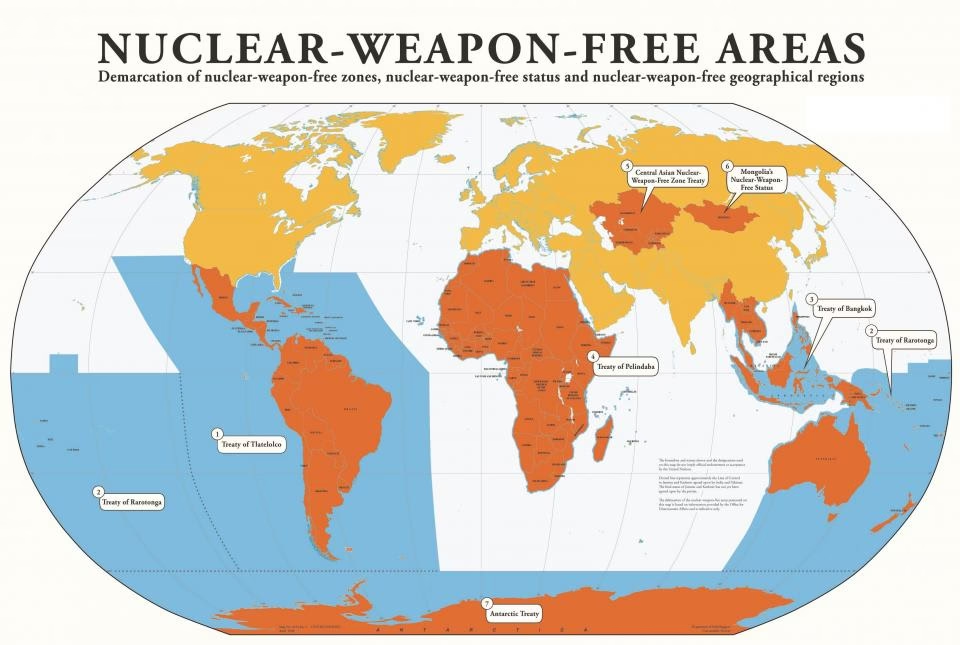
The concept of a nuclear-free Middle East holds significant implications for both regional and global security. The presence of nuclear weapons exacerbates tensions between nations and poses a persistent threat to peace. By establishing a nuclear-free zone, the participating countries can reduce fears of nuclear proliferation and enhance regional stability. This initiative aligns with broader non-proliferation efforts that aim to curb the spread of nuclear arms and promote disarmament globally.
A nuclear-free Middle East can serve as a catalyst for enhanced diplomatic relations among states. Countries historically at odds may find common ground through collaborative security frameworks. These frameworks can further facilitate dialogue on issues such as terrorism, resource management, and territorial disputes, ultimately leading to a more stable and cooperative regional environment. Moreover, addressing nuclear disarmament can pave the way for confidence-building measures that encourage transparency and build trust among nations.
However, the journey towards a nuclear-free Middle East is fraught with challenges. Geopolitical rivalries, historical grievances, and differing national interests complicate disarmament efforts. For instance, states may hesitate to relinquish their nuclear capabilities due to concerns over national security or fear of external aggression. Additionally, the influence of non-state actors further complicates the security landscape, as these groups often operate outside traditional constraints.
Nevertheless, the potential benefits of a nuclear-free Middle East far outweigh the challenges. A commitment to disarmament can lead to better resource allocation, as funds currently directed towards nuclear arsenals can be redirected toward social and economic development. Furthermore, global perception of the Middle East can shift positively, fostering international partnerships and cooperation in various sectors. Thus, the pursuit of a nuclear-free zone not only serves immediate security interests but also promotes long-term regional and global peace.
Leadership and Future Directions
Leadership plays a crucial role in steering the initiatives aimed at establishing a nuclear-free Middle East. President Omar Hilale’s tenure has been marked by an inclusive, consensus-driven approach that has fostered a collaborative atmosphere among the diverse member states. His commitment to dialogue and diplomacy has garnered commendations from various stakeholders, reinforcing the belief that robust leadership is integral for success in such complex negotiations. During his leadership, significant strides have been made, with collaborative efforts paving the way for constructive discussions.
As leadership transitions to Omar Al-Kathiri, expectations are high for continued progress. Al-Kathiri, known for his diplomatic acumen and deep understanding of regional dynamics, is poised to guide the upcoming seventh session of the conference. His leadership is anticipated to bring fresh perspectives while maintaining the essential framework established under Hilale. Member states look forward to his strategic focus on enhancing regional cooperation and building consensus on critical issues regarding nuclear disarmament.
Moving forward, it is essential that the momentum generated under previous leadership is sustained. The importance of diplomatic efforts cannot be overstated, as member states must work diligently to overcome historical grievances and establish trust. It is expected that under Al-Kathiri’s stewardship, the conference will continue to prioritize the establishment of a nuclear-free zone in the Middle East, setting clear objectives and actionable targets. Sustained collaboration among member states is key to realizing this vision, with focused dialogue, transparency, and a shared commitment to disarmament being pivotal for the success of future sessions.
In conclusion, as the conference progresses under new leadership, the dedication to diplomacy and the commitment to a nuclear-free Middle East remain paramount. The collective efforts of member states, guided by strong leadership, are essential to achieving the shared goal of peace and security in the region.
UN’s Commitment and Role Moving Forward
The United Nations remains resolutely committed to fostering a nuclear-free Middle East, recognizing the multifaceted challenges and geopolitical intricacies involved. Secretary-General António Guterres has underscored the importance of dialogue and cooperation among member states to address the pressing issues surrounding regional security and nuclear disarmament. His leadership aims to provide a constructive platform for negotiations, bridging the gaps that may exist between various stakeholders.
To this end, the UN plans to enhance its support by implementing a series of strategies designed to facilitate engagement with member states, civil society, and international organizations. One of the core strategies involves organizing high-level meetings that bring together key players, allowing for open dialogue on the pathways to disarmament. By fostering an environment where collaborative discussions can take place, the UN seeks to build trust among countries and encourage commitments to non-proliferation efforts.
In addition to high-level conferences, the United Nations intends to develop educational programs aimed at raising awareness about the importance of a nuclear-free Middle East. By engaging educational institutions and communities, the UN hopes to cultivate a better understanding of the repercussions of nuclear weapons and the benefits of disarmament. Such grassroots initiatives are crucial for inspiring future generations to advocate for peace and security.
The UN’s continued commitment to a nuclear-free Middle East extends beyond mere dialogue; it necessitates tangible actions and sustained efforts. Through logistical support and capacity-building initiatives, the UN aims to empower member states in developing their disarmament agendas. Indeed, the successful implementation of these strategies will be critical to maintaining the momentum generated by past conferences and ensuring that the vision of a nuclear-free Middle East becomes a reality.