


Introduction to the IVECF 2026
The International Vienna Energy and Climate Forum (IVECF) 2026 stands as a pivotal event in the global dialogue surrounding energy and climate change. Scheduled to occur on April 9, 2026, at the historic Hofburg Palace in Vienna, this forum aims to address the pressing challenges and opportunities linked to the energy transition and climate resilience. The significance of IVECF 2026 is underscored by the urgent need for international collaboration in tackling climate-related issues, making it a timely gathering for stakeholders from around the world.
The primary purpose of the IVECF is to foster a platform for dialogue among policymakers, industry leaders, academics, and civil society to exchange knowledge and strategize on innovative solutions related to the global energy landscape. The forum’s objectives revolve around enhancing energy security, promoting sustainable development, and driving climate action in alignment with international agreements, such as the Paris Agreement.
The agenda for IVECF 2026 is robust and multifaceted, featuring keynote speeches from eminent figures in the field, panel discussions on key topics, and workshops aimed at developing concrete initiatives for climate mitigation. Importantly, this forum not only highlights current policies but also anticipates future trends in energy and climate governance. As the world increasingly grapples with the effects of climate change, the timing of the IVECF 2026 promotes crucial conversations that can lead to actionable commitments.
In conclusion, the International Vienna Energy and Climate Forum 2026 serves as an important catalyst in advancing energy and climate agendas globally, aiming to unite efforts and inspire collective action among diverse stakeholders, thus reinforcing the shared commitment to a sustainable future.
The Role of the Global Cleantech Innovation Programme (GCIP)
The Global Cleantech Innovation Programme (GCIP), initiated and operated by the United Nations Industrial Development Organization (UNIDO), serves as a pivotal catalyst for innovation in clean technology. With substantial backing from global partners such as the Global Environment Facility and the Green Climate Fund, GCIP exemplifies collaborative efforts to address pressing climate challenges through inventive solutions. This programme aims to support entrepreneurs and businesses in developing sustainable technologies that align with the overarching objective of achieving a just energy transition.
GCIP’s mandate primarily focuses on fostering clean technology innovations that can lead to significant advancements in energy efficiency, renewable energy sources, and sustainable resource management. By offering crucial support in the form of mentorship, training, and funding opportunities, GCIP enables innovative startups to scale their technologies and contributes to the broader goal of sustainable development. Particularly in regions where access to clean energy remains limited, the programme underlines the importance of inclusive technological advancements that not only benefit the environment but also empower local communities economically.
Moreover, the GCIP plays a critical role in bridging the gap between research and commercialization. By facilitating collaborations among academia, industry stakeholders, and private investors, the programme ensures that innovative ideas transform into viable market solutions. This approach significantly enhances the accessibility of cleantech solutions, making them available to a wider audience and promoting their adoption globally. In the context of the International Vienna Energy and Climate Forum (IVECF) 2026, the GCIP’s contributions highlight its essential role in creating sustainable technologies that not only mitigate climate change impacts but also encourage responsible energy consumption on a global scale.
Honorary Guests and Their Contributions
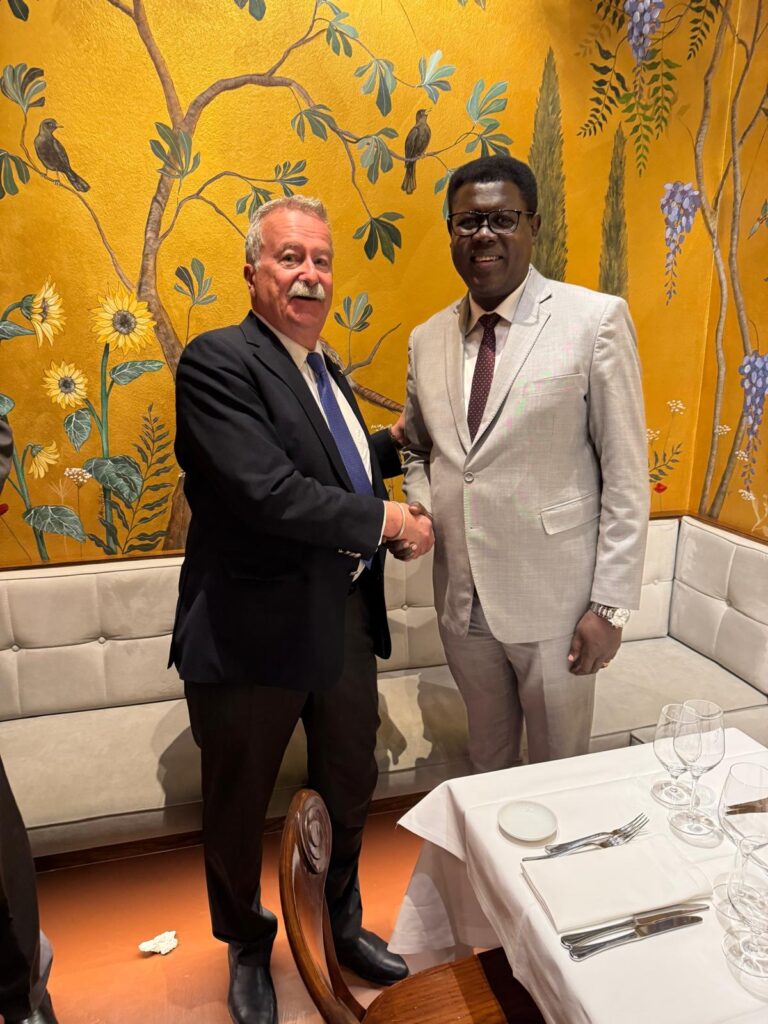
The International Vienna Energy and Climate Forum (IVECF) 2026 witnesses the attendance of several prominent honorary guests whose participation plays a significant role in the advancement of global energy and climate discussions. Among the distinguished attendees is His Excellency Minister Mr. Monday Semaya K. Kumba in his first visit to Austria upon invitation of Austrian foreign Ministry, who makes a noteworthy appearance as the newly appointed foreign minister of South Sudan during his inaugural visit to Austria., his Excellency Ambassdor Gum Dominic Matiok of South Sudan to Germany, His presence marks a pivotal moment not only for South Sudan but for broader international dialogues on energy sustainability and climate resilience.
Ambassador Kumba’s engagement is particularly significant, as South Sudan continues to navigate challenges associated with energy access and environmental sustainability. His involvement in the IVECF 2026 highlights South Sudan’s commitment to participating in international efforts aimed at combating climate change and fostering sustainable development. As he shares insights derived from his unique national context, attendees can expect enriching discussions, particularly on energy policies that harmonize growth with ecological preservation.
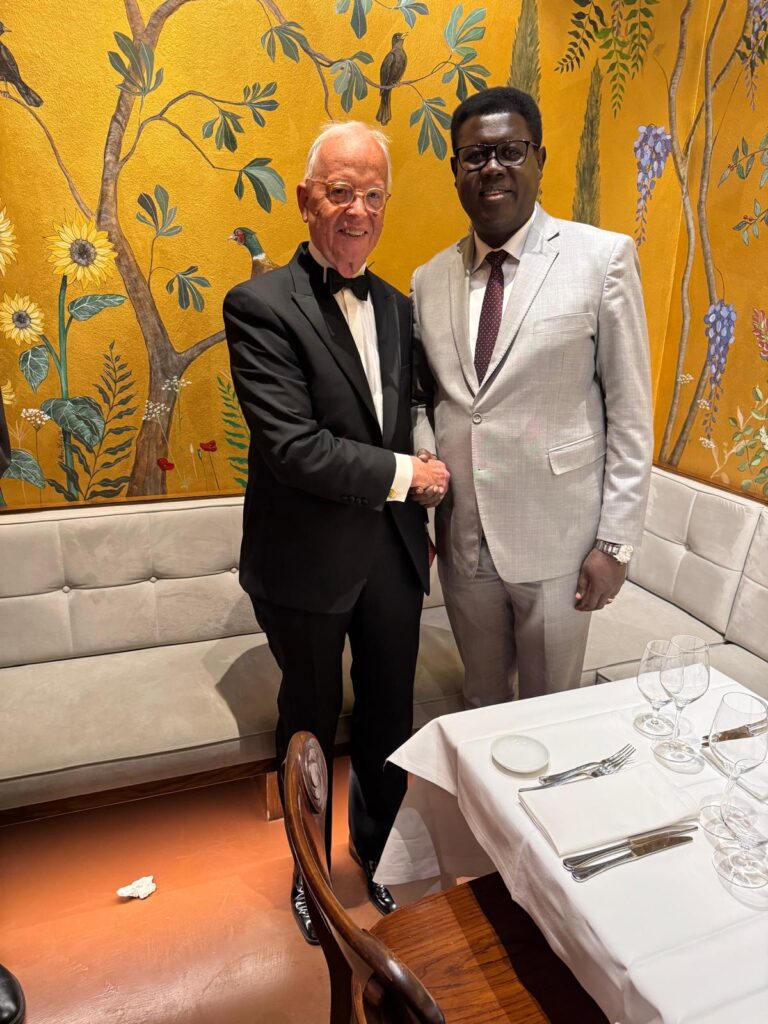
In addition to Ambassador Kumba, other notable guests will contribute valuable perspectives on international climate issues: HE Mr. Fasslabend Ex austrian Defence Minister, Mr.Dr. Wolf Zinnenburg,representing the Austrian South Sudan Association, Ambassdor Mr. Axel Wech, MA, Head of the Department for Citizen Services and Operational Crisis Management Abroad and Leaders from various sectors as the Ambassdor to Iraq, including renewable energy experts and policymakers from developed and developing nations, will join in collaborative dialogues. Their varied experiences are expected to foster an exchange of innovative ideas and strategies that aim to address pressing climate challenges faced globally. The collaborative atmosphere at the IVECF 2026 underscores the importance of synergy in tackling energy-related concerns and fortifying commitments toward a sustainable future.
Strategies for Sustainable Development and International Collaboration
The International Vienna Energy and Climate Forum (IVECF) 2026 has outlined several pivotal strategies aimed at promoting sustainable development and reducing emissions on a global scale. Emphasizing a commitment to fostering international collaboration, the forum serves as a platform for dialogue and action among countries, organizations, and stakeholders grappling with the pressing issues of climate change and energy sustainability.
One of the key strategies discussed at IVECF 2026 is the enhancement of South-South and triangular cooperation. These initiatives are designed to facilitate the sharing of knowledge, technology, and resources among developing countries. By promoting partnerships that leverage mutual strengths, these collaborative efforts aim to address regional challenges in energy access and climate resilience, making strides toward a more sustainable future while ensuring that development is inclusive and equitable.
Moreover, the forum underscores the importance of promoting cleantech innovation as a cornerstone of industrial development. Advancements in clean technology not only contribute to emission reductions but also create new economic opportunities. The initiative encourages participants to invest in research and development that leads to sustainable industrial practices. This proactive approach is pivotal in transitioning economies from traditional energy sources to cleaner, renewable options, ultimately shaping a greener industrial landscape.
In addition, IVECF 2026 highlights the significance of policy frameworks that support sustainable practices at both national and international levels. Such frameworks are essential for aligning investments with sustainability goals, thereby creating an environment conducive to innovation and improvement. Strong international collaboration that incorporates diverse perspectives and experiences can facilitate the implementation of effective policies, ensuring that all parties benefit from the transition towards sustainable development.