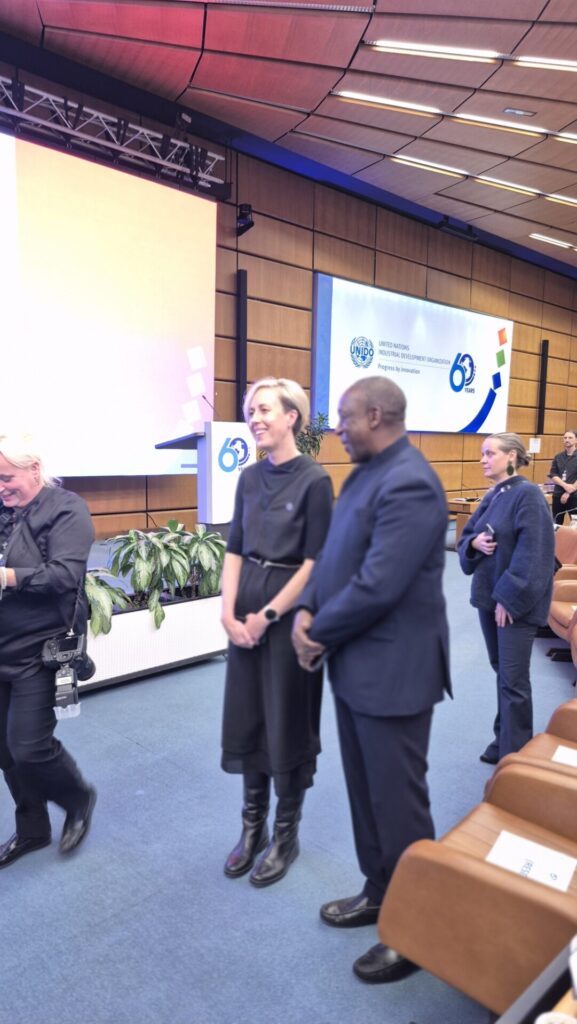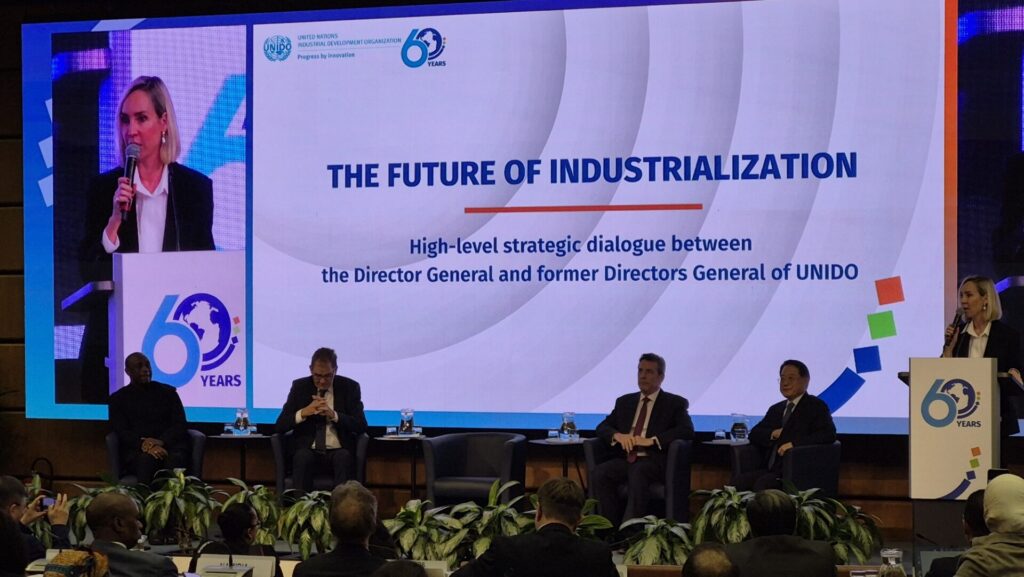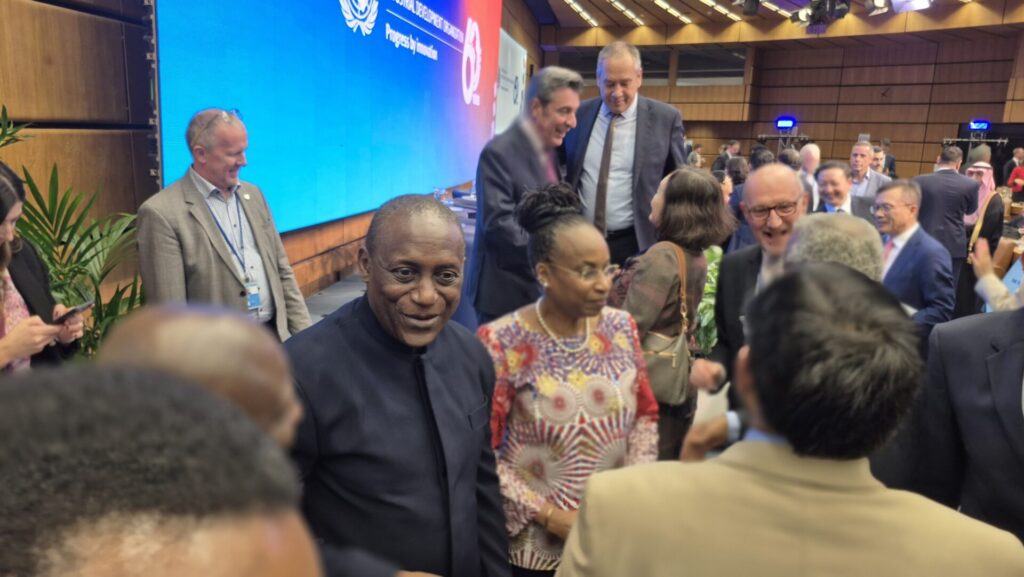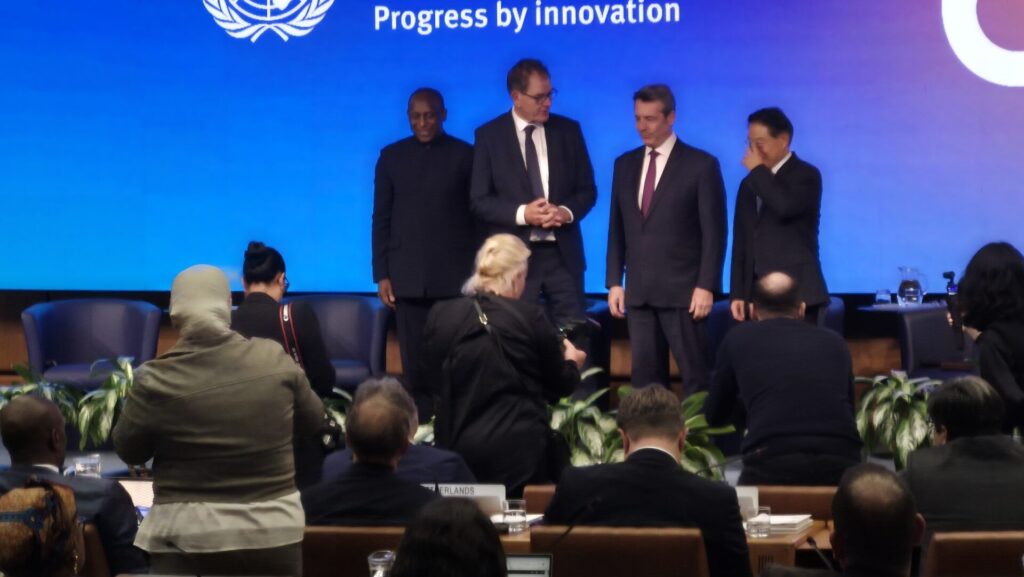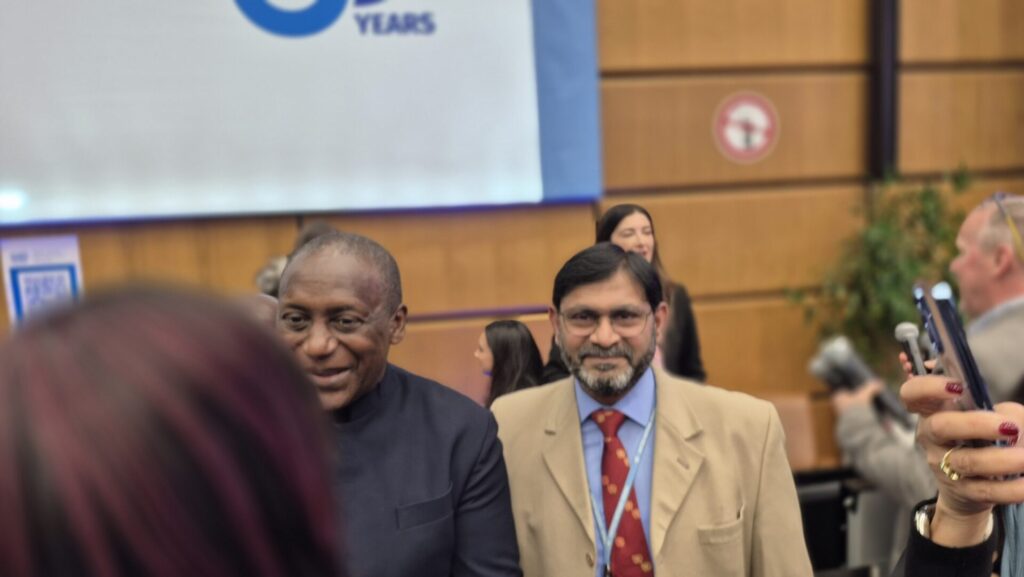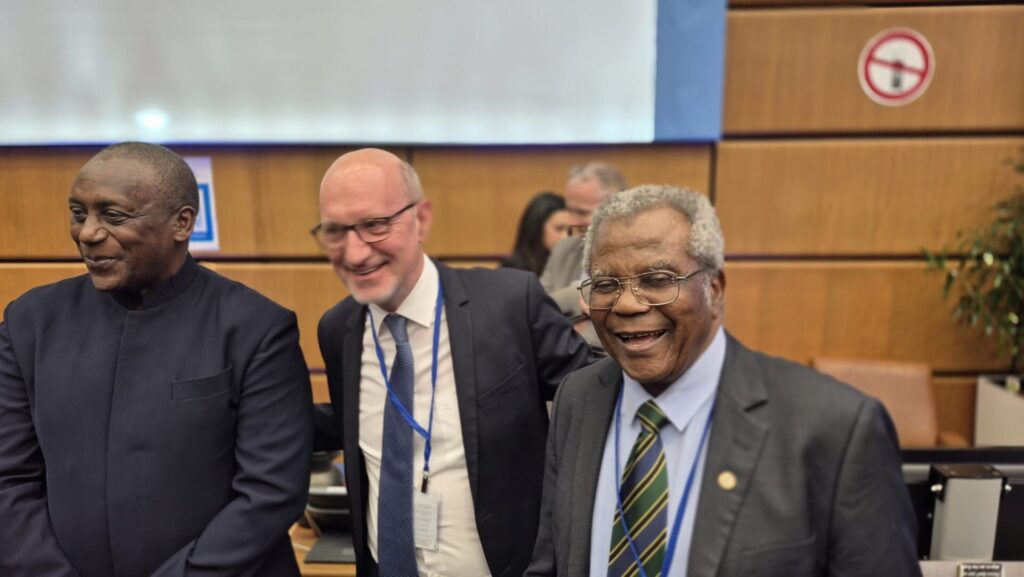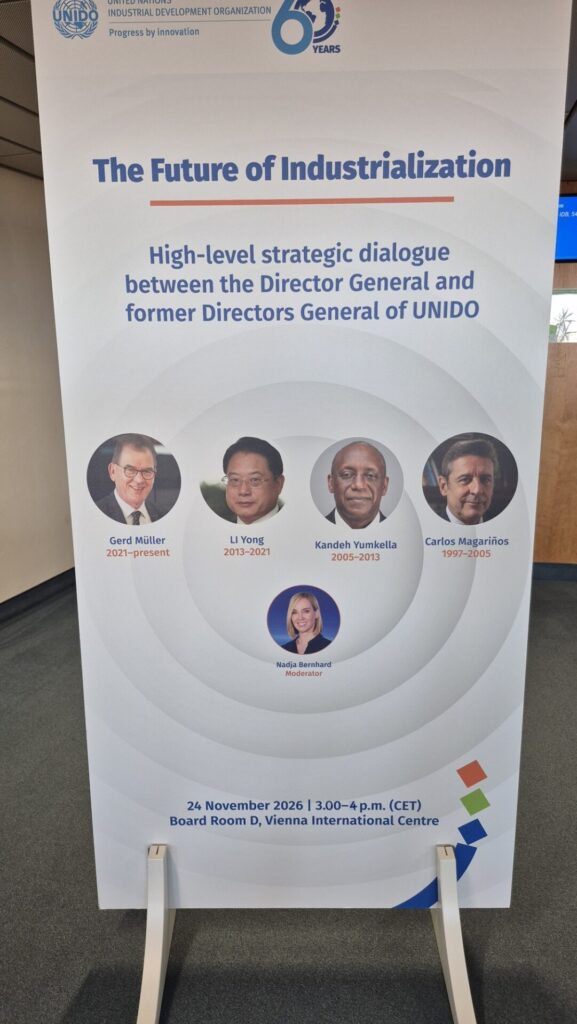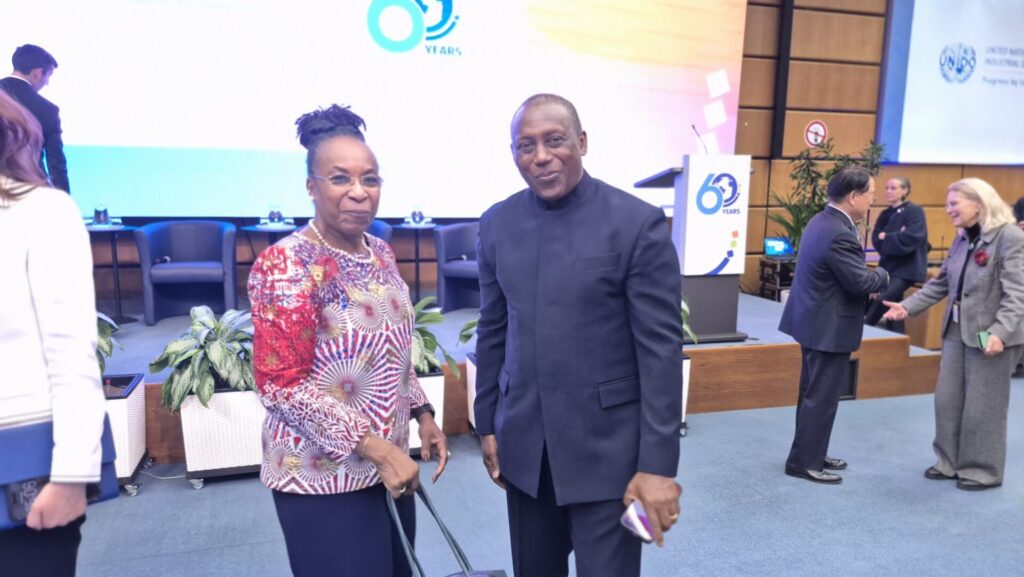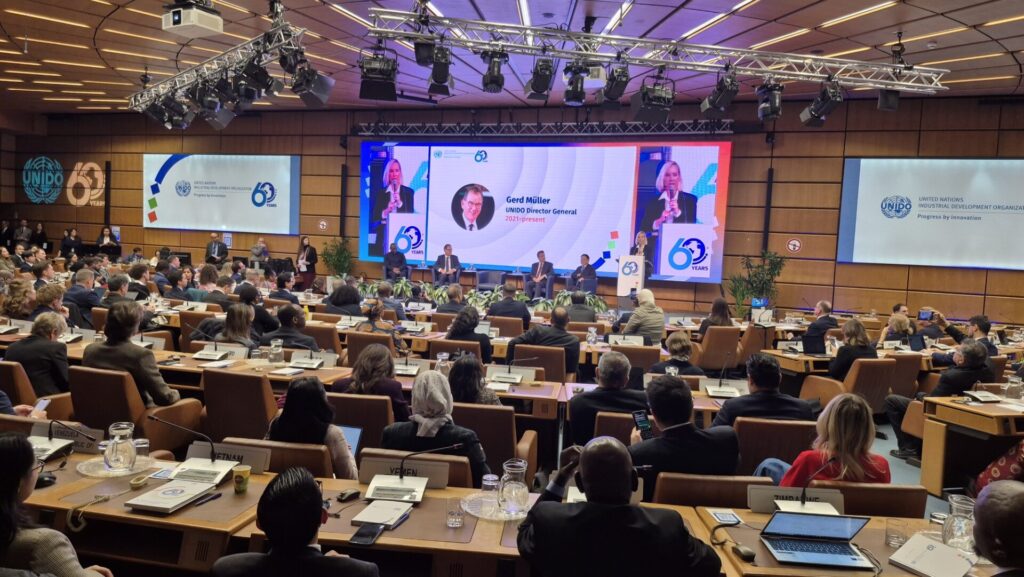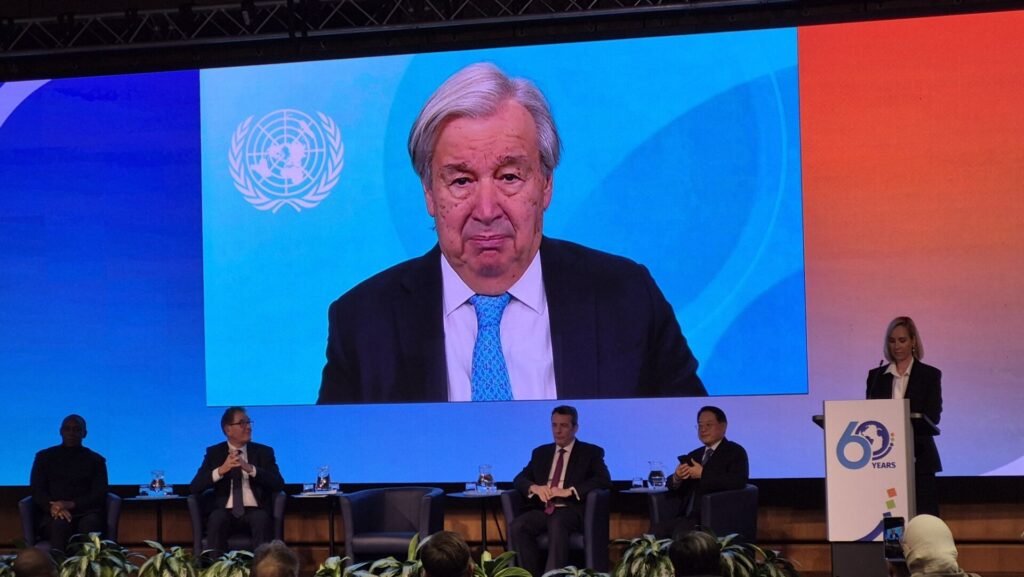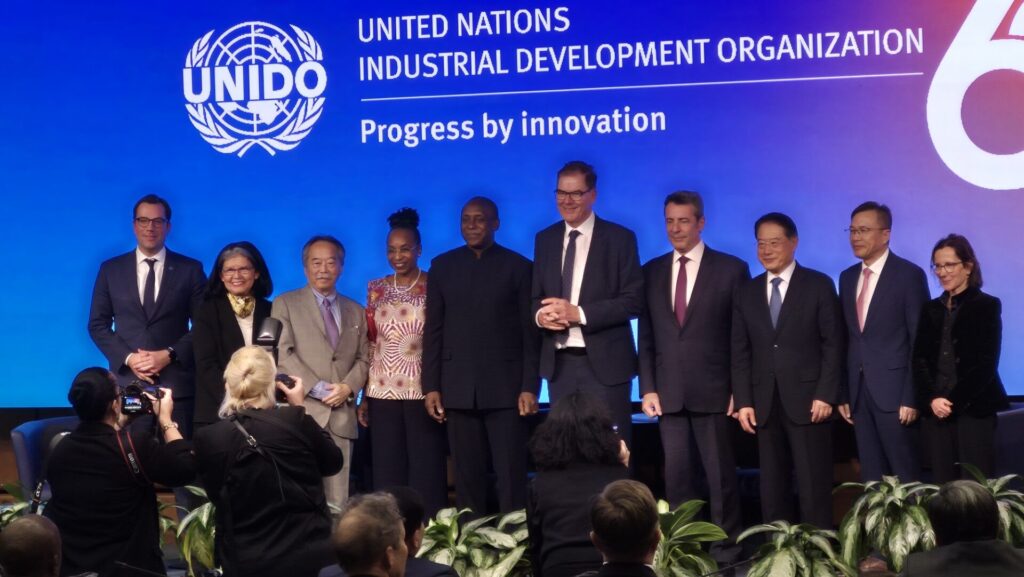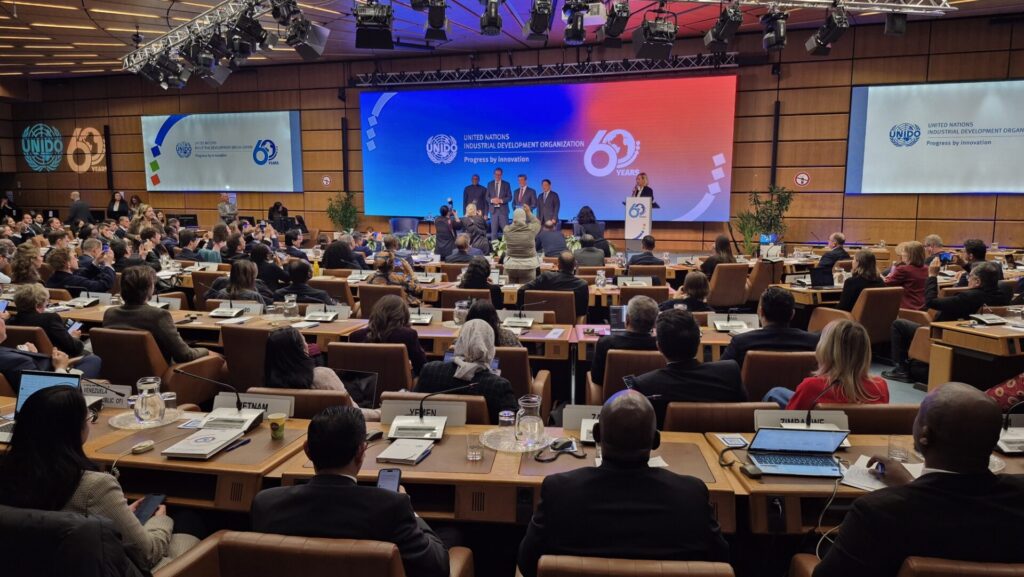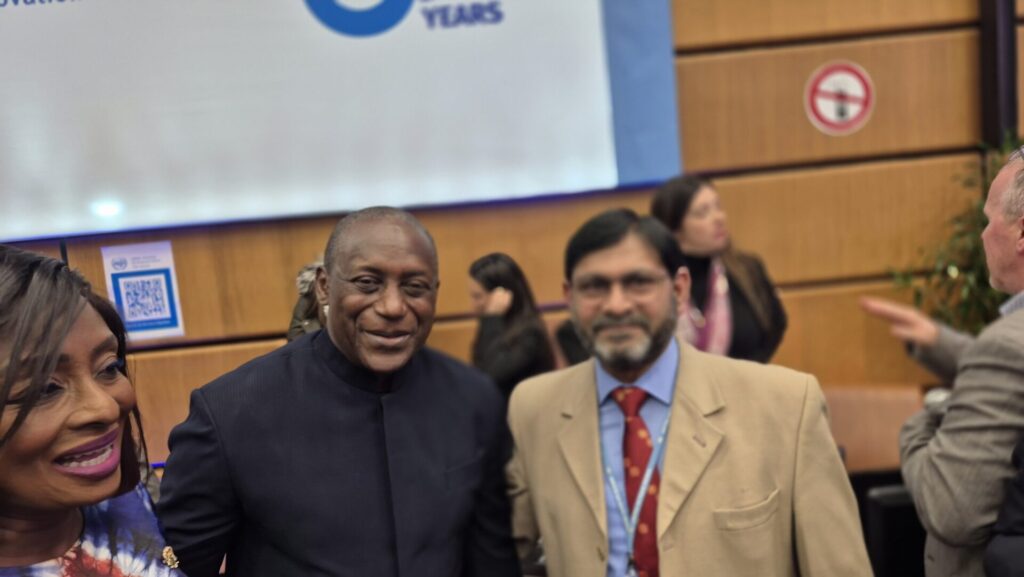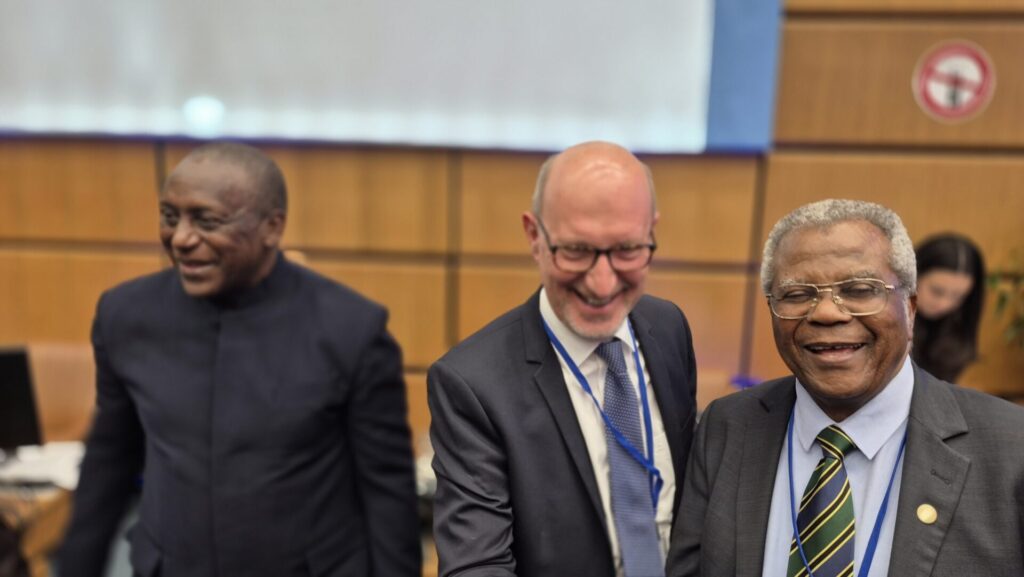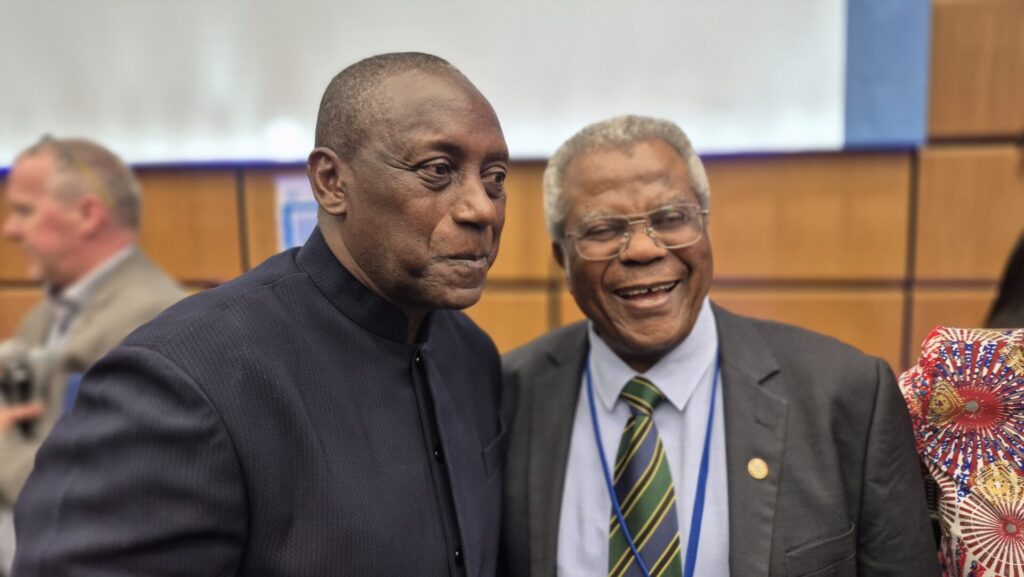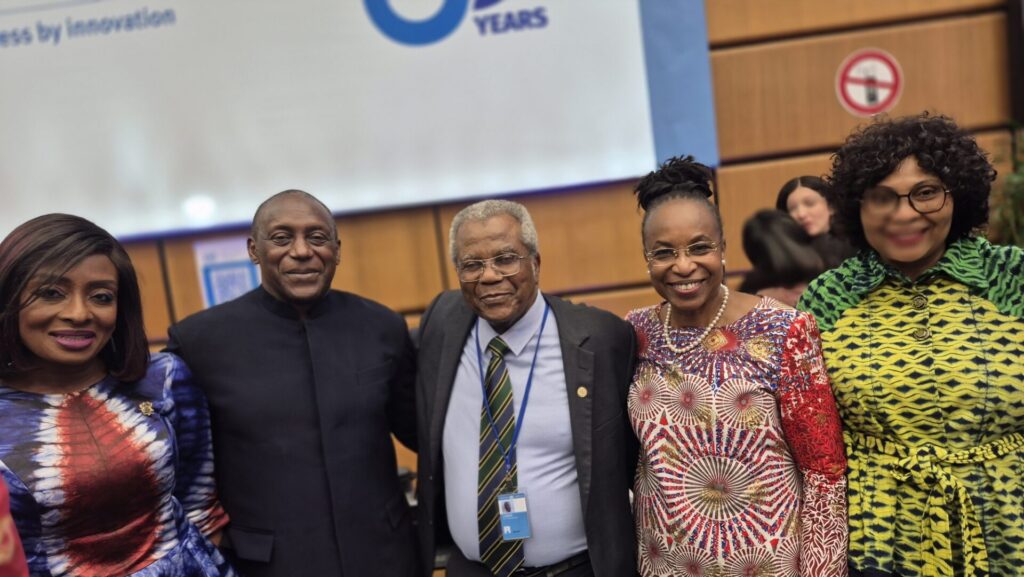


On November 24, 2026, the United Nations Industrial Development Organization (UNIDO) marked the 60th anniversary of its establishment with a high-level strategic dialogue titled “The Future of Industrialization.” The date and title define the essential details of the event: it brought the organization’s six-decade milestone into focus through a discussion centered on industrialization’s future.
The anniversary provides the occasion for considering UNIDO’s role and the continuing significance of industrial development. The dialogue’s title signals a forward-looking subject, while its designation as a high-level strategic dialogue places the event within a broad, policy-oriented conversation. No further details about its venue, speakers, attendance, or program are included here.
Industrialization remains an important subject for governments and international organizations because it is closely connected to economic transformation and development. In this context, a discussion of its future offers a way to examine how industrial development may be understood in the years ahead. The event’s stated focus is the future of industrialization, rather than a specific sector, country, or policy initiative.
UNIDO’s 60th anniversary marks six decades since the organization’s founding. The milestone and the dialogue are linked directly: the anniversary provides the institutional context, and the conversation’s title identifies its central theme. Together, they frame the occasion as an opportunity to look ahead while recognizing the organization’s history.
In brief, the key facts are straightforward. UNIDO’s 60th anniversary was marked on November 24, 2026, through a high-level strategic dialogue called “The Future of Industrialization.” These details establish the event’s date, purpose, and subject without implying information beyond what has been provided. They also capture the connection between an institutional milestone and a wider reflection on how industrialization may evolve. The dialogue’s focus invites attention to future directions, while the anniversary places that discussion alongside six decades of UNIDO’s history. No additional claims about participants or proceedings are necessary to describe the event at a glance.
The dialogue was convened in the context of UNIDO’s 60th anniversary, linking a milestone in the organization’s history with a forward-looking discussion about industrialization. Anniversaries provide institutions with a reason to take stock: they invite consideration of how mandates have developed, how priorities have changed, and how work has responded to economic and technological shifts. In this case, the anniversary offers a frame for examining UNIDO’s place in international efforts to support industrial development, while keeping attention on questions that will shape the years ahead. The event’s stated purpose, therefore, is not only retrospective; it also creates space to discuss the direction of industrialization.
UNIDO’s history is closely associated with the international community’s recognition that industrial capacity can influence employment, productivity, resilience, and broader development. Reflecting on that role at a 60-year milestone can help place present debates in a longer institutional perspective, without assuming that past approaches remain sufficient for current conditions. Industrial development has been affected by changes in markets, production systems, technology, and global cooperation. A strategic dialogue offers participants an opportunity to consider how these developments alter the context in which industrial policy and cooperation are discussed. The anniversary thus serves as a point of reference for looking at continuity and change, rather than as a claim that one model or outcome is settled.
Attention to the future is central to the event’s framing: industrialization remains an evolving subject, and discussion can help identify questions for continued attention. The dialogue’s convening alone should not be treated as evidence of particular recommendations or agreed results. Its significance lies in bringing the anniversary and the future-facing topic together. The occasion allows reflection on UNIDO’s experience while leaving specific priorities open to discussion.
Industrialization is entering a period of significant change. Economic pressures, emerging technologies, shifting trade relationships, and environmental constraints are reshaping how countries produce goods and create jobs. Against this backdrop, the theme of a dialogue marking UNIDO’s 60th anniversary points to a broad question: what forms of industrial development will be viable, inclusive, and resilient in the decades ahead? The answer is unlikely to be the same for every country. National capabilities, infrastructure, skills, access to finance, and participation in global markets all influence the paths available to industries and policymakers.
An overview of this subject could consider how manufacturers and industrial systems might adapt to changing conditions. Relevant questions include how digital tools and automation may affect productivity and employment; how businesses can reduce emissions and use energy and materials more efficiently; and how supply chains can respond to disruptions without excluding smaller firms or less industrialized economies. It could also examine what kinds of investment, workforce development, and international cooperation help translate technological advances into broad-based economic opportunity. These are useful lines of inquiry for understanding the future of industrialization, rather than claims about the specific content of any particular session.
The dialogue’s title establishes a forward-looking frame, but it does not, by itself, confirm which issues speakers addressed or what conclusions they reached. Event-specific accounts would be needed to identify the questions raised, the perspectives represented, and any proposals or commitments made. Keeping that distinction clear allows the wider context to be explored without attributing unverified positions to participants. In general, the next era of industrialization will involve choices about the balance between competitiveness, social inclusion, technological change, and environmental responsibility. How those priorities are connected—and how countries can pursue them under differing conditions—provides a meaningful basis for considering the subject signaled by the anniversary dialogue.
UNIDO’s 60-year history provides the wider context for the strategic dialogue held on November 24, 2026. The gathering brought a forward-looking industrialization theme into the organization’s anniversary year, connecting a significant institutional milestone with consideration of what lies ahead. Its timing made the event an occasion to reflect on UNIDO’s place in the changing industrial landscape while keeping attention on the questions and priorities shaping the next era of industrialization. The anniversary is therefore more than a marker of elapsed time: it frames the dialogue as part of a continuing conversation about industrial development and the organization’s role in that work.
The available facts establish the event’s date, its setting within UNIDO’s 60th anniversary year, and its focus on the future of industrialization. Those points indicate why the gathering matters, but they do not by themselves establish who participated, which specific issues were discussed, or what conclusions or commitments may have emerged. Distinguishing this confirmed context from details not yet verified is important when assessing the event’s significance. Readers should avoid treating the anniversary framing or the stated theme as evidence of particular decisions, policy positions, or outcomes unless those are documented in an authoritative record.
For a fuller account, readers can consult UNIDO’s confirmed event records and related official materials. These are the appropriate sources for details about participants, the dialogue’s agenda and discussions, and any recorded outcomes or follow-up. Taken together, the anniversary context and the event’s forward-looking theme make the November gathering a notable point in UNIDO’s 60-year story, while the records can show precisely how that significance was expressed in practice. As the organization marks six decades, the dialogue places questions about future industrialization within a longer institutional perspective without requiring assumptions beyond the available facts. Checking official documentation allows readers to understand both the event’s scope and its place in the anniversary year.