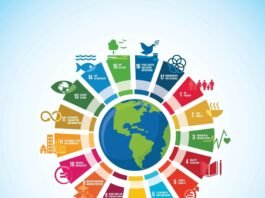

The Current Global Energy Landscape
The global energy landscape is undergoing a significant transformation, driven by urgent calls for environmental sustainability and a commitment to combating climate change. Recent statistics indicate a notable shift from conventional fossil fuels, such as coal and oil, towards renewable energy sources, primarily wind and solar power. This transition is reflected in the increasing share of clean energy in the energy mix, which has now outpaced coal for the first time in several regions. As governments and organizations begin to recognize the importance of sustainability, investments in renewable energy technologies have surged, further propelling this shift.
According to recent analyses, renewable sources are now contributing a substantial portion of global energy production, demonstrating their viability as alternatives to fossil fuels. Wind and solar energy, in particular, have experienced exponential growth in capacity and usage, leading to a decrease in coal dependency. This evolution in energy production is not merely a trend; it represents a necessary response to the accelerating impacts of climate change that threaten ecological stability and public health worldwide. The urgency of addressing these challenges cannot be understated, as the need for a swift transition to clean energy has become more critical than ever.
Moreover, the implications of recent energy trends extend beyond environmental considerations. They encompass economic and social dimensions as well, including job creation in the renewable sector, energy security, and energy independence for nations reliant on fossil fuel imports. However, despite the promising progress in renewable energy expansion, there remain significant hurdles to overcome, such as technological advancements and infrastructure developments. To achieve a comprehensive transition to a sustainable energy future, coordinated global efforts are essential, emphasizing speed and scale in the deployment of clean energy solutions.
The Importance of Renewable Energy
Renewable energy plays a pivotal role in driving sustainable development across the globe. As society grapples with the pressing challenges posed by climate change and dwindling natural resources, the necessity for clean energy solutions becomes increasingly urgent. Renewable energy sources, such as solar, wind, hydro, and biomass, offer a sustainable alternative to fossil fuels, powering homes, industries, and communities while mitigating adverse environmental impacts.
The transition to renewable energy not only addresses climate concerns but also promotes public health. By reducing dependence on fossil fuels, we can significantly lower air pollution levels, thereby decreasing respiratory and cardiovascular diseases attributed to poor air quality. In this regard, clean energy acts as a catalyst for healthier communities, facilitating access to education and essential services that are often hampered in polluted environments.
Moreover, the shift towards renewable energy sources presents considerable economic opportunities. Investing in clean energy can lead to the creation of numerous jobs within the green economy. It is estimated that the renewable energy sector has the potential to employ millions of individuals globally, spanning roles in manufacturing, installation, maintenance, and research. As energy needs grow, particularly in developing regions, renewable technologies can play an instrumental role in alleviating poverty by providing affordable energy solutions that enhance quality of life.
Furthermore, renewable energy contributes to a more resilient economic framework. Unlike traditional energy markets that can be subject to volatility and geopolitical tensions, renewable energy sources are more stable and locally sourced. This independence strengthens national energy security and reduces vulnerabilities to international market fluctuations, fostering a stable and predictable energy landscape.
Challenges and Barriers to Energy Transition
One of the significant challenges hindering the acceleration of the clean energy transition is inadequate grid infrastructure. In many regions, the existing grid systems are not optimized to support renewable energy sources such as wind and solar. These energy sources are often intermittent, and outdated grid technology can struggle to manage the variability efficiently. The lack of a robust and flexible grid not only hampers the ability to integrate renewable power but also raises the risk of energy shortages during peak demand periods.
Another critical barrier is the high costs associated with transitioning to renewable energy systems. Although the prices of renewable technologies have seen substantial reductions over the past decade, the initial investment required for infrastructure development and installation can still be prohibitive. This is especially true for developing nations that may lack financial resources or access to technology. The financial burden can deter investment in renewable projects, thereby slowing down the transition to a cleaner energy landscape.
In addition to these technical and economic barriers, regulatory hurdles often complicate the implementation of renewable energy solutions. Various nations have different regulations that can affect the pace and feasibility of energy projects. Complex permitting processes and inconsistent policies can create uncertainty for investors and developers, further impeding progress. It becomes imperative for governments to establish clear, stable regulatory frameworks that can facilitate the growth of the renewable energy market.
Moreover, diversifying supply chains and enhancing manufacturing capabilities in the clean energy sector are critical. Reliance on limited sources for materials and components can hinder production and deployment efforts. By developing local supply chains, countries can not only reduce dependencies but also create job opportunities and strengthen their economies.
The Path Forward: Policy and Implementation Strategies
As we navigate the complexities of the clean energy transition, it is crucial to establish actionable steps that effectively address the current challenges hindering progress. Supportive policies are instrumental in creating an environment conducive to renewable energy adoption. Governments must prioritize the development of comprehensive frameworks that encourage the deployment of clean technologies while ensuring these policies are aligned with climate goals.
Streamlined regulations can significantly reduce barriers to entry for renewable energy projects. This entails revising outdated permitting processes and minimizing bureaucratic red tape that can delay implementation. By adopting a more efficient regulatory approach, jurisdictions can facilitate quicker transitions to renewable energy sources and foster innovation in clean technology.
Investment in grid infrastructure is another critical element of a successful clean energy transition. Upgrading and modernizing energy systems to accommodate diverse renewable sources will enhance reliability and longevity. Such investments must include not only physical infrastructure but also advanced digital technologies that enable better energy management and distribution.
Equity and justice are paramount in the clean energy movement. It is imperative to ensure that all communities, particularly those historically marginalized, benefit from the transition. Policymakers should engage in widespread consultations and consider community needs when designing clean energy initiatives. Emphasizing local participation and empowering communities will foster buy-in and encourage compliance with renewable energy programs.
The role of multilateral development banks and private investments cannot be overstated. These entities are essential in mobilizing the necessary capital to fund innovative projects and technologies. Collaborative financial models can drive down costs and improve access to renewable infrastructure for both developed and developing nations. Together, these strategies represent a comprehensive approach to facilitate the transition to clean energy, ensuring that it is not only environmentally sustainable but also equitable for all communities.