Overview of Violence Against Children in DRC
The Democratic Republic of the Congo (DRC) has gained notoriety for its dire situation concerning children’s rights, with numerous reports highlighting the alarming statistics related to six grave violations against minors. The prevalence of such acts, particularly in regions such as North Kivu, South Kivu, Ituri, and Tanganyika, emphasizes the urgent need for intervention and support. Data from various organizations reveal that these areas frequently serve as hotbeds for serious offenses against children, including recruitment into armed groups, abduction, and various forms of violence.
One of the most concerning aspects of this crisis is the recruitment of children into armed groups. Reports suggest that thousands of children are forcibly conscripted into militias, enduring violence and exploitation in the process. In regions like Ituri and North Kivu, the conflicts between rival groups create a chaotic environment where children are targeted not only for recruitment but also for perpetrating violence themselves. This harrowing experience leaves long-lasting psychological scars and disrupts their development.
Abduction is another critical violation affecting children in the DRC. Many children are taken from their homes or schools, often to serve various roles in illegal activities or to extract ransom from families. This crime not only strips them of their safety and dignity but also poses a significant threat to their educational pursuits and future prospects. Furthermore, the rampant violence against children includes physical abuse, sexual exploitation, and trafficking, which continues to blight the nation.
As the situation persists, it is vital for both local and international communities to address the systemic issues contributing to these violations. Understanding the specific nature of the violence faced by children in the DRC is crucial in devising effective strategies aimed at protecting these vulnerable groups and restoring their fundamental rights.
The Role of Armed Groups and Accountability Measures
The ongoing conflict in the Democratic Republic of the Congo (DRC) has created a harrowing situation for children, with armed groups significantly contributing to the cycle of violence and insecurity. These groups often employ aggressive recruitment tactics, targeting vulnerable children and adolescents as young as eight. Once enlisted, these youth are subjected to various forms of exploitation, including forced labor, sexual violence, and use as combatants. The trauma endured by these young individuals leads to long-lasting psychological effects that shape their futures adversely, underscoring the pressing need for intervention and support.
Addressing the actions of armed groups is critical for safeguarding children’s rights in the DRC. A robust legal framework is essential to hold perpetrators accountable for their crimes against children. Recently, the DRC has made strides in establishing child protection laws aimed at preventing the recruitment of minors and punishing offenders adequately. The government’s action plan also emphasizes the importance of reintegrating former child soldiers into society, providing them with education and psychosocial support, which are vital for their recovery and reintegration.
While these measures represent a positive development, the real challenge lies in their enforcement. To this end, international cooperation is paramount. Global entities can assist the DRC in bolstering its legal and enforcement frameworks, ensuring that violators of children’s rights are held accountable. Collaborations with NGOs and international human rights organizations can bring about meaningful change by promoting awareness, supplying resources, and providing training for local law enforcement on child protection. Effective monitoring and reporting mechanisms must also be established to track the actions of armed groups, ensuring that accountability measures are not merely theoretical but are implemented robustly and consistently.
The Humanitarian Crisis and Its Impact on Children
The Democratic Republic of the Congo (DRC) stands as a stark example of a country engulfed by a humanitarian crisis that significantly impacts its children. Factors such as extreme weather events, persistent underdevelopment, and ongoing conflicts exacerbate the existing vulnerabilities. These challenges create substantial barriers to accessing essential services, including education, healthcare, and social welfare programs, which are crucial for the well-being and development of children.
Extreme weather phenomena, driven by climate change, have led to frequent floods and droughts. Such events disrupt food supplies and displace families, pushing children into the depths of vulnerability. Often, children lack the necessary nutrition, which can lead to severe health consequences and stunted growth. Education systems suffer as schools are damaged by natural disasters or forced to close due to safety concerns, leaving many children without a stable learning environment.
The effects of conflict in the DRC cannot be overstated. Armed violence has not only resulted in the direct physical harm of children but has also led to the breakdown of key social structures that normally offer support. Many children find themselves trapped in a cycle of violence, with the risk of recruitment into armed groups or facing exploitation. The lack of secure access to education and healthcare amplifies their vulnerabilities and diminishes their opportunities for a better future.
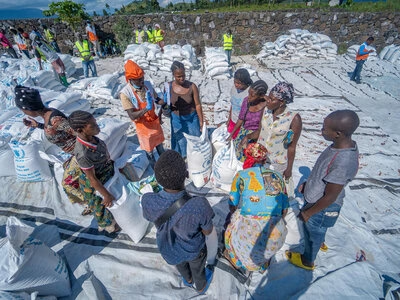
Humanitarian organizations play a vital role in alleviating these hardships. However, the current climate of violence against humanitarian workers, including increasing attacks and kidnappings, poses severe obstacles. Ensuring secure and unimpeded access for aid workers is crucial for delivering assistance to those in need. The international community must advocate for safe passage for aid, as the provision of basic services to children in the DRC remains an urgent priority in these challenging contexts.
Future Directions and International Support
The ongoing crisis in the Democratic Republic of the Congo (DRC) highlights the urgent need for comprehensive solutions that prioritize the welfare of children. As this situation persists, international support becomes paramount in ensuring that resources and strategies are effectively mobilized. The role of the United Nations (UN) is critical, as it can facilitate diplomatic efforts, provide humanitarian assistance, and monitor human rights violations. Enhanced collaboration between the UN and the DRC government is essential to address the root causes of the conflict and to implement meaningful policies that safeguard children’s rights.
Key to this process is the engagement with armed groups operating within the region. A commitment to ceasefire agreements is vital to creating a foundation of peace that can foster the protection of vulnerable populations, especially children. Disarmament initiatives must be coupled with ongoing negotiations aimed at establishing lasting peace; only then can the environment for children’s safety and development be ensured. The international community, including NGOs and donor countries, must work together to exert pressure on these groups to uphold their responsibilities.
In addition to political and armed interventions, community-based programs play a crucial role in the reintegration of affected children. These initiatives should focus on holistic approaches that address their emotional, educational, and social needs. Prioritizing mental health services, educational opportunities, and vocational training can empower these children to rebuild their lives while fostering social cohesion. Ensuring that local communities are involved in the planning and execution of these programs enhances their effectiveness and sustainability, ultimately fostering a safer environment in the region.
In conclusion, addressing the crisis affecting children in the DRC necessitates a multifaceted approach that involves immediate international support, collaborative efforts with local entities, and community-based solutions aimed at reintegration. By focusing on these elements, we can work towards a future where children’s rights are protected and upheld.