
Understanding the Phenomenon of Organised Fraud
Organised fraud refers to systematic, strategically planned illegal activities that are conducted by groups or networks of individuals, commonly referred to as criminal organizations. This concerning phenomenon encompasses a wide variety of fraudulent practices, including identity theft, credit card fraud, and investment scams, among others. The complexity and transnational nature of organized fraud make it a significant global issue, with profound impacts on economies and individual victims alike.
A defining characteristic of organized fraud is its collaborative approach. Members of these illicit networks often possess diverse skills and resources, which they leverage to execute their fraudulent schemes more effectively. By operating as part of an organized crime group, these fraudsters enhance their operational capacities, enabling them to engage in large-scale scams that can affect thousands of individuals and businesses across borders. Furthermore, the adaptability of these groups poses a substantial challenge to enforcement agencies worldwide.
Organised fraud is not limited to one type of scheme; it is categorized into various forms that evolve in response to law enforcement strategies and technological advancements. For instance, cyber fraud has significantly increased as digital transactions become more prevalent, fostering environments for crimes like phishing and ransomware attacks. The fraudulent activities perpetrated by these networks can adapt quickly to exploit new vulnerabilities, further complicating detection and prevention efforts.
This intricate web of organised fraud illustrates a broader trend where boundaries between traditional crime and modern technology blur, allowing these criminal networks to operate with a level of sophistication rarely seen before. Understanding and addressing the intricacies of organized fraud is crucial for international cooperation among law enforcement agencies, policymakers, and the private sector to effectively combat this ever-evolving threat.
Impact on Trust and Economy
Organised fraud presents a significant threat to both public trust and economic stability, with far-reaching implications for individuals and societies. The deliberate deception associated with fraudulent activities can lead to a dramatic erosion of confidence in institutions, whether they be government entities, corporations, or financial systems. As a result, citizens may become increasingly skeptical of the integrity of these institutions, leading to widespread disillusionment within communities.
A prime example of the destabilizing effects of organised fraud can be seen in the financial sector. High-profile cases of fraud, such as Ponzi schemes and corporate accounting scandals, have not only resulted in the loss of billions of dollars but have also triggered economic recessions, job losses, and soaring unemployment rates. When the public’s trust in financial systems is compromised, it can lead to decreased investments, reduced consumer spending, and ultimately, prolonged economic downturns.
Moreover, societal impacts extend beyond mere financial disarray; they encompass psychological effects as well. Victims of fraud often experience feelings of betrayal and psychological distress, which can lead to long-term mental health challenges. Communities also bear the brunt of these fraudulent activities as social cohesion weakens. Trust, a foundational element of thriving communities, is adversely affected, leading to a pervasive atmosphere of fear and suspicion.
As organised fraud continues to evolve, the interplay between economic consequences and societal behavior becomes increasingly complex. Individuals who once trusted their institutions may find themselves closing off from community engagement, fostering an environment where collective action is hindered. Consequently, addressing these issues will require a multifaceted approach that emphasizes reinforcing both economic and social frameworks to rebuild trust and ensure the integrity of systems vital for societal welfare.
International Responses and Strategies
The international community has recognized the increasing threat posed by organized fraud, which transcends borders and poses significant risks to economies and societies worldwide. In response, various strategies have been employed by international organizations, governmental bodies, and law enforcement agencies to combat this pervasive issue. A fundamental component of these strategies includes the collaborative efforts facilitated at the United Nations level, exemplified by treaties, protocols, and joint task forces specifically aimed at enhancing global cooperation against organized fraud.
One of the notable initiatives is the development of comprehensive treaties that provide a framework for member states to collaborate more effectively. These treaties often encompass provisions for information sharing, capacity building, and joint operational protocols that enhance the ability of law enforcement agencies to investigate and prosecute fraud cases that may involve multiple jurisdictions. The United Nations Convention against Transnational Organized Crime serves as an important reference point, enabling states to align their national legislation with international standards.
Additionally, protocols such as the Global Programme against Financial Cybercrime, which targets fraud arising from technological advancements, highlight the necessity of adapting strategies to meet emerging threats. These collaborative efforts aim to establish a unified response to organized fraud, illustrating the importance of combined resources and intelligence in tackling complex criminal networks.
Despite these significant strides, challenges persist in the fight against organized fraud. Variabilities in legal frameworks, divergent perceptions of fraud, and limited resources hinder the implementation and enforcement of international agreements. Moreover, as organized fraud continues to evolve, it requires ongoing adaptation of strategies and renewed commitments from the global community.
Future Directions and Call to Action
The escalating threat of organized fraud presents a multifaceted challenge that requires a collaborative and adaptive approach from all sectors of society. As we look towards the future, it becomes increasingly clear that heightened awareness and education are pivotal in combatting this pervasive issue. Fraudsters are continuously evolving their tactics, and thus, our strategies must also be dynamic. This necessitates an integrated framework that encompasses not only law enforcement agencies but also businesses, non-profits, and the general public.
Engagement at all levels is essential, as informed citizens can serve as a critical line of defense against fraud. Educational initiatives aimed at increasing knowledge about the methods and impact of organized fraud should be a priority for both governments and private entities. By fostering a culture of vigilance, individuals can better recognize and report fraudulent activities, helping to dismantle networks operating within their communities.
Moreover, proactive public campaigns highlighting the signs of organized fraud can play a significant role in prevention. Such campaigns should aim to demystify the complexities of fraud and provide clear, actionable steps for individuals and businesses to protect themselves. Governments are urged to partner with private sector organizations to develop and distribute resources designed to equip individuals with knowledge and tools necessary to navigate this evolving threat.
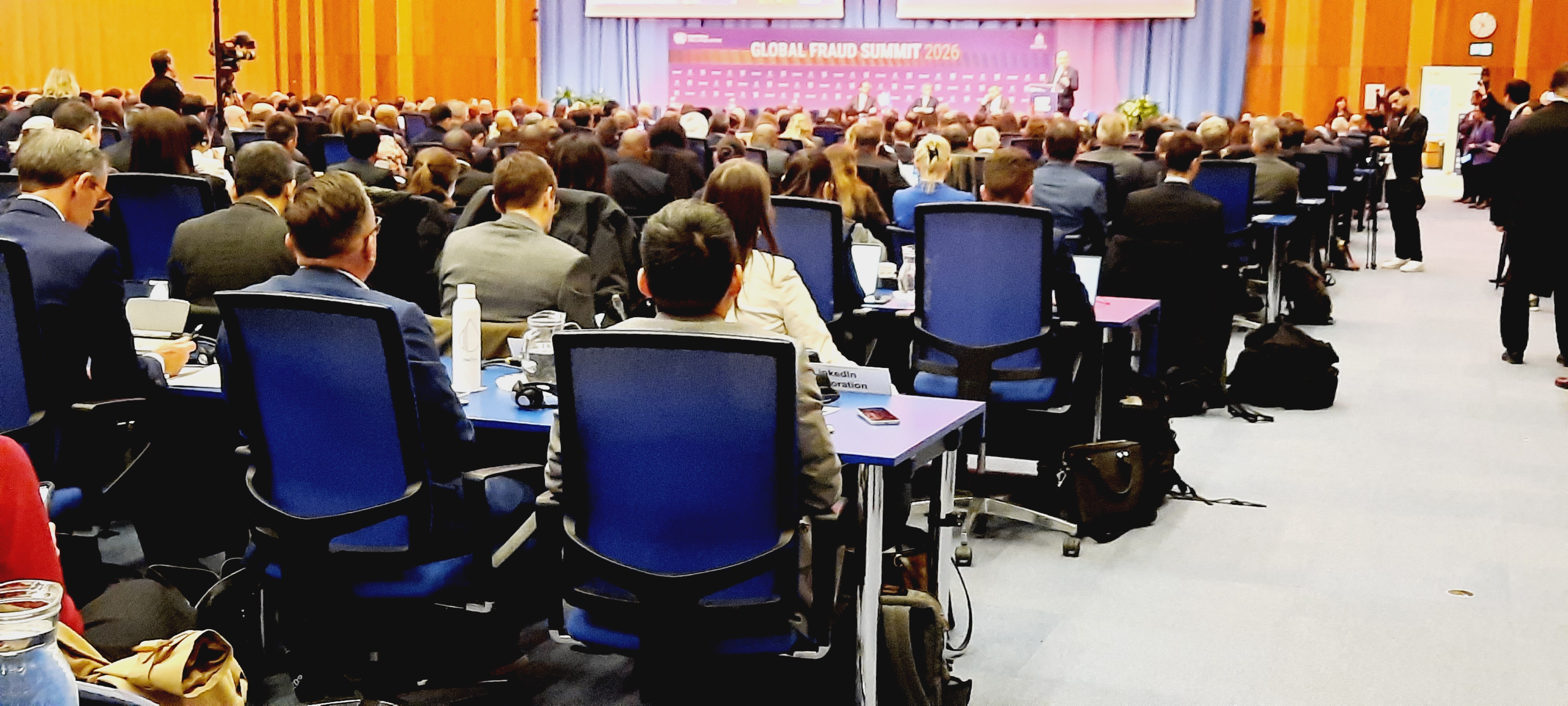
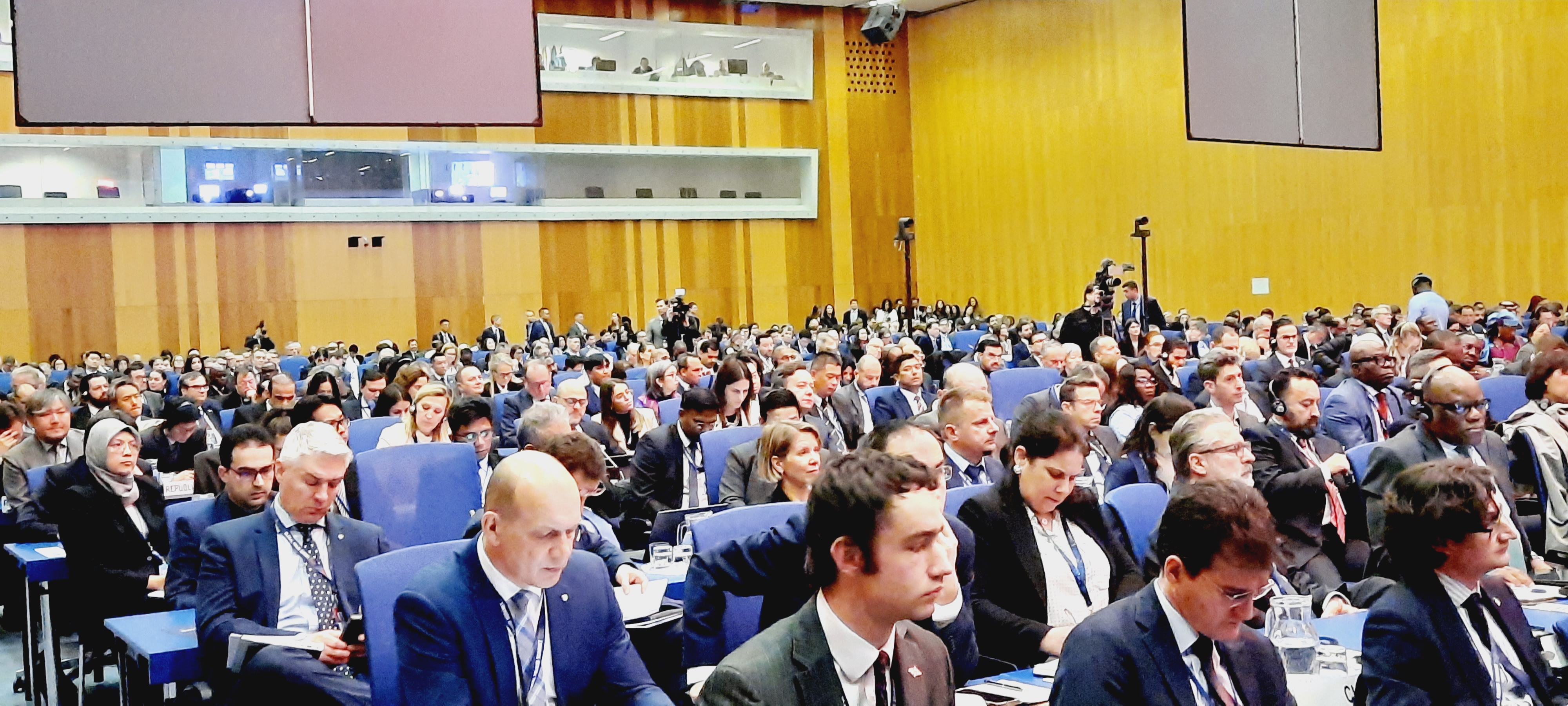
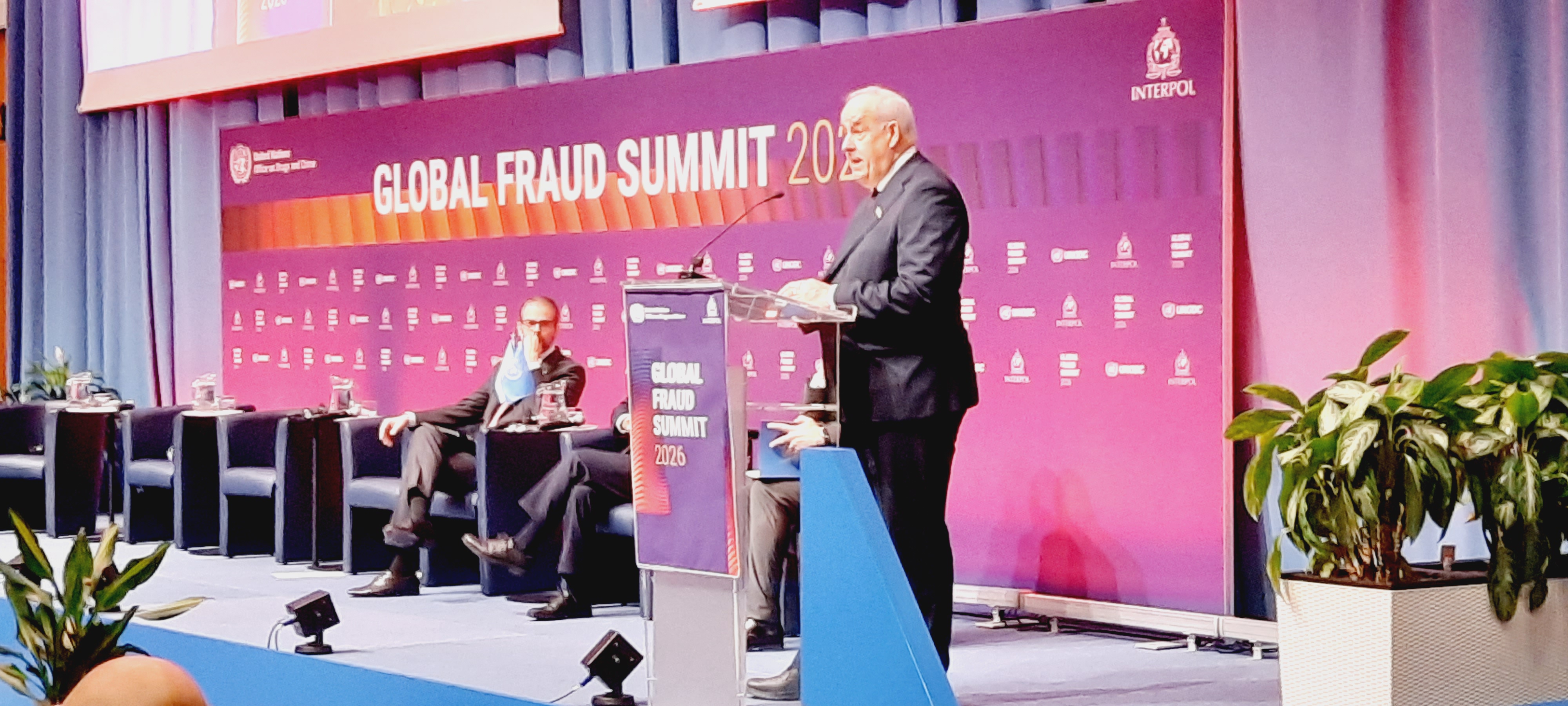
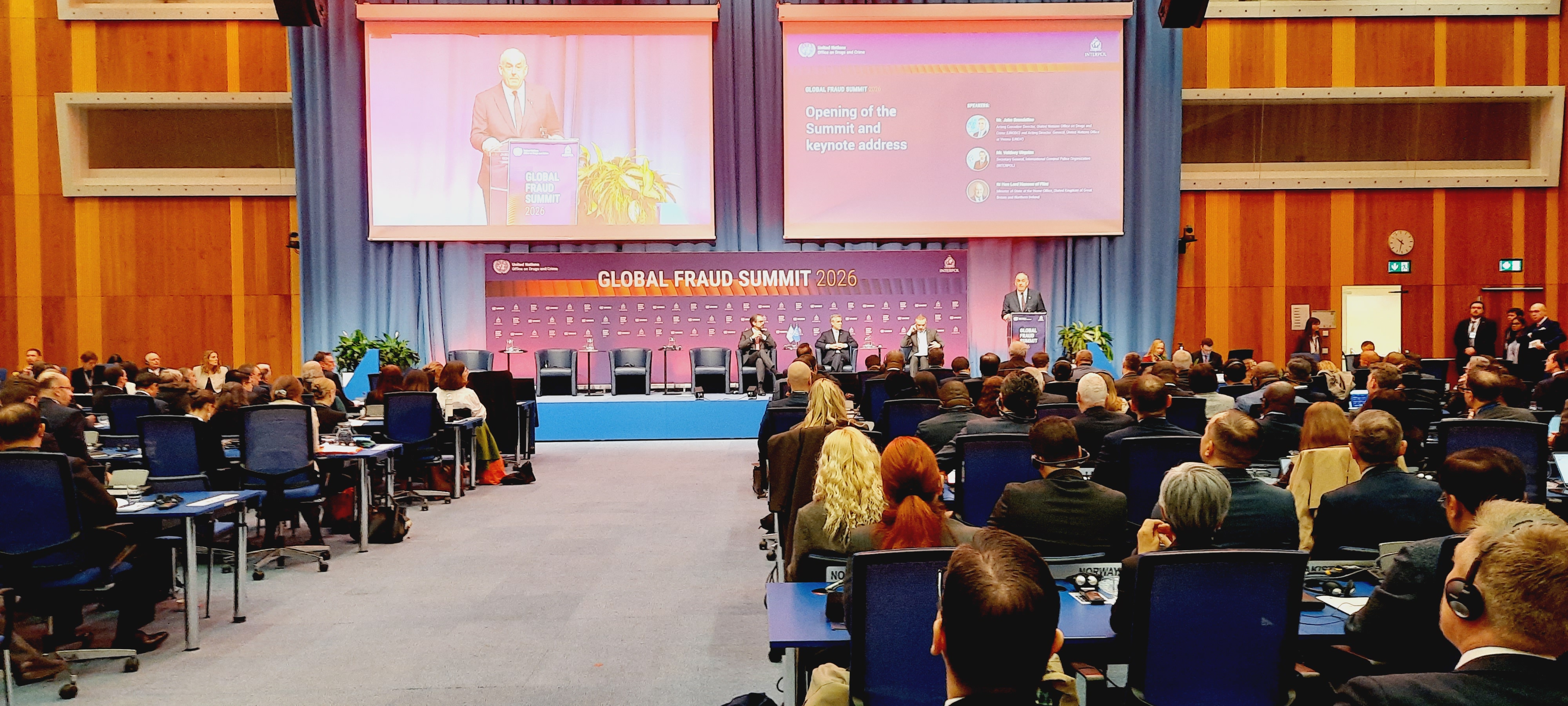
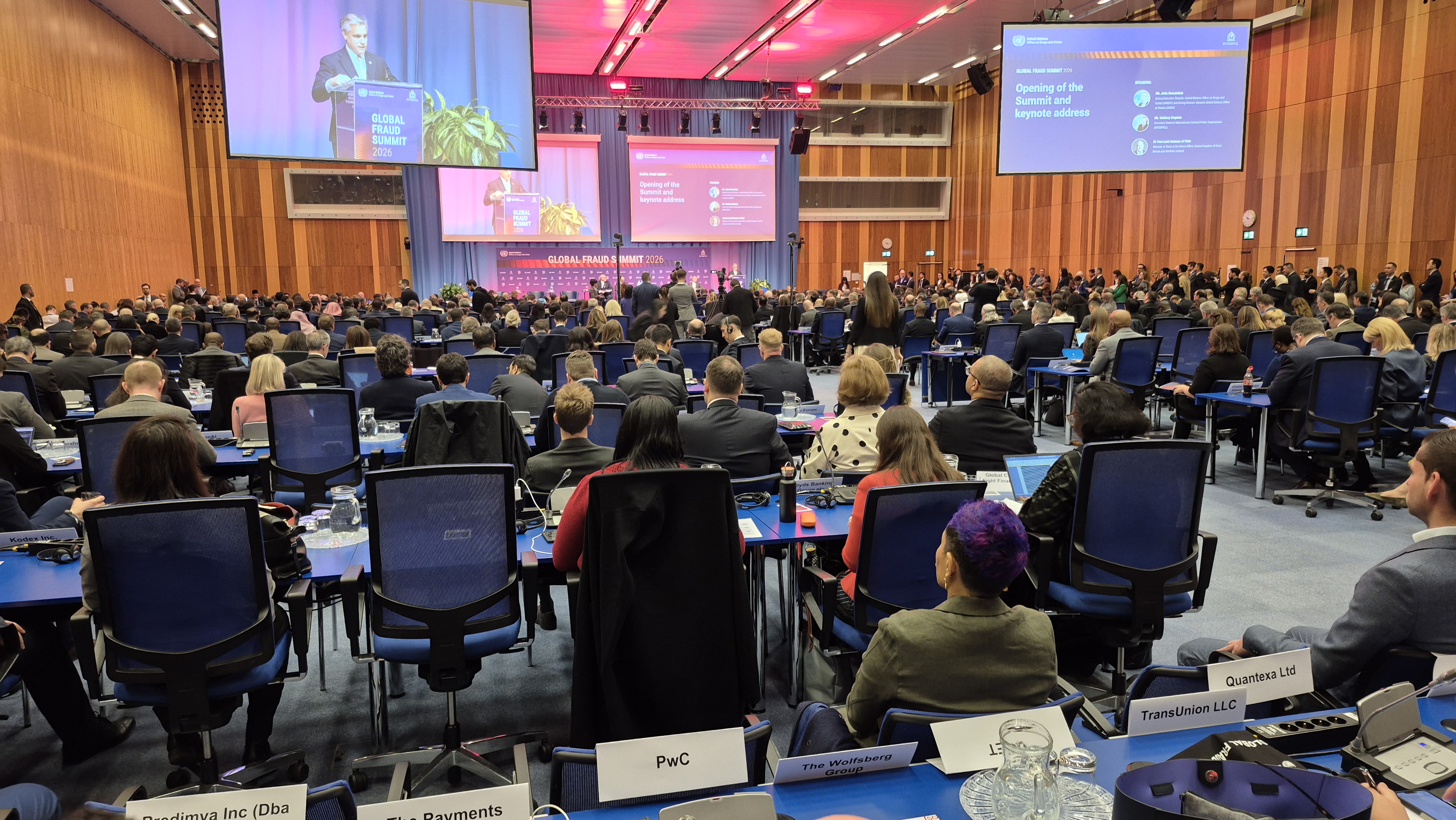
To effectively address organized fraud, a unified approach is essential. Governments, businesses, civil society, and individuals must collaborate, sharing information, resources, and best practices to enhance resilience against such threats. The 2026 UN Conference reinforced that mitigating organized fraud is not solely a matter of policies, but rather a commitment to fostering a trustworthy societal framework. Only through collective action can we hope to safeguard our communities, businesses, and economy from the significant risks posed by organized fraud.