
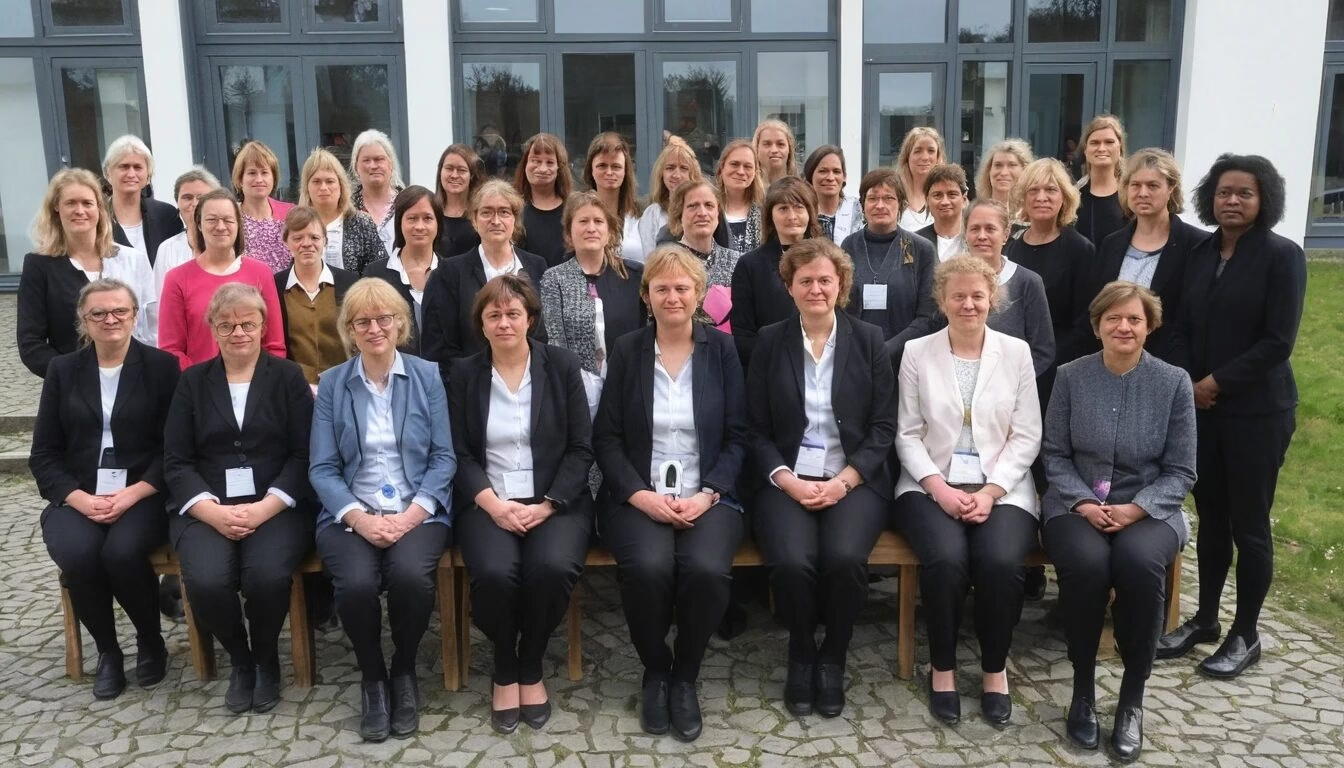

The Importance of Gender Equality in Scientific Fields
Gender equality in scientific fields is a fundamental pillar for fostering progress and innovation in our society. The absence of equal representation in science, technology, engineering, and mathematics (STEM) can limit creativity, reduce problem-solving capabilities, and hinder the overall development of effective solutions to the complex challenges we face today. The integration of varied perspectives, which often comes from a diverse workforce, is essential to unlocking new ideas and approaches that drive scientific breakthroughs.
When women are included in STEM fields, they contribute unique insights and experiences that inform and enhance the research process. Studies have shown that diverse teams yield better results. This is particularly relevant in STEM, where the challenges often require multifaceted strategies. For instance, mixed-gender research teams have been found to produce more innovative outcomes compared to homogeneous ones. The presence of women in scientific research encourages collaboration and promotes inquiry from multiple angles, enhancing critical thinking and leading to holistic solutions.
Furthermore, gender equality in STEM encourages the retention of talent, ensuring that skilled and knowledgeable individuals are not lost to the industry due to gender biases or inequities. When organizations prioritize gender equality, they establish inclusive cultures that attract a broader pool of talent, ultimately benefiting the scientific community. For example, tech companies that actively recruit and retain female employees experience increased productivity and improved workplace engagement. This positive impact reflects not only on the companies themselves but also on the wider community as a whole.
In conclusion, gender equality in scientific fields is not just a matter of fairness but is crucial for advancing innovation and tackling global challenges. By ensuring that all voices are heard and represented, we create an environment conducive to groundbreaking ideas and solutions that benefit society as a whole.
Current Challenges Faced by Women in STEM
Despite significant progress over the past few decades, women in Science, Technology, Engineering, and Mathematics (STEM) continue to encounter various barriers that hinder their participation and advancement in these fields. One major challenge is the limited access to funding, particularly for research endeavors led by women. Studies have shown that women are often less likely than their male counterparts to receive grants or financial support for their projects, which affects their ability to pursue innovative research and advancements.
Pervasive gender stereotypes further compound this issue. Many women in STEM face societal biases that question their abilities and qualifications. Such stereotypes promote the idea that STEM fields are predominantly male, which discourages women from entering or persisting in these disciplines. For instance, a report by the National Science Foundation revealed that women accounted for only 28% of the workforce in engineering, indicating a significant gender gap that can be traced back to early educational experiences influenced by societal biases.
Moreover, workplace discrimination remains a critical factor affecting women in STEM. Discriminatory practices, whether overt or subtle, can manifest in various forms, such as unequal pay, lack of mentorship opportunities, and limited promotional paths. The Tech Inclusion Report of 2022 highlighted that women in technology roles were consistently paid less than men, with women of color facing even broader wage gaps. These disparities create a discouraging environment that not only affects retention rates but also limits the potential of women to contribute meaningfully to their fields.
These statistics and real-life accounts illustrate the pressing need to address the challenges women face in STEM. By recognizing and dismantling these barriers, stakeholders can help foster a more inclusive environment where women can thrive, thus enhancing diversity and innovation within the scientific community.
The Impact of Excluding Women in Scientific Leadership
The absence of women’s voices in scientific leadership significantly undermines the development and implementation of effective solutions to global challenges. Research has consistently demonstrated that diverse perspectives, particularly those offered by women, lead to more innovative approaches and comprehensive decision-making in science and technology. When women are excluded from leadership roles, we risk perpetuating biases that can manifest in the very technological tools and methods employed to address pressing societal issues.
One pressing concern is the bias that can infiltrate technological advancements, particularly in fields such as artificial intelligence and machine learning. Algorithms shaped without the input of women may inadvertently reinforce existing stereotypes or systemic inequalities, rather than promoting equity. For instance, studies have shown that AI systems, trained primarily by male experts, often fail to represent women’s needs adequately, leading to products and services that do not serve half the population effectively. This lack of inclusiveness not only perpetuates gender biases but also limits the potential for innovation that reflects the diversity of societal needs.
Furthermore, the exclusion of women in scientific leadership can impact global crisis management, especially in areas such as climate change and public health. Women have been shown to play a crucial role in environmental advocacy and health responses, yet their representation in these fields remains disproportionately low. The COVID-19 pandemic illustrated how critical diverse leadership is in formulating responses that adequately address the needs of various communities. With an absence of female expertise, policy implementations may overlook vital aspects related to gender-specific health outcomes or environmental impacts disproportionately affecting women.
In conclusion, the exclusion of women from scientific leadership positions not only stifles innovation and inclusivity in technology but also hampers our ability to effectively confront pressing global crises. To foster a more equitable and sustainable future, it is imperative to ensure that women are empowered to take on leadership roles, bringing their unique insights and experiences to the forefront of scientific decision-making.
Empowering Women and Girls for a Brighter Future in STEM
To promote gender equality in science, technology, engineering, and mathematics (STEM), various initiatives have emerged, aimed specifically at empowering women and girls. These initiatives are crucial for addressing the underrepresentation of women in these fields. Scholarships, internships, and mentorship programs provide essential support that helps bridge the gender gap and encourages women to pursue careers in STEM.
Organizations such as the United Nations have been at the forefront, implementing programs designed to empower the next generation of female innovators and leaders. Scholarships not only alleviate financial burdens but also motivate young women to excel in STEM education. By providing monetary support, these programs remove barriers that often prevent women from accessing opportunities in higher education, particularly in engineering and technology sectors.
Internship programs play a pivotal role in providing real-world experience, equipping young women with the skills and confidence they need to thrive in competitive environments. Many corporations and educational institutions are collaborating to create pathways for women to gain valuable hands-on experience in STEM fields. These internships also often lead to employment opportunities, further solidifying the commitment to diversity in the workforce.
Mentorship is another critical component in supporting women and girls in STEM. Many successful women in science and engineering volunteer their time to guide younger generations, sharing their insights, experiences, and advice. These mentorships foster an inclusive environment where aspiring female professionals can freely express their challenges and aspirations, building a strong support network. Such initiatives inspire confidence and resilience, crucial traits for success in STEM.
Collectively, these programs convey a powerful message: every girl has the potential to succeed in STEM fields. By fostering an inclusive atmosphere and providing necessary resources, society can ensure that women’s contributions significantly impact and shape the future. This commitment to empowering women and girls in STEM is essential for a more equitable and sustainable world.