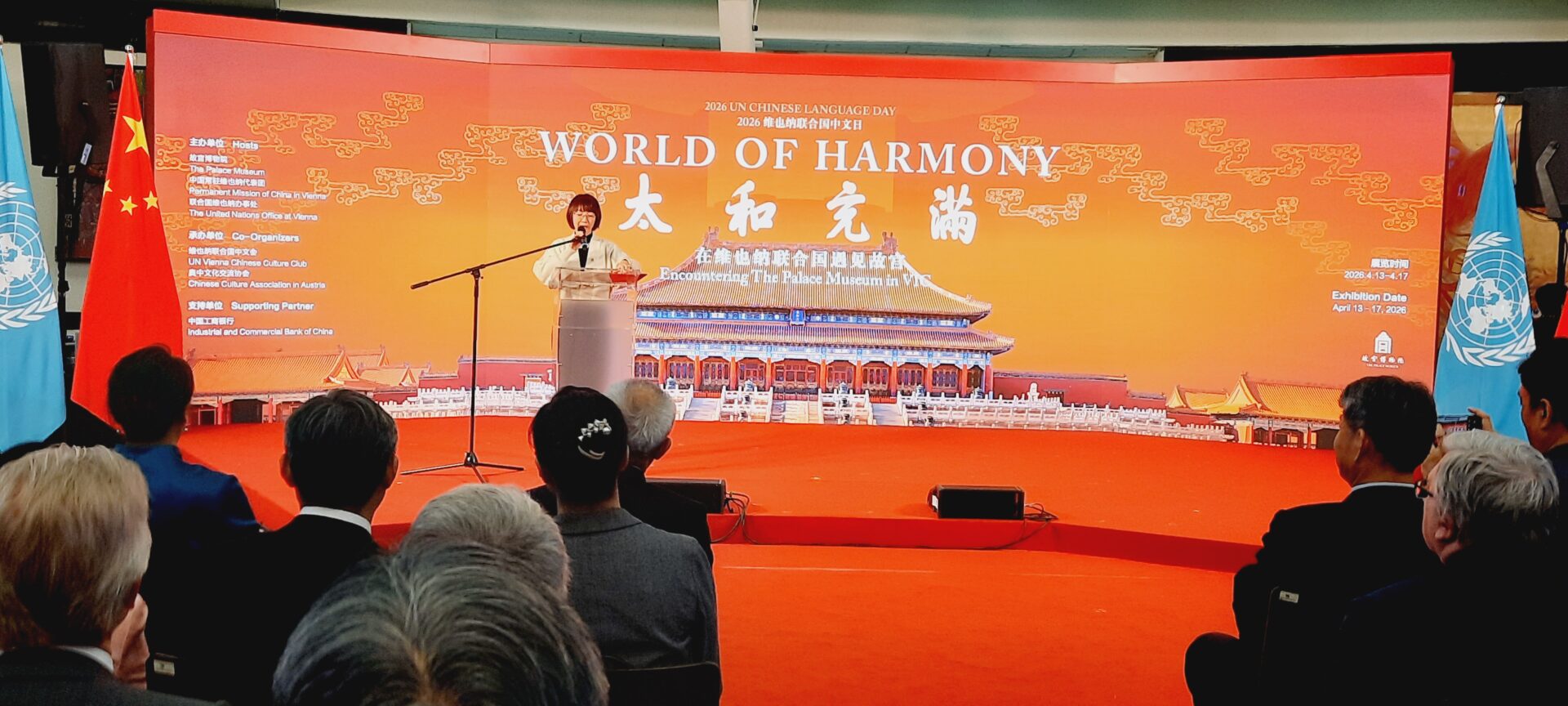
Introduction to Chinese Language Day
The United Nations Chinese Language Day, celebrated annually on April 20, serves as a reminder of the rich heritage and significance of the Chinese language in the global arena. Established in 2010, this observance was part of the UN’s initiative to promote linguistic diversity and cultural understanding among its member states. It underscores the commitment of the United Nations to fostering peace and harmony through the appreciation of distinct languages and cultures.
The significance of Chinese Language Day lies not only in the celebration of the language itself but also in its role as a bridge between diverse cultures. Chinese, one of the six official languages of the United Nations, is spoken by over a billion people worldwide, making it essential for intercultural communication and diplomacy. The observance also aims to enhance awareness of the historical and cultural contributions of the Chinese-speaking communities across the globe.
As we commemorate this day, it is crucial to recognize its impact on strengthening diplomatic relations and promoting cultural exchange. Events organized around this occasion include language showcases, cultural performances, and educational activities that highlight the importance of the Chinese language. Such initiatives foster a deeper understanding of Chinese customs, traditions, and societal values, encouraging greater collaboration among nations.
Furthermore, Chinese Language Day aligns with the UN’s broader objectives to support multilingualism and cultural diversity in an increasingly interconnected world. By raising awareness on this platform, the event highlights the importance of preserving linguistic heritage while promoting language learning as a vital tool for global engagement.
Theme of ‘World of Harmony’
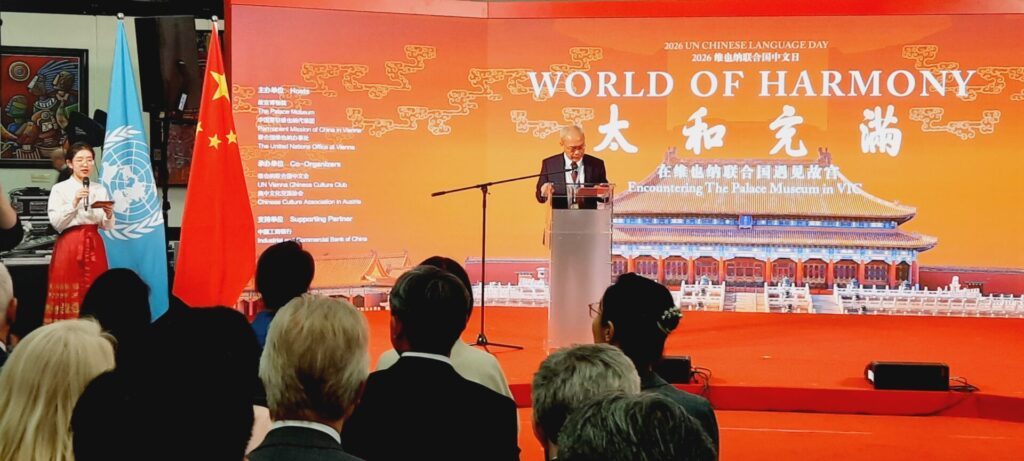
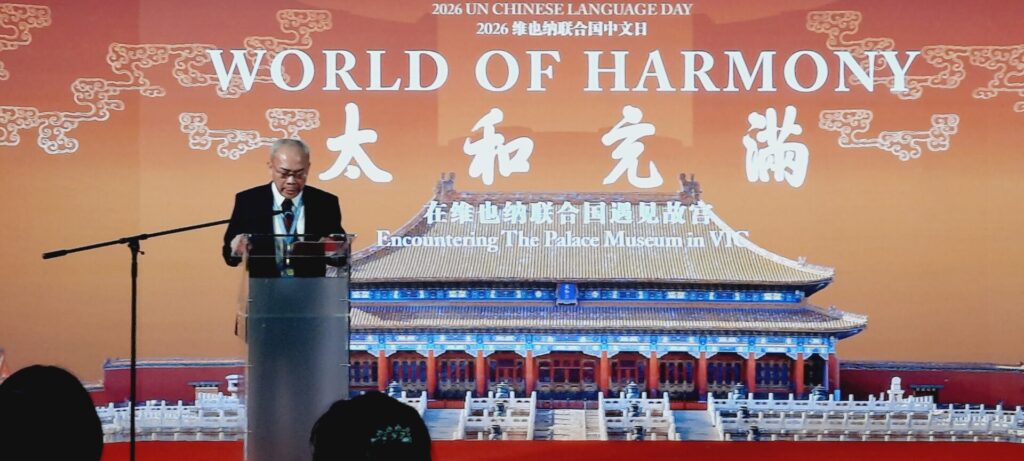
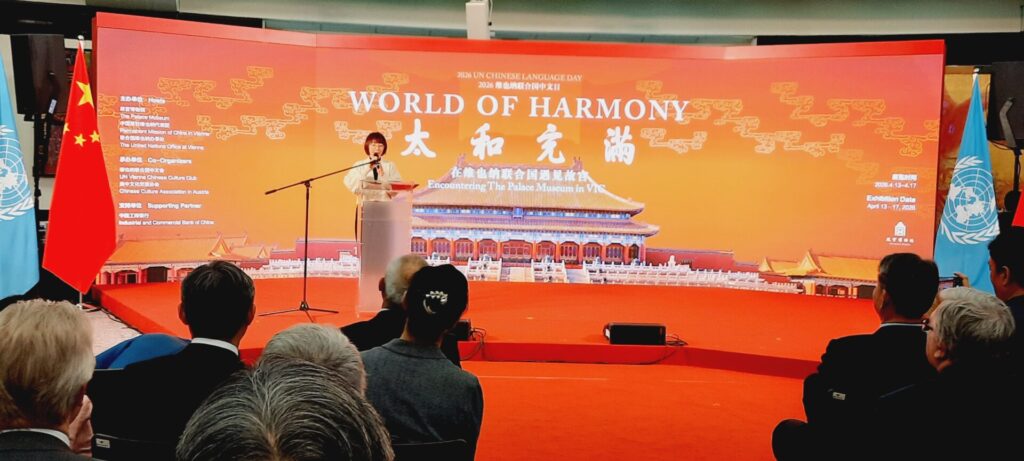
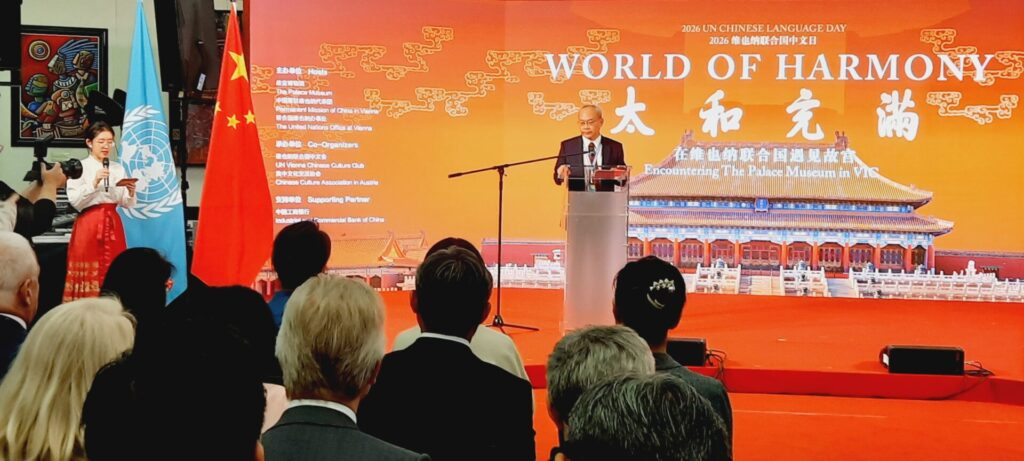
The theme for the 2026 UN Chinese Language Day, ‘World of Harmony’, embodies the essential values of peace, cooperation, and understanding among nations. Harmony is a fundamental principle in Chinese philosophy and culture, reflecting an ideal state in which diverse elements coexist peacefully. This theme is particularly relevant in fostering international dialogue and collaboration, as it encourages nations to embrace their differences while seeking common ground through the medium of the Chinese language.
In the context of the UN, the ‘World of Harmony’ theme aligns closely with the organization’s overarching mission to promote global unity and collaboration among its member states. Language serves as a powerful tool for diplomacy, enabling communication and understanding between cultures. The Chinese language, spoken by billions and rich in history, stands as a symbol of this theme, representing both the cultural heritage of China and the potential for cross-cultural connections.
Moreover, the ‘World of Harmony’ theme highlights the significance of linguistic diversity and the role it plays in fostering inclusive dialogue. It reminds us that effective communication transcends barriers and can pave the way for mutual respect and appreciation. By embracing the Chinese language, participants can explore not only its complexities but also the values of respect, inclusivity, and cooperation that underpin harmonious relationships. This theme calls on global citizens to engage meaningfully with one another, thereby reinforcing the importance of dialogue in building a world rooted in harmony.
Ultimately, the chosen theme for the 2026 UN Chinese Language Day serves as a call to action, urging individuals and nations alike to prioritize understanding and collaboration. It is through this lens of harmony that we can collectively strive for a more peaceful and inclusive world, reflecting the true spirit of international cooperation and shared humanity.
Event Highlights and Activities
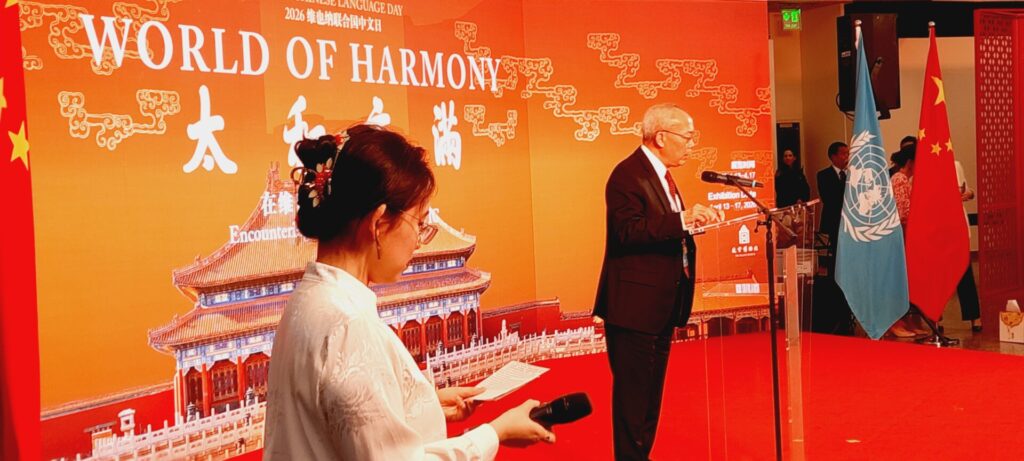
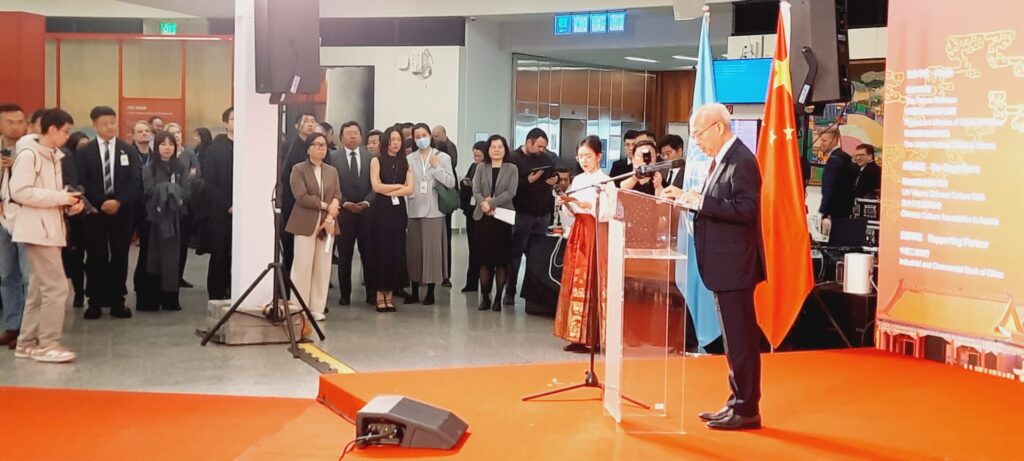
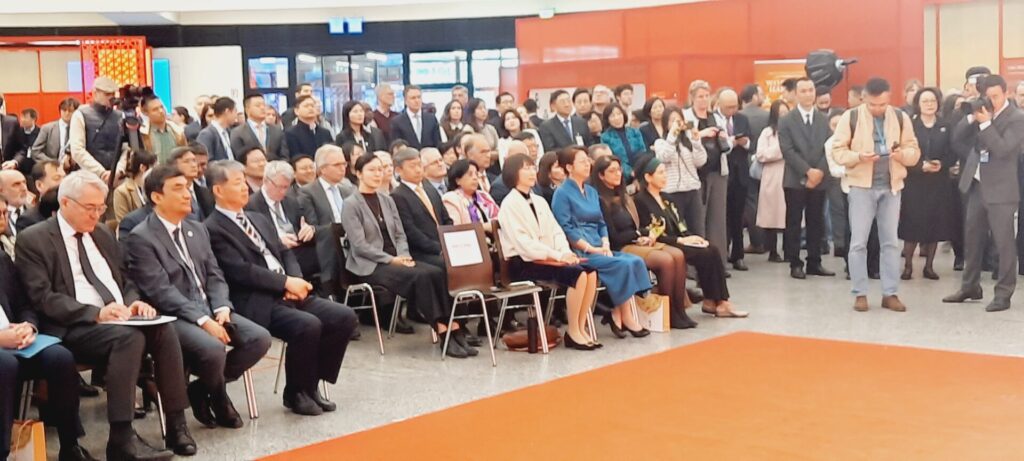
The 2026 UN Chinese Language Day promises a diverse array of activities aimed at celebrating the richness of the Chinese language and culture. The day will kick off with an opening ceremony featuring a keynote address from a prominent figure in the field of linguistics, who will set the tone for the events to follow. This will serve as an important opportunity to reflect on the significance of language as a conduit of culture and identity.
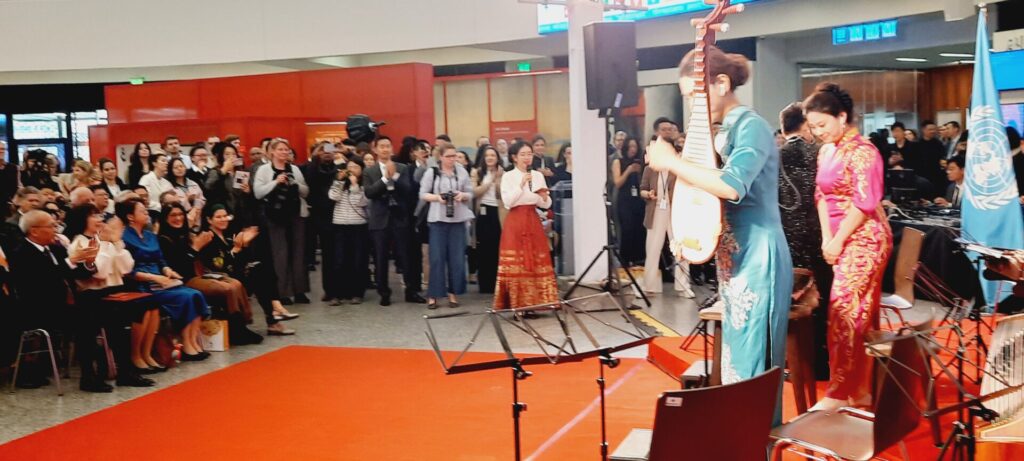
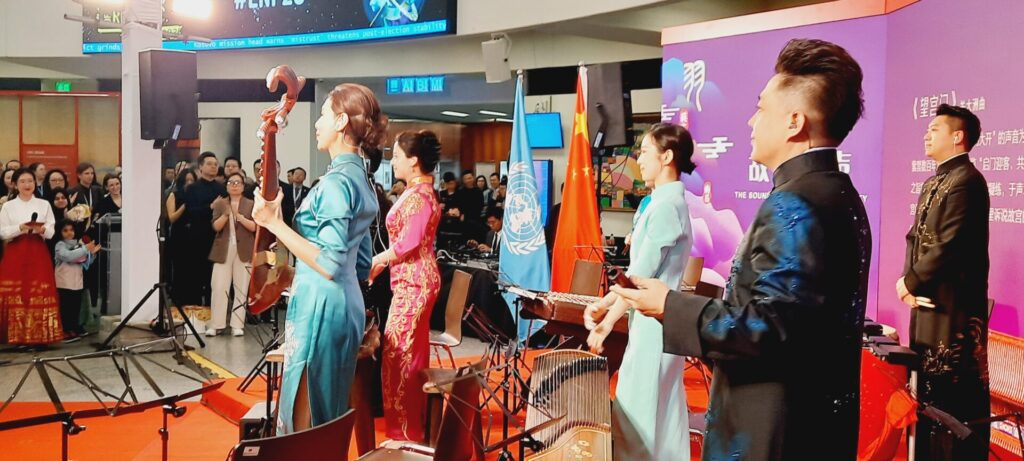
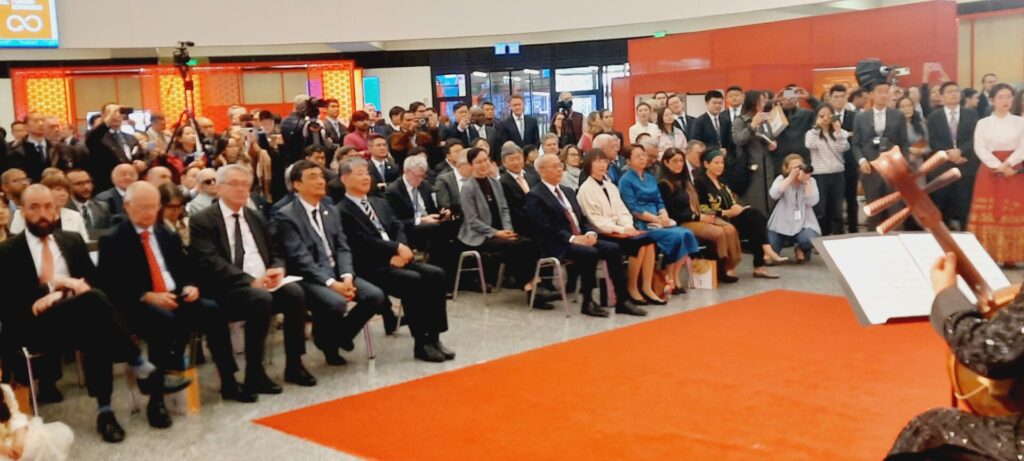
Following the opening ceremony, attendees will have the chance to engage in a variety of cultural performances. These performances will showcase traditional Chinese music, dance, and theatrical arts, all of which contribute to a broader appreciation of the Chinese cultural heritage. Artists, both established and emerging, will perform, providing spectators with a taste of the artistic expressions prevalent within the Chinese-speaking world.
Additionally, there will be a series of interactive workshops designed to deepen understanding of the Chinese language. These workshops will invite participants to learn basic conversational skills, delve into calligraphy, and explore Chinese poetry. By engaging hands-on, attendees will cultivate not only language skills but also a personal connection to Chinese culture.
In conjunction with the workshops, the event will feature exhibitions that highlight various aspects of Chinese culture, including literature, art, and history. These exhibitions will be curated by experts and will include displays of traditional artifacts, literature, and multimedia presentations illustrating the evolution of the Chinese language over the centuries.
Finally, discussion panels will provide a platform for thought leaders, scholars, and educators to engage in meaningful dialogue surrounding the impact of the Chinese language on global communication. These panels will facilitate conversations on the importance of preserving linguistic diversity and the role of languages in fostering international harmony.
The Importance of Multilingualism and Cultural Diplomacy
Multilingualism serves as a catalyst for cultural diplomacy, promoting understanding and exchange among diverse populations. The Chinese language, as one of the world’s most widely spoken languages, embodies an intricate tapestry of cultural heritage and identity. By fostering dialogue through languages like Chinese, we not only communicate but also connect with the histories, traditions, and worldview of its speakers. This expansive reach of the Chinese language enhances its role in international relations, allowing for greater collaboration across borders and cultures.
Understanding a language goes beyond mere vocabulary; it involves a profound appreciation of cultural nuances and value systems intrinsic to a society. The Chinese language encapsulates philosophical tenets, artistic expressions, and social constructs unique to Chinese communities. Thus, events such as the UN Chinese Language Day play a pivotal role in advancing multilingualism, encouraging individuals to partake in the exchange of ideas while respecting cultural diversity. By emphasizing the significance of learning Chinese and other languages, these occasions foster global harmony and respect, essential components for peaceful coexistence.
Moreover, multilingualism can directly impact education and economic opportunities. Proficiency in the Chinese language opens doors for bilateral trade, international agreements, and cultural exchanges, further embedding language learning into the global discourse. As nations increasingly engage with one another, the importance of cultural diplomacy becomes evident, with language serving as a tool for bridging gaps between different cultures.
Celebrating linguistic diversity through initiatives like the UN Chinese Language Day ultimately cultivates genuine relationships founded on mutual respect and understanding, creating a sustainable framework for peaceful interactions on a global scale.