

The Vision Ahead: Celebrating 20 Years of CRPD
The year 2026 holds significant importance as it marks two decades since the adoption of the Convention on the Rights of Persons with Disabilities (CRPD). This pivotal document has served as a catalyst for advancing the rights of individuals with disabilities across the globe. Since its inception, the CRPD has championed a vision of inclusivity, equality, and empowerment, laying the groundwork for substantial progress toward disability inclusion in various sectors, including education, employment, and healthcare. The anniversary presents an opportunity to reflect on these achievements while acknowledging ongoing challenges.
Over the last 20 years, numerous countries have taken considerable strides in ratifying the CRPD and implementing policies that promote the rights of persons with disabilities. International collaboration has led to innovations and best practices that have positively impacted the lives of millions. For instance, advancements in accessible technologies and inclusive education models underscore the collective endeavor to create a more equitable world. Nonetheless, despite the milestones reached, gaps remain that warrant attention. Many individuals still face barriers to full participation in society, including stigmatization, limited access to resources, and inadequate representation in decision-making processes.
As we approach the 20th anniversary of the CRPD, it becomes crucial to reassess our commitment to its principles and goals. This moment serves as a reminder to take stock of our progress while setting ambitious new targets for the future. By fostering an environment of global innovation and collaboration, stakeholders can work together to devise solutions that address persisting disparities. Looking forward, the vision for disability inclusion must be rooted in a commitment to human rights, ensuring that every individual, regardless of ability, is afforded the opportunity to thrive.
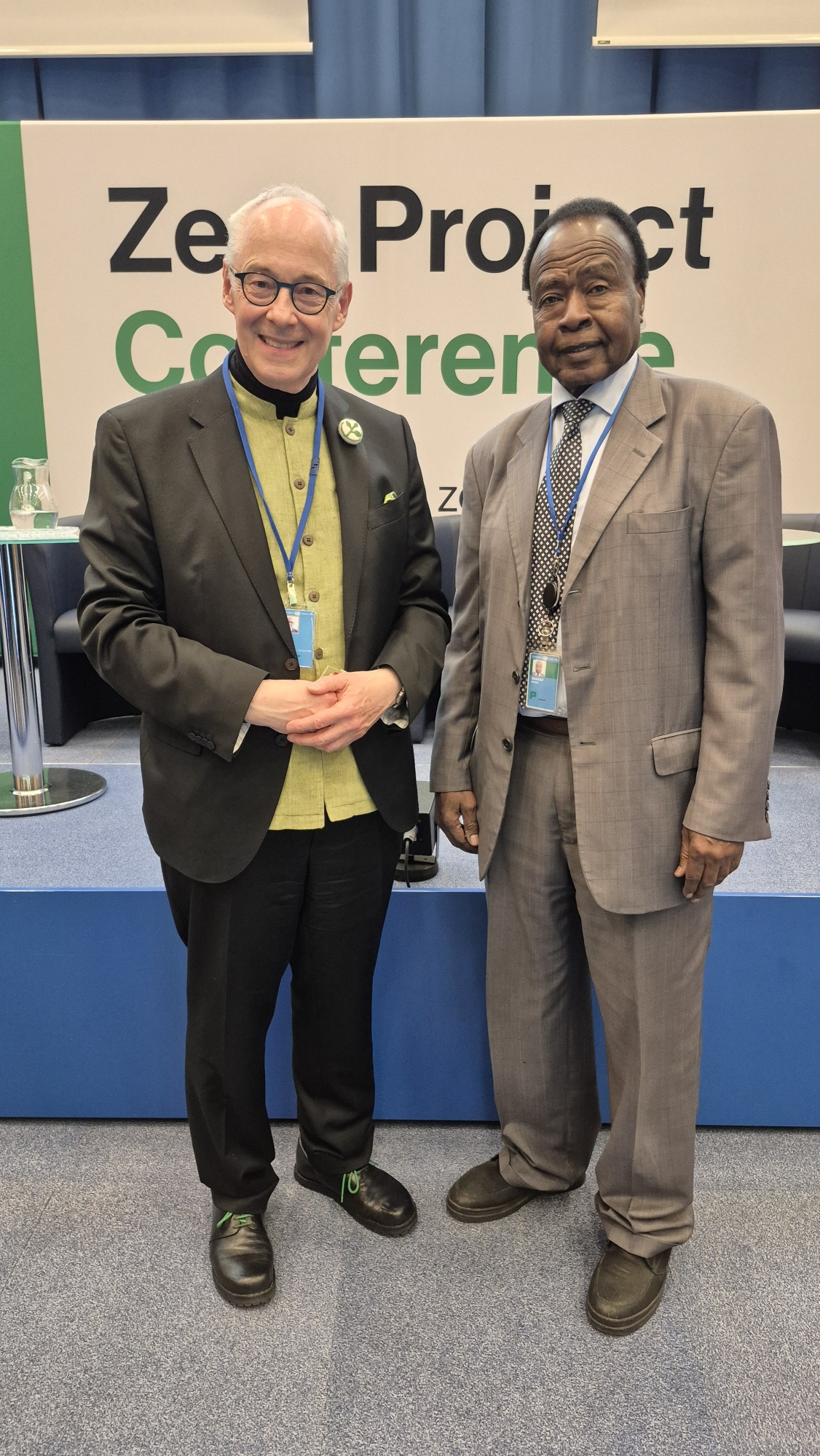
The Power of Collaboration: Insights from the Zero Project Network
The Zero Project Network has emerged as a powerful catalyst for advancing disability inclusion across the globe. Central to its mission is the facilitation of cross-sectoral collaboration, which brings together a diverse array of stakeholders, including government institutions, non-profit organizations, and the private sector. This collective effort has resulted in the identification of over 1,035 innovative initiatives that showcase effective solutions aimed at enhancing the lives of individuals with disabilities. The network operates on the premise that collaboration among varied sectors amplifies impact, thereby creating a robust framework for sustainable change.
Through its extensive research and engagement, the Zero Project Network has succeeded in connecting organizations and individuals who share a common goal: the promotion of an inclusive society that recognizes and respects the rights of people with disabilities. Each initiative cataloged by the network serves as a testament to the transformative potential of collaboration; they reflect successful strategies that tackle different barriers faced by disabled individuals, ranging from accessibility in public spaces to workforce inclusion.
This network illustrates the power of partnership in driving meaningful change. By leveraging diverse perspectives and expertise, stakeholders are better equipped to address the multifaceted challenges faced by people with disabilities. The innovative solutions stemming from these collaborations underline the notion that effective disability inclusion requires coordinated efforts across various domains to dismantle barriers systematically. Thus, the Zero Project Network not only showcases successful practices but also fosters a sense of community that encourages continuous learning and adaptation among its members. Through these collaborative efforts, the network exemplifies how collective action can lead to groundbreaking advancements in disability inclusion, ultimately creating a more equitable and inclusive world for all.
Innovative Solutions for an Inclusive Future
In recent years, innovative solutions to enhance disability inclusion have emerged as pivotal strategies worldwide. The Zero Project has played a crucial role in identifying and promoting these effective practices through its annual award program. This initiative celebrates outstanding innovations that serve to improve the lives of individuals with disabilities.
One notable example is the development of accessible technology that transforms traditional environments into inclusive spaces. For instance, smart home technologies equipped with voice control systems allow individuals with mobility impairments to manage their living conditions independently. These advancements not only enhance the quality of life but also promote autonomy and dignity for users.
Moreover, educational institutions are adapting curricula and teaching methodologies to embrace inclusive practices. By employing Universal Design for Learning (UDL) principles, schools can accommodate various learning styles and needs, ensuring that all students, regardless of disability, can access quality education. This framework demonstrates how inclusive education can foster a culture of acceptance and cooperation among diverse learners.
Healthcare also reflects this trend through the emergence of telehealth services designed specifically for individuals with disabilities. Such services eliminate geographical barriers and make medical consultations more accessible. The convenience of remote healthcare not only saves time but also significantly reduces the difficulty faced by those who must travel for care.
These examples underscore the necessity of disseminating successful models of innovative solutions. By sharing these initiatives globally, they inspire further action and lead to improvements in accessibility and inclusion for individuals with disabilities. Ultimately, the goal is to create a shared commitment among societies to include every individual, fostering a more inclusive future.
A Collective Responsibility: Engaging Society in Inclusion Efforts
The importance of disability inclusion extends beyond mere compliance with legal standards; it reflects a fundamental component of societal equity. Engaging society in inclusion efforts necessitates a collective responsibility, where individuals, communities, businesses, and governments work in tandem to create an environment that empowers persons with disabilities. Each stakeholder has a distinct yet interlinked role in fostering a culture of inclusivity.
Individuals can contribute to disability inclusion by cultivating awareness and sensitivity towards the challenges faced by people with disabilities. By educating themselves and others, they can challenge stereotypes and normalize conversations around disability. This grassroots effort is essential in creating a community ethos that prioritizes inclusivity. Furthermore, individuals are often in a unique position to influence local businesses and organizations by advocating for inclusive practices that benefit everyone.
On a community level, collaboration among local organizations, non-profits, and advocacy groups is vital. These entities should work together to provide programs and resources that promote diversity and accessibility. By hosting workshops, seminars, and events focused on inclusion, communities can engage residents and encourage proactive contributions to a more inclusive society.
Businesses also play a crucial role in supporting disability inclusion through hiring practices, accessible workplaces, and inclusive products and services. Implementing diversity-training programs can increase awareness and sensitivity among employees, fostering an organizational culture that values all individuals.
Governments must establish comprehensive policies that support the rights of persons with disabilities. This includes adequate funding for accessibility initiatives and promoting legislation that ensures equal opportunities across all sectors. By setting a legal and social framework that encourages participation, authorities can facilitate lasting change.
In conclusion, the push for disability inclusion requires a united front. Every member of society has a part to play in ensuring full participation of persons with disabilities. By recognizing and embracing this shared responsibility, we can work collectively towards a more equitable future for all.