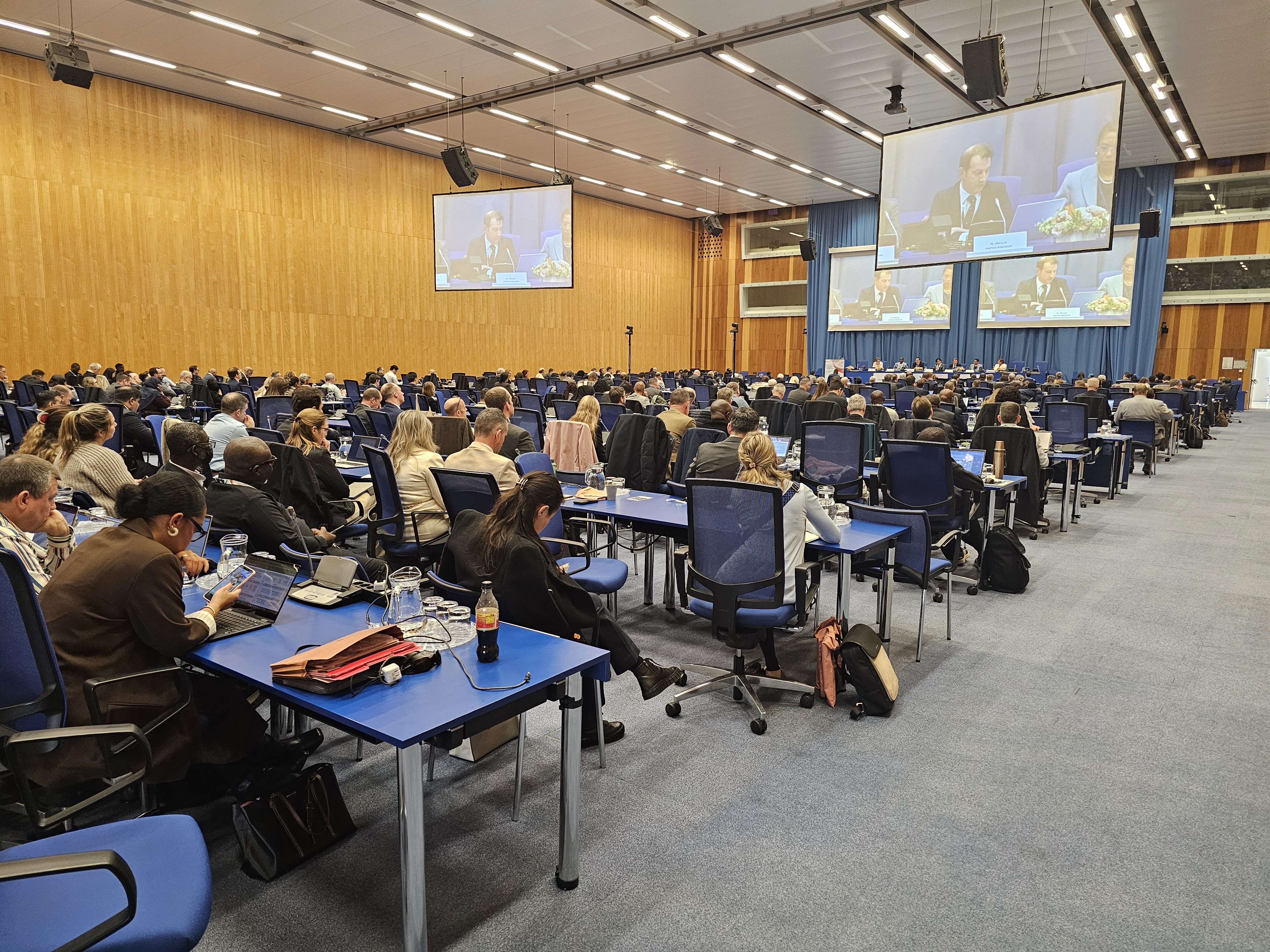
Overview of the IAEA Conference
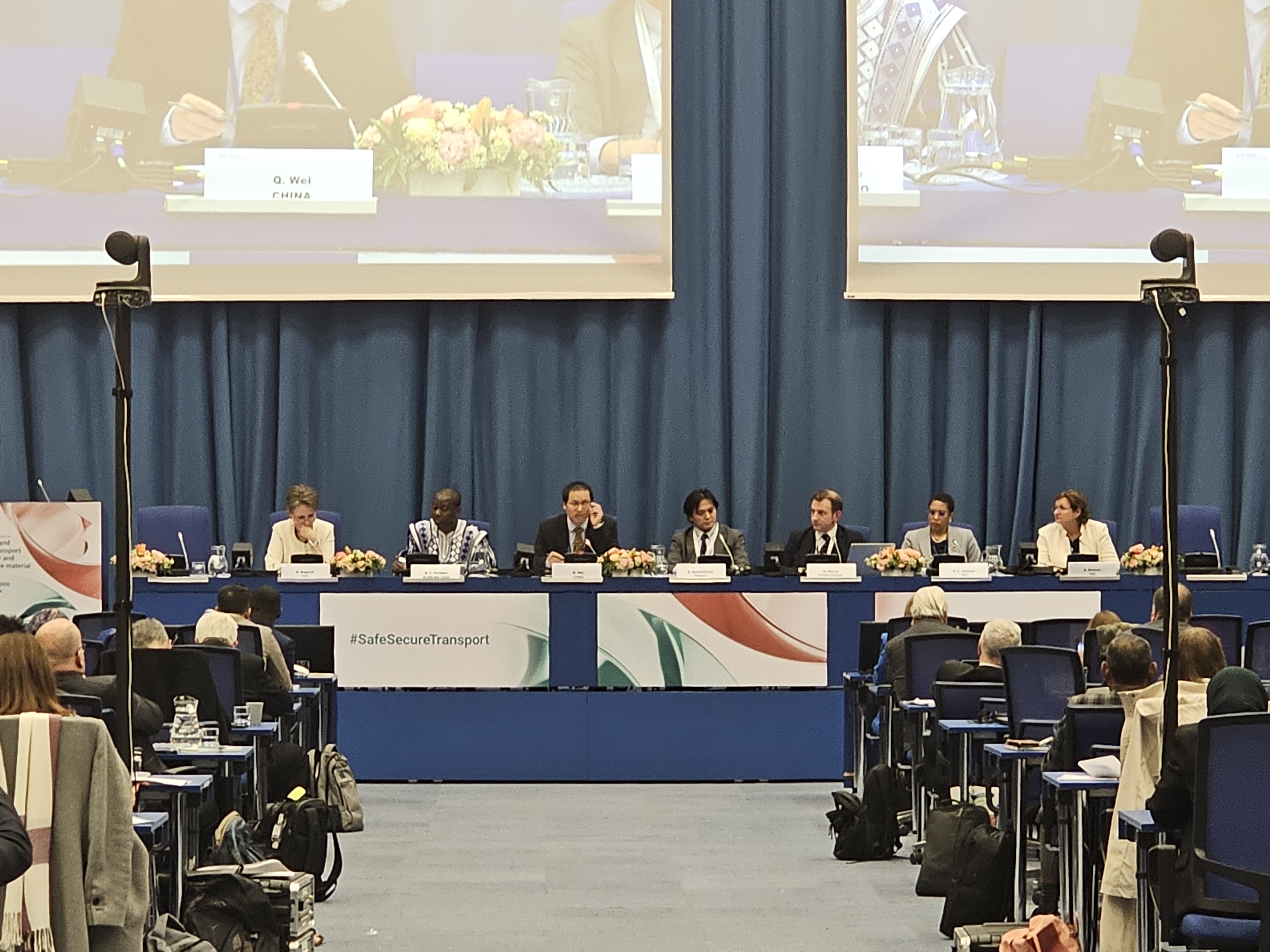
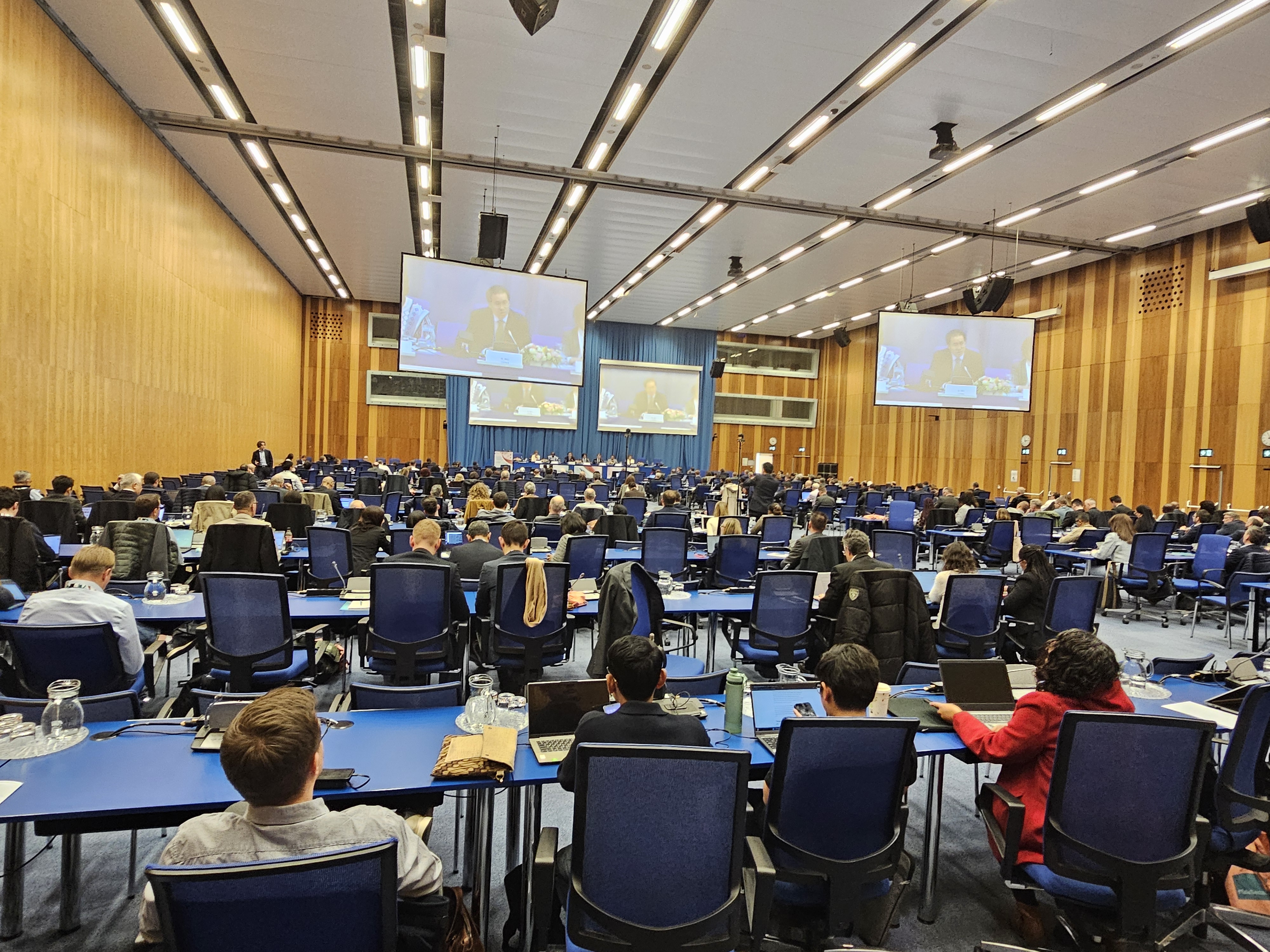
The International Atomic Energy Agency (IAEA) is set to host a pivotal conference from March 23 to March 27, 2026, in Vienna, Austria. This conference is significant as it focuses on the safe and secure transport of nuclear and radioactive materials, an essential aspect of nuclear safety and security that has far-reaching implications. The gathering expects to bring together nearly 500 experts and decision-makers from various sectors that utilize nuclear technology, emphasizing the importance of collaborative efforts in enhancing safety standards.
The objectives of this IAEA conference include fostering international cooperation, sharing best practices, and discussing new regulatory frameworks that ensure the protection of public health and the environment during the transport of nuclear materials. With increasing global reliance on nuclear energy and technology, the safe transport of these materials becomes increasingly critical. Incidents involving the mismanagement or mishandling of nuclear materials can have catastrophic consequences, making the discussions at this conference not only timely but essential.
This conference will serve as a platform for the exchange of knowledge and strategies to mitigate the risks associated with transporting radioactive materials. Participants will delve into topics such as enhancing safety protocols, improving tracking and monitoring systems, and fostering a culture of safety within the nuclear transport community. By addressing such vital issues, the IAEA conference aims to strengthen the frameworks governing the transport of nuclear materials while promoting confidence in the safety of international transport systems.
Importance of Safe Transport of Nuclear Materials
The safe transport of nuclear and radioactive materials is a vital aspect of modern society, underpinned by the necessity to uphold public safety and environmental protection. These materials are essential across various sectors, including healthcare, energy production, waste management, educational institutions, and industrial applications. Globally, the shipment of nuclear materials encompasses a range of substances, including medical isotopes for diagnostic and therapeutic purposes, uranium and plutonium for fuel production, and even isotopes utilized in research and development.
In healthcare, for instance, radioactive materials are pivotal in the treatment of cancer and other diseases through advanced diagnostic imaging techniques and targeted radiation therapies. The energy sector relies on the safe transport of isotopes used in nuclear power generation, which significantly contributes to the world’s energy supply. Furthermore, the management of nuclear waste necessitates the careful handling and transport of materials that may remain hazardous for thousands of years.
Given the potential risks associated with radioactive materials, it becomes paramount to implement robust safety and security measures during transport. This includes adherence to stringent regulations, thorough training for personnel, use of specialized packaging designed to withstand accidents, and constant monitoring throughout the transportation process. Ensuring that these practices are upheld not only minimizes the risk of incidents but also fosters public confidence in the nuclear sector.
Moreover, international cooperation is essential in establishing best practices in the transport of nuclear and radioactive materials. Organizations such as the International Atomic Energy Agency (IAEA) play a significant role in setting safety standards and providing guidance to countries. Ultimately, the importance of safe transport cannot be overstated, as it is crucial in safeguarding people, communities, and the environment from the potential dangers associated with nuclear and radioactive materials.
Challenges and Developments in Nuclear Transport Security
The safe transport of nuclear and radioactive materials represents a critical aspect of global security, one that is increasingly challenged by a variety of evolving threats. As geopolitical tensions rise and the proliferation of nuclear technology continues, new security risks emerge, necessitating enhanced protective measures. The dynamic nature of these threats demands continuous adaptation, as transport systems must stay one step ahead of potential adversaries.
Regulatory issues also pose significant challenges in ensuring the security of nuclear transport. Various national and international regulations govern the movement of these materials, often leading to compliance complexities that can hinder operational efficiency. Coordination among different regulatory bodies is essential to create a cohesive framework that addresses security concerns while facilitating safe transport practices worldwide. However, establishing such collaboration can be hindered by varying national interests and priorities.
Environmental considerations further complicate the landscape of nuclear transport security. Natural disasters, climate change, and other environmental factors can have a direct impact on the safety of transportation routes and methodologies. The need for robust risk assessments and contingency planning has never been more pertinent, as stakeholders must account for the potential impact of environmental challenges on the transport of hazardous materials.
Recent developments in technology and international partnerships have shown promise in addressing these multifaceted challenges. Advanced tracking systems, improved container designs, and enhanced risk assessment tools are being introduced to bolster security measures. Furthermore, strengthening regional partnerships helps to share best practices and foster a collaborative approach to nuclear transport security. By working together, nations can better navigate regulatory complexities and develop unified strategies that enhance overall safety and security in the transportation of nuclear and radioactive materials.
Key Events and Outcomes of the Conference
The International Conference on the Safe and Secure Transport of Nuclear and Radioactive Materials convened a diverse group of stakeholders, including representatives from governmental, regulatory, and industry sectors. The conference was marked by impactful sessions, beginning with the opening remarks delivered by Rafael Mariano Grossi, the Director General of the International Atomic Energy Agency (IAEA). His address emphasized the critical importance of robust safety measures and the collaborative efforts needed among nations to ensure the secure transport of nuclear materials.
Throughout the conference, several side events highlighted pertinent topics, such as a presentation on the IAEA’s Incident and Trafficking Database (ITDB). This session provided attendees with vital insights into monitoring and mitigating incidents involving nuclear and radioactive materials. By leveraging data from the ITDB, participants engaged in productive discussions regarding best practices for enhancing safety standards and regulatory frameworks surrounding nuclear transport.
As discussions progressed, key outcomes emerged, including the recognition of the need for strengthened international cooperation in nuclear regulation. Attendees expressed the significance of comprehensive training programs and knowledge sharing initiatives aimed at improving the competencies of personnel involved in the transport of these materials. Potential recommendations highlighted the necessity for ongoing research and development efforts to innovate better technologies and strategies for transport security.
Looking ahead, the implications of the conference are far-reaching. The outcomes, coupled with actionable recommendations, are anticipated to shape future regulations and practices in the nuclear transport sector. By prioritizing safety and security protocols, stakeholders envision a more resilient framework that safeguards public health and the environment while also promoting the responsible use of nuclear technology.