The Current Humanitarian Crisis in Gaza
As of November 2025, the humanitarian crisis in Gaza has reached alarming proportions following two years of intensive conflict. The toll on human life and the quality of living has been devastating, with an overwhelming number of casualties, particularly among the youngest members of society. According to recent reports, the loss of life among children constitutes a tragic percentage of the overall casualties, a stark indicator of the conflict’s disproportionate impact on the most vulnerable.
The physical destruction within Gaza is staggering. Numerous homes, schools, and hospitals—essential components of any thriving community—have been severely damaged or rendered completely unusable, contributing to a bleak landscape of despair. The already strained infrastructure has been further compromised, leaving civilians without access to essential services such as education, healthcare, and clean water. In a region where resources were limited prior to the conflict, the destruction exacerbates existing challenges, pushing families into dire situations.
Add to this the ongoing issues of hunger, disease, and trauma that plague survivors. Many individuals face severe food insecurity, while also battling the threat of infectious diseases due to inadequate sanitation and healthcare facilities. Mental health has suffered dramatically as well, with the trauma from violence and loss affecting not just adults but also children who are witnessing the repercussions of conflict at a formative stage in their development. This combination of factors creates a cycle of hardship that is difficult to escape.
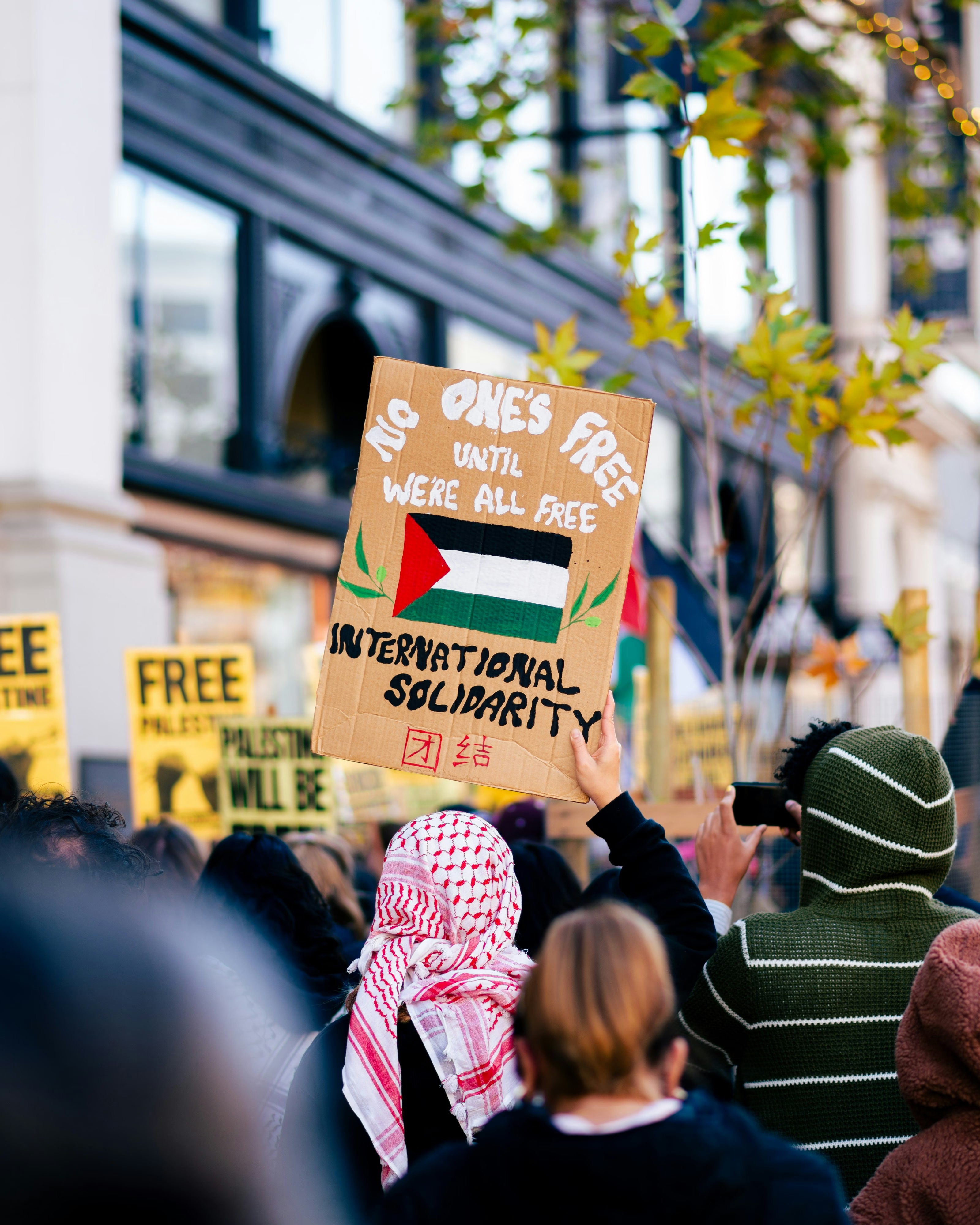
The humanitarian situation in Gaza serves as a poignant reminder of the urgent need for international solidarity and action. Addressing these challenges is imperative to restore hope and dignity to those affected by these ongoing crises.
Challenges in the Occupied Territories
The situation in the occupied territories, particularly in the West Bank and East Jerusalem, continues to pose significant challenges for the Palestinian population. Ongoing Israeli military operations have resulted in heightened tensions and instability, contributing to a precarious environment for civilians. These military actions are often characterized by incursions into Palestinian neighborhoods, excessive use of force, and large-scale arrests, which exacerbate the already fragile socio-political conditions faced by the people living in these areas.
Alongside military operations, settler violence is a pervasive issue that further complicates life in the occupied territories. Incidents of aggression by Israeli settlers against Palestinians, including physical assaults, vandalism, and intimidation, are widespread. These acts often go unpunished, creating a climate of impunity and fear. The expansion of Israeli settlements also plays a crucial role in the escalating tensions. The continuous encroachment on Palestinian land undermines prospects for peace and exacerbates the humanitarian crisis, resulting in displacement and loss of livelihoods for many families.
The human cost of this ongoing conflict is staggering. Evictions and demolitions of Palestinian homes are conducted under the pretense of legality, often destroying the lives and sense of community for countless individuals. The looming threat of annexation of further territories adds another layer of anxiety, as it may strip Palestinians of their land and rights entirely. Moreover, the challenges faced by humanitarian workers and journalists are increasingly dire, as they often become targets in this volatile environment. Tragically, many have lost their lives while trying to provide assistance or report on the realities faced by those in the occupied territories. These challenges demand urgent attention and action to bring about change and foster a climate of peace and stability for all affected populations in the region.
The Importance of International Law and Ceasefire
International law plays a crucial role in the context of the ongoing conflict, particularly in framing the necessary standards for a just and lasting resolution. The principles established by numerous treaties and conventions outline the obligations of states and non-state actors, emphasizing the need for respect for human rights, the protection of civilians, and the prohibition of acts of aggression. These legal frameworks serve as a foundation for the efforts towards peace and coexistence, as they provide clear guidelines that should govern the conduct of all parties involved in the conflict.
The recent ceasefire represents a potential turning point amid the ongoing turmoil, signaling a moment where diplomatic efforts can redirect the focus toward constructive dialogue. For the ceasefire to be meaningful, it is imperative that all parties respect its terms and fully commit to halting hostilities. This commitment not only fosters an environment conducive to negotiations but also plays a vital role in enabling humanitarian access to the populations in need, particularly those in Gaza. The adherence to a ceasefire allows humanitarian aid organizations to function effectively, providing essential services and support to the affected communities.
Ensuring the availability of humanitarian aid remains a pressing priority, as it is closely tied to the respect for international legal standards. The recent conflicts have led to a dire humanitarian situation that requires immediate and sustained attention. Actions that align with international law, such as the return of hostages and support for the United Nations Relief and Works Agency for Palestine Refugees in the Near East (UNRWA), are essential. Supporting UNRWA is crucial in delivering vital services to the Palestinian population and addressing the humanitarian needs exacerbated by prolonged conflict. Achieving a sustainable solution involves a concerted effort to adhere to international law and the principles of justice, peace, and human dignity.
A Call to Solidarity and Action for Peace
The International Day of Solidarity with the Palestinian People is a significant occasion to reflect on the longstanding issues faced by Palestinians and to commit to action that promotes dignity, justice, and self-determination. The resilience of the Palestinian people in the face of adversity serves as a powerful reminder of the need for solidarity from the international community. Every human being has the right to live in peace and security, free from oppression and violence, and the rights of Palestinians deserve recognition and support. Their struggle for dignity and justice must not be overlooked, and it is our collective responsibility to stand in solidarity with them.
A pivotal step toward addressing the complexities of the Israeli-Palestinian conflict is to advocate for a two-state solution. This proposal has garnered support from numerous international resolutions, reflecting a consensus on the necessity for a negotiated resolution to achieve lasting peace. The establishment of an independent Palestinian state existing alongside Israel is fundamental for ensuring the rights and aspirations of both peoples are met. It is critical that the global community prioritizes dialogue and fosters an environment conducive to peaceful negotiations. Understanding the historical context of the conflict is essential in recognizing the pathways that can lead to sustainable peace.
Encouragingly, many individuals, organizations, and governments are mobilizing to support initiatives that promote coexistence and respect for human rights in the region. It is vital to bolster these efforts through advocacy, education, and awareness, which empower grassroots movements dedicated to peace. Collective action, driven by empathy and a commitment to justice, can create momentum toward an equitable and peaceful resolution. By joining together, we can amplify our voices and efforts, working diligently toward a future that honors the dignity of all people in the region, fostering hope and reconciliation. Together, we can build a sustainable path forward for both Israelis and Palestinians, grounded in respect and shared humanity.