

The Current Landscape of Energy and Climate Challenges
The contemporary landscape of energy and climate challenges is complex and multifaceted, significantly impacting global sustainability efforts. The volatility in energy supply has emerged as a major concern for many nations. Fluctuations in energy prices, exacerbated by geopolitical tensions and market disruptions, have undermined energy security, prompting nations to reconsider their energy portfolios. This has heightened competition for fossil fuels and pivotal transition materials, as countries strive to secure resources critical for their energy transitions.
Moreover, new forms of protectionism are shaping the international energy market. Nations are increasingly adopting policies aimed at shielding their domestic industries from foreign competition, which can hinder the collaborative efforts necessary for addressing climate change. Such protectionist measures not only disrupt global supply chains but also stall the necessary investments in renewable energy technologies, thereby delaying the transition to a low-carbon economy.
Ongoing energy poverty remains another pressing challenge, with millions lacking access to affordable and reliable energy sources. This situation exacerbates social inequalities and hampers economic development, particularly in developing regions where energy is a prerequisite for basic services and growth. Addressing energy poverty is critical to achieving inclusive and sustainable development goals.
Additionally, the adverse effects of climate change on infrastructure cannot be overlooked. As extreme weather events become more frequent, critical infrastructure such as roads, bridges, and energy systems face increased vulnerability. The resulting damages impose significant economic costs and jeopardize the ability of communities to adapt to changing climate conditions.
In conclusion, the interplay between these energy and climate challenges reveals an urgent need for comprehensive strategies that foster resilience and sustainability. Only through concerted global efforts can we hope to navigate the complexities of the current energy landscape.
The Role of the International Vienna Energy and Climate Forum (IVECF) 2026
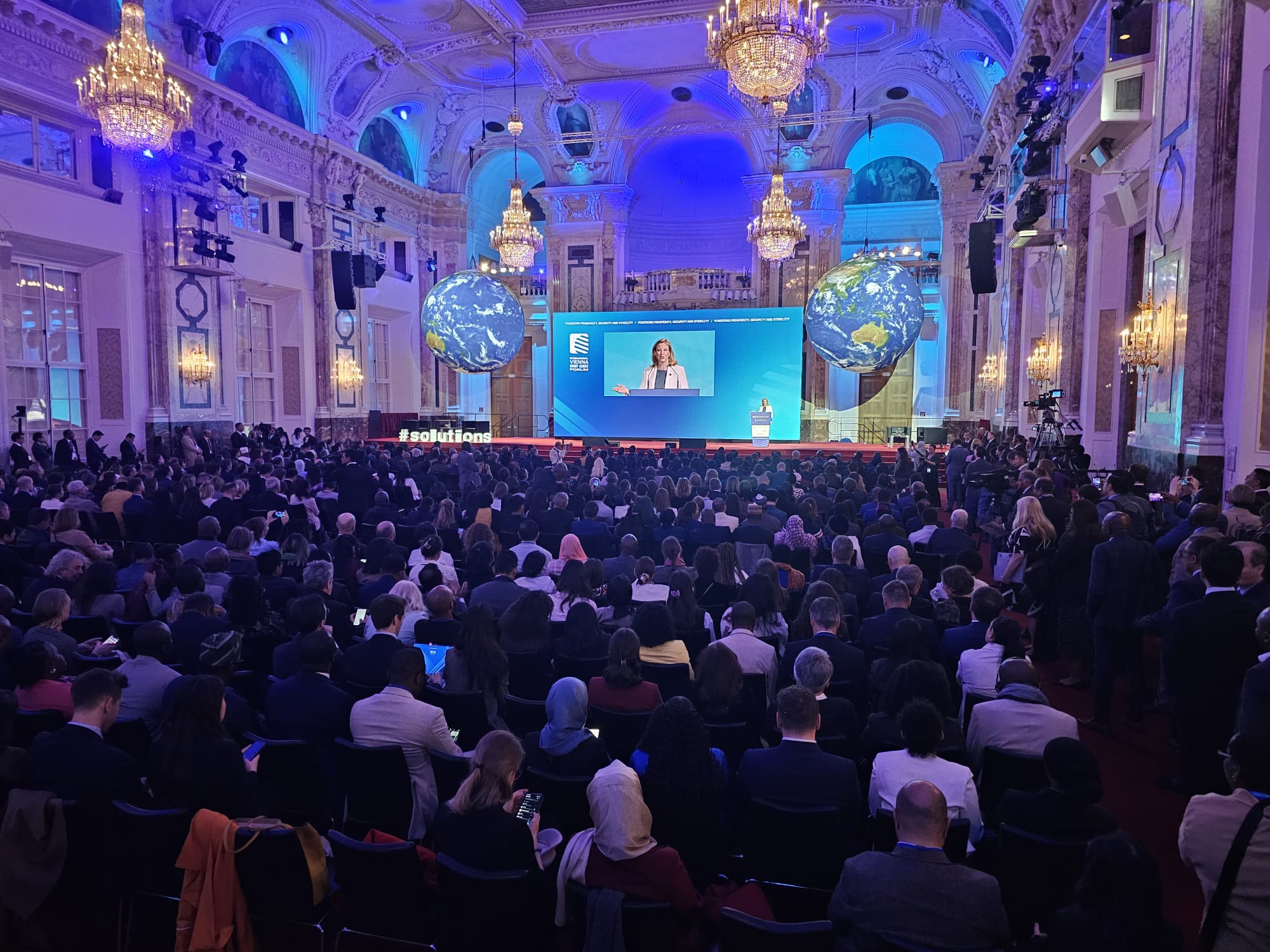
The International Vienna Energy and Climate Forum (IVECF) 2026 plays a pivotal role in fostering multilateral cooperation to address pressing issues in energy and climate. This forum serves as a vital platform for governments, non-governmental organizations, and private stakeholders to converge, discuss, and ideate solutions regarding the energy transition and climate change. A core objective of IVECF 2026 is to bridge the gap between political aspirations and actionable outcomes, ensuring that ambitious policies translate into practical implementation in the realms of energy, industry, and climate action.
One of the distinguishing features of IVECF 2026 is its commitment to integrating crucial principles such as gender equality, social inclusion, and youth participation into the discourse surrounding energy and climate initiatives. By prioritizing these elements, the forum seeks to ensure that diverse perspectives are represented and that the solutions crafted are equitable and sustainable. This approach not only enhances the legitimacy of the forum’s outcomes but also aligns with the broader goals of inclusive green industrial development.
The initiatives undertaken by IVECF 2026 will facilitate dialogue among participating states to share best practices, explore innovative technologies, and formulate collaborative projects. This collaborative spirit is essential in crafting strategies that effectively address the myriad challenges posed by climate change and the transition to more sustainable energy systems. In doing so, the forum champions a systemic approach to energy and climate action that promotes both environmental sustainability and socioeconomic resilience.
Strengthening Commitment through Strategic Sessions and Collaborations
The International Vienna Energy and Climate Forum (IVECF) 2026 is poised to make significant strides in global energy and climate policy through its carefully crafted program. This year’s forum features twelve high-level sessions, each designed to facilitate impactful discourse on various aspects of sustainable energy and green industrialization. These sessions are critical as they aim to address the pressing issues that underpin energy transition and climate action on a global scale.
By focusing on themes such as energy accessibility, technological innovation, and sustainable development, IVECF 2026 will bring together policymakers, industry leaders, and stakeholders to forge actionable strategies that not only align with but also strengthen commitments to climate goals. The forum serves as a platform that elucidates the potential of sustainable energy solutions as a driver of shared prosperity, reinforcing the importance of cooperative efforts in addressing the world’s energy challenges.
In addition to high-level sessions, the forum also incorporates complementary side-events, which offer invaluable opportunities for more detailed dialogue surrounding critical topics. These side-events facilitate discussions that delve deeper into specific challenges and solutions, allowing participants to engage in a more intimate setting. This cultivation of dialogue is essential for fostering collaboration among stakeholders, bridging gaps between policy and practice, and enhancing the collective knowledge base regarding sustainable energy.
The networking opportunities presented at IVECF 2026 further amplify these efforts, enabling attendees to connect across sectors and form strategic partnerships that can bring innovative solutions to fruition. By strengthening commitments through these well-structured sessions and collaborative endeavors, the forum aims to advance the global agenda for sustainable energy and climate resilience.
Focusing on Vulnerable Economies and Future Opportunities
The Vienna Energy and Climate Forum 2026 (IVECF 2026) has strategically positioned itself to address the pressing concerns faced by vulnerable economies, particularly the least developed countries, landlocked developing countries, and small island developing states. These regions encounter unique challenges related to energy insecurity and climate vulnerabilities, which are exacerbated by their limited resources and geographic constraints. The forum emphasizes the need for a comprehensive approach that not only acknowledges these issues but also seeks actionable solutions tailored to the specific contexts of these economies.
One of the main objectives of IVECF 2026 is to foster dialogue and collaboration among stakeholders, enabling the sharing of best practices and innovative strategies that can aid in resilience-building efforts. This includes discussions on alternative energy solutions that can help mitigate dependency on traditional energy sources, which are often fraught with volatility. By involving local communities and stakeholders in the development process, the forum aims to empower these regions to adapt effectively to climate change while promoting sustainable development.
Insights from middle-income and emerging economies further enrich the discourse at IVECF 2026. These countries often serve as incubators for innovative green industrial solutions, developing technologies that address local energy insecurity while creating pathways for economic growth. Their experiences can provide valuable lessons for more vulnerable nations as they seek to transition towards greener economies. By harnessing their ingenuity and resourcefulness, these regions can not only aim for environmental sustainability but also enhance their social and economic resilience.
Through careful consideration of the needs of vulnerable economies, IVECF 2026 underscores the necessity for inclusive and equitable energy solutions that contribute to long-term climate goals. By addressing these critical challenges directly, the forum not only opens avenues for growth and innovation but cultivates a more sustainable future for all nations involved.