

Understanding the Current Energy Landscape
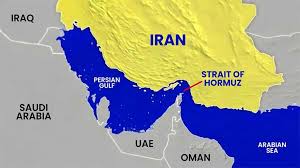
The ongoing conflict in Iran has marked a significant turning point in the global energy arena, reshaping the fundamentals of energy security. Historically, the Middle East has been a focal point for energy production, with the Strait of Hormuz serving as a critical conduit for oil shipments. Approximately one-fifth of the world’s oil supply passes through this narrow strait, making its stability paramount for global energy markets. Geopolitical tensions in this region can lead to abrupt fluctuations in oil prices, and the current situation is no exception.
Recent developments, particularly those stemming from the Iran war, have heightened concerns about potential disruptions in oil supply. As military actions intensify, key players in the energy markets are monitoring the geopolitical landscape closely. The fear of supply-chain interruptions has led to speculative trading and market volatility. This unpredictability has not only affected crude oil prices but has also reverberated through the natural gas markets, with LNG (liquefied natural gas) prices experiencing notable shifts.
Moreover, the conflict has prompted countries to reassess their energy strategies. Nations heavily reliant on oil imports from the Middle East are exploring alternative energy sources and routes to mitigate risks associated with supply disruptions. Additionally, the situation has accelerated discussions around energy diversification and self-sufficiency. The war has instigated a wave of investments in renewable energy technologies, reflecting a growing recognition of the need for a more resilient and sustainable energy framework.
The intricate dynamics of the Iran war and its direct impact on global energy markets highlight the volatility that has become a defining characteristic of the current landscape. Market participants must navigate these challenges with a keen understanding of the geopolitical implications that shape the supply and demand of oil and gas.
Market Reactions to the Iran War
The ongoing conflict in Iran has instigated significant volatility in global energy markets, primarily affecting oil prices and market stability. As tensions escalate, there is an observable increase in risk premiums associated with crude oil. These risk premiums often reflect the market’s perception of the likelihood of supply disruptions and geopolitical instability. In particular, oil prices have exhibited turbulent shifts, reflecting both immediate supply concerns and broader economic factors at play.
Market reactions can be traced to the delicate balance of supply and demand. Events in Iran, a key player in the oil industry, have implications not only for regional players but also for global energy consumers. The country accounts for a substantial portion of OPEC’s output, and any disruption in its supply chain can lead to price spikes. The initial market response has shown heightened fear among traders, who are trying to predict the future availability of oil, thus driving prices upward.
Furthermore, it is essential to recognize that the fluctuation of oil prices also has long-term implications for consumer behavior and overall economic stability. Higher oil prices can lead to increased transportation and production costs, which inevitably translate into higher consumer prices for goods and services. Consequently, central banks may face pressure to reconsider monetary policies in order to mitigate inflationary risks, which can further complicate the economic landscape.
In summary, as experts like Dr. Carole Nakhlé analyze the unfolding situation, the intricate relationship between geopolitical events, market sentiment, and economic variables will remain crucial in understanding the ongoing disturbances in global energy markets. The pursuit of balance in oil supply and a stable market environment is increasingly challenged by external uncertainties, necessitating close monitoring by stakeholders worldwide.
The Broader Economic Implications of Escalating Conflict
The ongoing conflict in Iran has far-reaching implications that extend beyond its immediate geographical confines, significantly impacting global energy markets and economic stability. As a vital player in the energy sector, Iran’s potential disruptions to oil and gas supply chains could create a ripple effect across various global economies. Fluctuations in energy prices will likely lead to increased costs for manufacturers, especially those heavily reliant on petroleum products for production processes. For nations that import oil, persistently high prices can squeeze profit margins and lead to inflated prices for consumers.
Moreover, the escalating tensions in the region can disrupt transportation networks, which are crucial for the timely delivery of goods. The Strait of Hormuz, a strategic chokepoint through which a significant percentage of the world’s oil supply is transported, becomes particularly vulnerable during periods of conflict. This vulnerability raises concerns about shipping routes, potentially delaying shipments and increasing costs for companies engaged in both import and export activities. Consequently, this has a multiplying effect on supply chains that rely on these energy resources, ultimately affecting the broader manufacturing sector.
Consumer markets are not immune to the implications of rising energy costs. Increased transportation expenses typically lead to higher prices for goods, resulting in decreased consumer spending power. Households may prioritize essential goods and services, which can further impact the revenue of businesses across various sectors. Given the interconnectedness of the global economy, these localized effects can propagate, triggering slower economic growth in larger economies and potentially causing recessions in more vulnerable ones.
In summary, the complexities of the Iran conflict encapsulate a potential crisis for global economic stability. The implications of energy supply disruptions could lead to significant macroeconomic challenges, undermining both local and global financial health if the situation remains unresolved for an extended period.
Future Outlook and Strategies for Sustainability
The ongoing geopolitical tensions, particularly as they relate to the Iran War, have profound implications for the global energy market. Looking ahead, it is essential for nations to prioritize pathways toward diplomatic resolutions that can alleviate conflicts while enhancing cooperation in energy production and distribution. A bilateral or multilateral engagement approach could potentially stabilize oil prices, thereby benefiting economies reliant on oil exports and imports.
Additionally, the feasibility of energy independence is becoming increasingly critical as countries face disruptions in their energy supply chains. Nations with diversified energy portfolios, utilizing renewable sources such as wind, solar, and hydro, are better positioned to weather geopolitical shocks. Investments in alternative energy technologies not only promise sustainability but can also reduce over-reliance on volatile fossil fuels.
To bolster energy security, it is advisable for governments and corporations to implement strategic measures such as forming alliances with other countries, investing in domestic energy production, and developing infrastructure that enhances energy storage and distribution capabilities. Emphasis should also be placed on enhancing energy efficiency, which would reduce overall consumption without compromising economic growth.
Moreover, adapting to changing energy demands is crucial. The shift toward electrification, coupled with the growth of electric vehicles and smart grids, is expected to reshape the energy landscape. Policymakers must prioritize sustainable energy policies that anticipate future demands while ensuring environmental accountability.
In conclusion, the future of the global energy market hinges on a combination of diplomatic efforts, energy diversification, and sustainable practices. By focusing on these areas, nations can effectively navigate the uncertainties posed by ongoing geopolitical tensions while aiming for a more secure and stable energy future.