
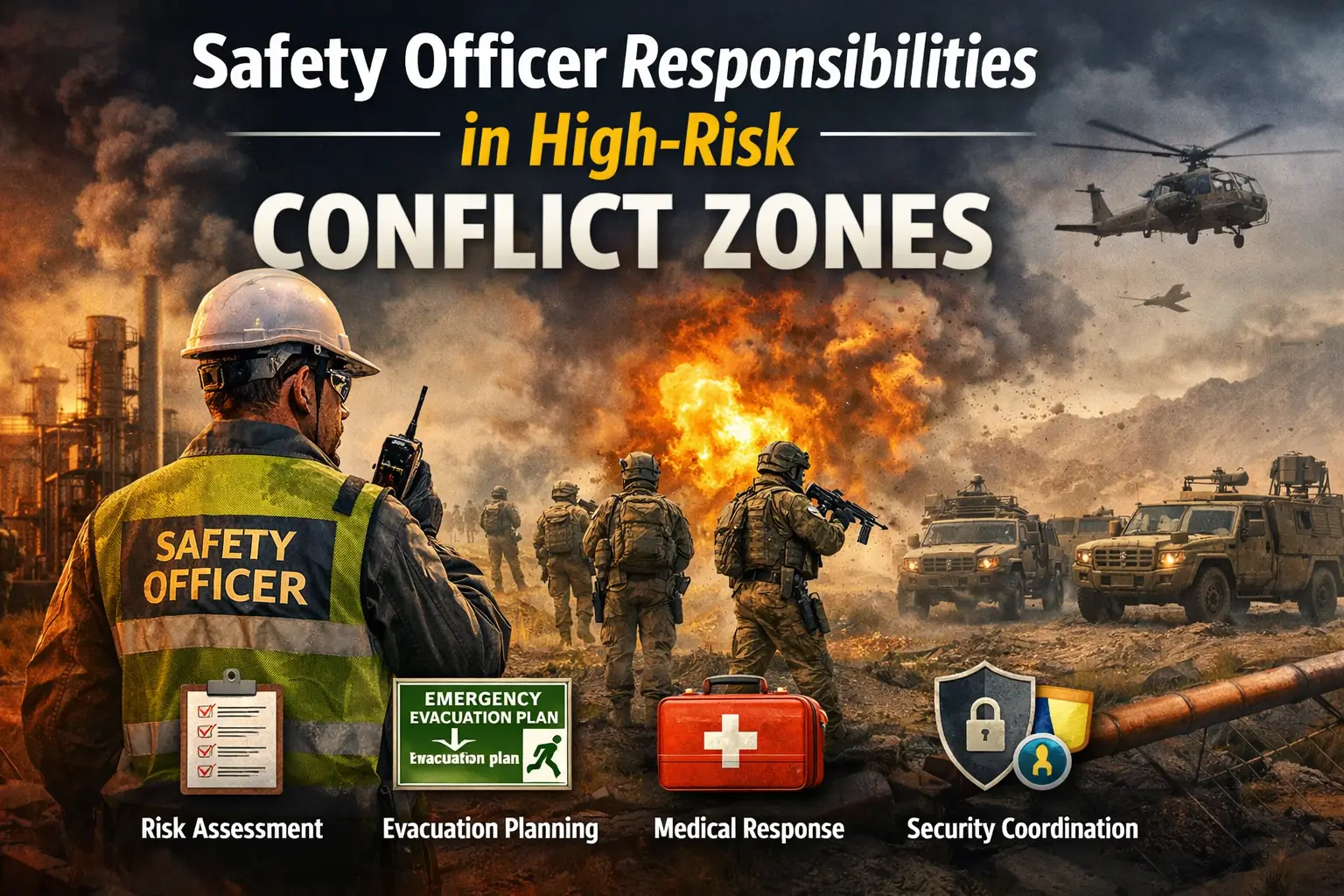

The Current State of Nuclear Safety in Conflict Areas
Nuclear safety in conflict zones remains a significant concern for international security. Regions such as Ukraine and parts of the Middle East have seen military actions that pose unprecedented risks to nuclear facilities. The ongoing conflict in Ukraine, particularly around the Zaporizhzhya Nuclear Power Plant, exemplifies the perils faced by critical infrastructures in war-torn areas. This facility, one of the largest nuclear power plants in Europe, has been subjected to military engagement, raising alarms about possible nuclear incidents.
The impact of warfare on nuclear safety cannot be understated. Bombardments or troop movements around such facilities can lead to structural damage or operational failures, which compromise their safety and reliability. For instance, any disruption to the cooling systems or containment structures could potentially lead to catastrophic scenarios, similar to past nuclear accidents. Thus, maintaining nuclear safety protocols amidst armed conflict is crucial to prevent disastrous outcomes.
The International Atomic Energy Agency (IAEA) emphasizes the need for stringent safeguarding measures for nuclear facilities situated in conflict zones. According to the IAEA, military activities near these facilities threaten not only the safety of the plants but also the surrounding civilian population. Furthermore, the agency has underscored the importance of dialogue among conflicting parties to ensure a preservation framework aimed at protecting nuclear infrastructures.
Attacks on nuclear facilities could result in severe humanitarian and environmental consequences, impacting regions far beyond the immediate conflict area. As military tensions rise, the international community must prioritize nuclear safety and engage in concerted efforts to mitigate threats to nuclear energy infrastructures. The risk of escalation makes it imperative for all stakeholders to recognize the vital importance of safeguarding these facilities to prevent a nuclear crisis during armed conflicts.
The Role of the IAEA: Ensuring Compliance with Safety Protocols
The International Atomic Energy Agency (IAEA) plays a vital role in promoting nuclear safety, particularly in conflict zones where existing infrastructures may become destabilized. Amid ongoing conflicts, adherence to the seven indispensable pillars of nuclear safety is paramount. These pillars include leadership and management, a robust regulatory framework, and safety assessments, among others, that collectively form a foundation for ensuring nuclear safety standards are upheld.
In conflict situations, the IAEA has been actively engaged in collaborative efforts to reinforce safety measures. One notable initiative involves facilitating dialogues with governments and authorities to establish temporary ceasefires. Such ceasefires are crucial for conducting essential repairs, performing maintenance on nuclear facilities, and ensuring that continuous operational safety protocols are effectively implemented. The agency emphasizes that these measures not only protect the infrastructure but also safeguard the surrounding populations from potential radiological hazards.
An exemplary case of the IAEA’s commitment to enhancing nuclear safety can be observed in its recent initiatives in Ukraine. Following the outbreak of hostilities, the IAEA worked tirelessly to stabilize the situation at nuclear facilities, engaging with both local and international stakeholders to address safety concerns. The agency dispatched expert teams to assess the condition of critical sites, ensuring that necessary protocols were followed to mitigate risks. These interventions illustrated the importance of global cooperation in addressing nuclear safety challenges during times of conflict.
Furthermore, the IAEA has been instrumental in sharing best practices and resources among member states. It conducts training sessions for facility operators and regulatory bodies, emphasizing the necessity of maintaining a safety-first approach regardless of external pressures. By fostering a collaborative environment, the IAEA continues to emphasize the critical need for consistent adherence to safety regulations, regardless of the ongoing geopolitical climate.
Case Studies: Specific Incidents Affecting Nuclear Facilities
Nuclear facilities in conflict zones face unprecedented risks that can significantly impact nuclear safety. The Barakah Nuclear Power Plant in the United Arab Emirates (UAE) is one such facility that has experienced direct threats as a result of regional tensions. Recent drone strikes targeting infrastructure in the vicinity of Barakah have raised alarms regarding the vulnerability of nuclear assets to modern warfare tactics. Given the potential for catastrophic outcomes should a drone successfully breach the plant’s defenses, this incident underscores the pressing need for robust security protocols and re-evaluated risk assessments.
Another prominent case is the ongoing situation involving the Chernobyl and Zaporizhzhya nuclear power plants in Ukraine. Since the onset of conflict in 2022, these facilities have been subjected to military operations, leading to heightened risks. Particularly, Zaporizhzhya, the largest nuclear power plant in Europe, has witnessed shelling and military maneuvers in its vicinity, prompting severe concerns about its operational safety and the potential for radiation leaks. As these facilities operate within a war zone, the interplay between military activity and nuclear safety creates a complex scenario, requiring constant monitoring and emergency preparedness measures from both local authorities and international watchdogs.
The immediate impacts of these incidents are profound. They not only threaten the physical integrity of the plants but also compromise emergency response capabilities. In both cases, the global community’s response has been critical. Organizations like the International Atomic Energy Agency (IAEA) have intensified their messaging on nuclear safety in conflict zones, emphasizing the need for diplomatic interventions and the establishment of safety zones around nuclear sites. Such actions aim to mitigate risks and enhance security at vulnerable installations, ensuring the safety of civilians and the environment alike.
Future Directions for Nuclear Safety in Global Politics
The evolving landscape of international relations underscores the paramount importance of nuclear safety, particularly in conflict zones. As nations grapple with geopolitical tensions, the role of nuclear power remains contentious yet crucial. Countries continue to invest in nuclear energy as a means of achieving energy security and reducing dependency on fossil fuels, further complicating the discourse surrounding nuclear safety within an era marked by military aggressions.
The challenges of maintaining nuclear safety amidst rising conflicts cannot be overstated. Incidents involving military actions near nuclear facilities raise alarms about the potential for catastrophic events. Consequently, nations must formulate robust protocols to ensure the safe operation of nuclear plants, especially when they are located in or near conflict zones. These protocols should include detailed contingency plans, regular safety drills, and stringent measures to counteract potential threats from armed conflicts.
In response to these multifaceted challenges, the global community increasingly recognizes the significance of nuclear non-proliferation treaties and safeguards. Engaging in dialogue through platforms such as the Treaty on the Non-Proliferation of Nuclear Weapons (NPT) is vital for promoting accountability among nuclear-armed states and fostering an environment conducive to disarmament. The emphasis on transparency and mutual trust between nations is essential in mitigating the risks associated with nuclear proliferation in volatile regions.
Looking ahead, upcoming international conferences provide a vital arena for discussing the future of nuclear safety. By bringing together policymakers, industry leaders, and safety experts, these gatherings foster cooperation and innovation in nuclear safety measures. Furthermore, they address the imperative need for collaborative approaches to confront the challenges posed by nuclear safety in a world facing both entrenched conflicts and new geopolitical rivalries.