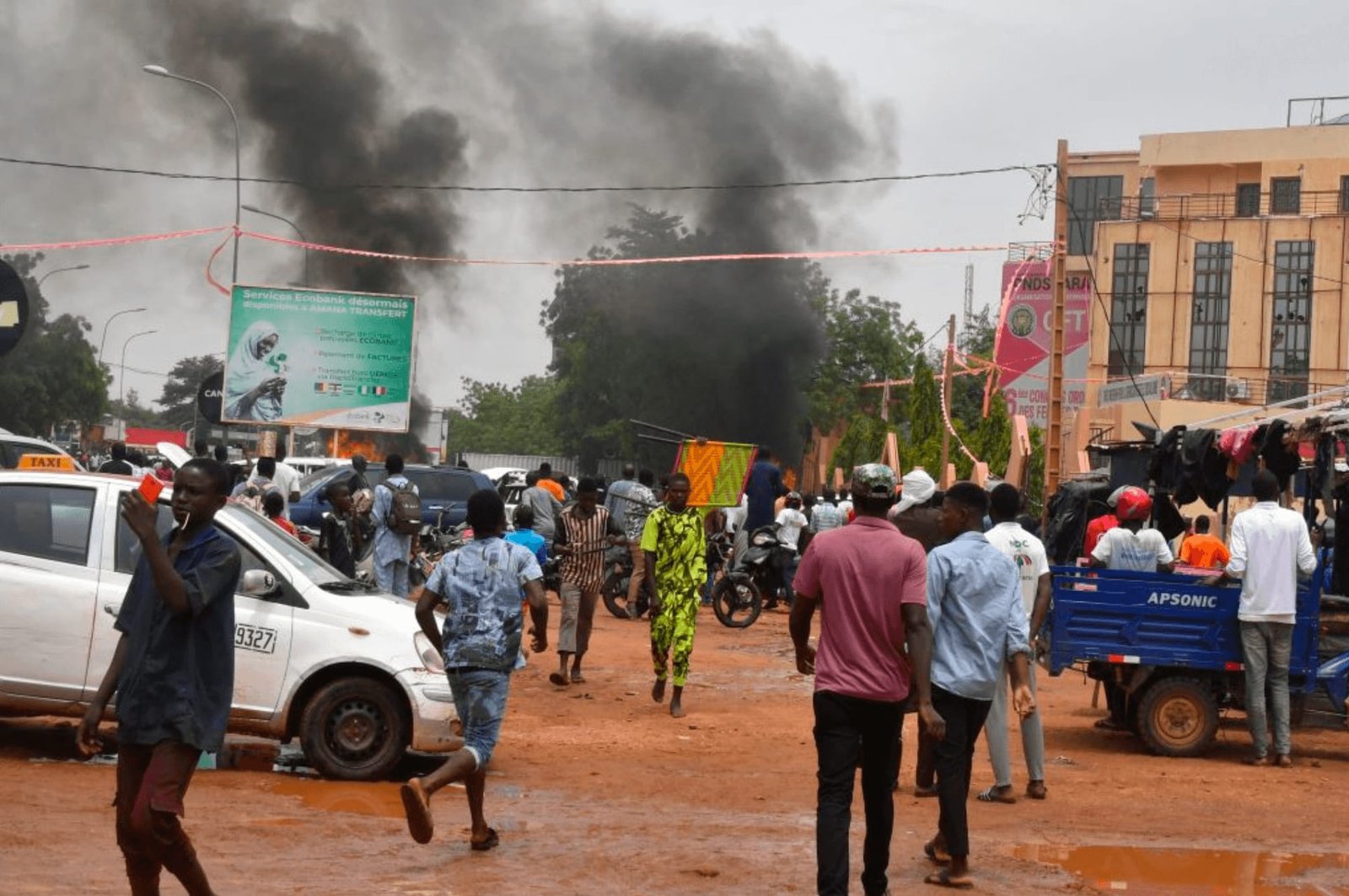

On February 3, 2026, Kwara State, Nigeria, witnessed a devastating terrorist attack that left the local community in shock and mourning. Reports indicate that armed militants stormed several villages in the region, targeting residential areas as well as local markets. This incident resulted in the tragic loss of at least 50 lives, while dozens more sustained injuries from the violent onslaught. Accompanying this loss of life, the attack also led to considerable property damage, with numerous homes and businesses either destroyed or severely damaged. The casualties reflect not only the immediate human cost but also the profound emotional toll on families and the community.
This recent attack is set against a backdrop of escalating violence in Nigeria, where various terrorist groups have increasingly made their presence felt. The rise in jihadist activities, particularly by factions affiliated with Boko Haram and ISWAP, underscores a broader security crisis that has plagued the nation. This situation has prompted the international community to take notice of the urgent need for effective counter-terrorism strategies and support for the Nigerian government. Furthermore, the Kwara State attack has struck a nerve beyond local borders, highlighting the global implications of terrorism that demand a concerted response from nations worldwide.
The impact of such attacks reverberates throughout the affected regions, leading to heightened fear and insecurity among residents. Ongoing terrorist activities not only disrupt daily life but also hinder economic development, displace populations, and engender a lingering atmosphere of distrust. As the Nigerian government grapples with these persistent challenges, the focus remains on strengthening security measures to prevent future incidents and protect vulnerable communities from the scourge of terrorism.
The Security Council’s Firm Stance
The recent attack in Nigeria has prompted a resolute reaction from the United Nations Security Council, emphasizing its collective disapproval of terrorism in all its forms. Led by President James Kariuki, the Council members expressed their condolences to the victims and their families while asserting that such heinous acts are unacceptable and demand a unified stance against terrorism. This condemnation underscores the Council’s unwavering commitment to safeguarding international peace and security.
During the emergency meeting convened in response to the tragic incident, representatives from various nations articulated their condemnation, asserting that terrorism poses a direct threat to the stability of nations and the safety of their citizens. The dialogue within the Council revealed a shared understanding that acts of terror breed instability, fear, and division, which detracts from the collective efforts to maintain peace.
The security concerns articulated by Council members reflect a holistic view of the global challenge posed by terrorism. It was prominently noted that nations must cooperate more decisively to dismantle terrorist networks, share intelligence, and strengthen collaborative measures to prevent future attacks. The Council members highlighted that the fight against terrorism demands not only military assistance but also a commitment to addressing the underlying causes that fuel radicalization.
Furthermore, the Security Council reaffirmed the necessity for a comprehensive approach encompassing counter-terrorism strategies and addressing humanitarian needs. Members emphasized that peace is predicated not only on the absence of violence but also on the presence of social and economic stability. In this regard, the Council’s response signals a robust dedication to countering terrorist threats and fostering an environment conducive to lasting peace.
International Obligations and Cooperation
The international community holds a pivotal role in effectively combating terrorism, particularly in response to grave incidents such as the recent attack in Nigeria. This responsibility is not only a moral imperative but is also codified in various international laws and resolutions that compel states to take action against terrorist activities. The Security Council has emphasized the necessity for enhanced cooperation with the Nigerian government in the aftermath of this tragic event, reiterating the global consensus against terrorism as a violation of human rights and dignity.
International frameworks such as the United Nations Global Counter-Terrorism Strategy underscore the obligations of member states to prevent and combat terrorism. This strategy advocates for a coordinated approach, ensuring that nations share intelligence and best practices in addressing the multifaceted challenges posed by terrorism. By fostering bilateral and multilateral cooperation, states can build capacity to address not only the immediate threats but also the underlying factors that contribute to the radicalization of individuals.
Moreover, resolutions like Security Council Resolution 1373 outline specific duties for member states, such as the enforcement of laws to combat terrorism financing and the sharing of information regarding potential terrorist threats. Such legal instruments are crucial as they create a solid framework for international collaboration, ensuring that justice is sought for victims and that perpetrators are held accountable. The Security Council’s call for solidarity with Nigeria highlights the essence of collective responsibility, illustrating that effective counter-terrorism efforts require a unified stand against such heinous acts on a global scale.
The swift and coordinated response to terrorism not only serves justice for victims but also strengthens international norms against acts of violence. Broadening the scope of cooperation among diverse nations can lead to significant advancements in the global fight against terrorism, reinforcing the belief that a collaborative approach is essential in this era of unprecedented challenges.
The Unyielding Fight Against Terrorism
The recent attack in Nigeria serves as a somber reminder of the persistent threat posed by terrorism, necessitating a robust and unified response from the global community. The United Nations Security Council has issued a strong condemnation of such acts, emphasizing the need for a resolute approach to combatting terrorism. In this context, it is paramount to address the underlying factors that contribute to the rise of extremist ideologies. The Council has reaffirmed that a comprehensive strategy must incorporate not only immediate security measures but also long-term solutions that target the root causes of terrorism.
Essential to this strategy is the commitment to uphold human rights and humanitarian laws. The Security Council has reiterated its belief that in the fight against terrorism, states must ensure that their actions comply with international legal standards, thereby preventing further alienation of affected communities. Acts of terrorism do not occur in a vacuum; they often arise from grievances that require attention and resolution. By focusing on prevention, states can deter individuals from becoming recruits for terrorist organizations, thereby ensuring a more sustainable, peaceful future.
The call for accountability and justice for the perpetrators of terrorist acts is equally critical. The Security Council has made it clear that those who commit these heinous crimes must be held accountable under the law. This not only serves as a deterrent but also provides a measure of justice for the victims and their families, fostering resilience in communities that have suffered from violence. Furthermore, acknowledging and addressing the root causes of terrorism, while ensuring respect for human rights, paves the way for effective counter-terrorism measures that are both fair and just.