

Overview of International Drug Control Conventions
The structure of international drug control is primarily founded upon three key conventions that have shaped drug policies globally since their inception in the early 20th century. These conventions are the Single Convention on Narcotic Drugs (1961), the Convention on Psychotropic Substances (1971), and the United Nations Convention Against Illicit Traffic in Narcotic Drugs and Psychotropic Substances (1988). Each of these treaties was established in response to the growing concerns regarding drug misuse and trafficking, reflecting both the historical context of their times and the evolving nature of drug abuse and its consequences.
The Single Convention on Narcotic Drugs is often regarded as the cornerstone of international drug control. Adopted in 1961, it aimed to consolidate previous treaties and established a framework for the legal regulation of narcotic substances. Its primary purpose is to ensure that the use of narcotic drugs is restricted strictly to medical and scientific purposes, thereby promoting public health while also attempting to curtail the illicit drug trade.
In 1971, the Convention on Psychotropic Substances followed suit by addressing the emerging patterns of abuse concerning a new class of drugs—psychotropic substances. This convention recognized the dangers posed by such substances and created a classification system similar to that of the 1961 Convention, reinforcing the international community’s commitment to tightly regulating both narcotics and psychotropic drugs.
Lastly, the 1988 United Nations Convention Against Illicit Traffic in Narcotic Drugs and Psychotropic Substances represents the third major milestone, reinforcing international cooperation by implementing stricter measures against drug trafficking and introducing penal sanctions to combat these illegal activities. Together, these conventions illustrate the international community’s ongoing commitment to tackling drugs while addressing emerging challenges, controversies, and amendments over nearly six decades.
Achievements and Tangible Effects of Cooperation
International cooperation has yielded significant successes in the realm of drug control, reflecting a concerted effort among nations to combat the complex challenges posed by drug trafficking and abuse. The latest annual report from the International Narcotics Control Board (INCB) provides compelling evidence of these achievements. For instance, global drug seizures have shown a marked increase, with a reported 30% rise in the confiscation of illicit substances over the past year. This improvement is largely attributed to collaborative operations and intelligence sharing among member states.
Moreover, countries have noted substantial declines in drug-related health issues, due in large part to improved access to addiction treatment and harm reduction services, spurred by joint initiatives. The report details that nations participating in cooperative programs have experienced a 25% reduction in drug overdose fatalities compared to those operating independently. This highlights how unified approaches can lead to more effective health outcomes and societal stability.
In addition, legislative reforms prompted by international norms and guidelines have transformed national drug policies, ensuring that they are aligned with global best practices. Many countries have implemented stricter penalties for trafficking, as well as enhanced preventative measures aimed at reducing the demand for illicit drugs. Statistics indicate that these changes have contributed to a 15% decrease in drug usage rates across participating countries. Such outcomes illustrate the tangible benefits arising from international cooperation in drug control.
Ultimately, the efforts seen in recent years underscore the vital role of collaboration in addressing the pervasive issues of drug trafficking and its societal effects. The reported successes affirm that coordinated action is essential for sustaining progress in global drug control.
Challenges in Global Drug Control Efforts
The landscape of global drug control is intricately shaped by a myriad of challenges that hinder the effectiveness of international cooperation. One of the most pressing issues stems from the varying national policies regarding drug regulation. Countries often have divergent approaches to drug use and trafficking, influenced by cultural, economic, and political factors. This inconsistency complicates the creation of a cohesive international strategy, resulting in gaps in enforcement and compliance.
Moreover, socio-economic factors play a critical role in shaping the drug control environment. In many regions, economic instability and poverty drive individuals towards the drug trade as a means of survival. This socioeconomic disparity is challenging to address at the international level, where policies may not align with local contexts. Consequently, efforts to strengthen global drug control may not receive the necessary support from communities affected by these issues.
Additionally, the complexities of international law exacerbate the obstacles to effective drug control. While numerous conventions aim to unify global drug regulations, their implementation often faces challenges due to differing interpretations and levels of commitment among nations. Legal frameworks may vary significantly, leading to inconsistent enforcement actions and a lack of cooperation in cross-border challenges.
Expert insights indicate that these challenges are not merely logistical; they are deeply rooted in the socio-political dynamics of individual nations. The tension between national sovereignty and the global agenda for drug control often leads to resistance among states. Understanding these multifaceted challenges is essential for developing comprehensive strategies that promote effective collaboration in combatting illicit drug activities on a global scale.
The Future of Global Drug Policy: Enhancing Cooperation
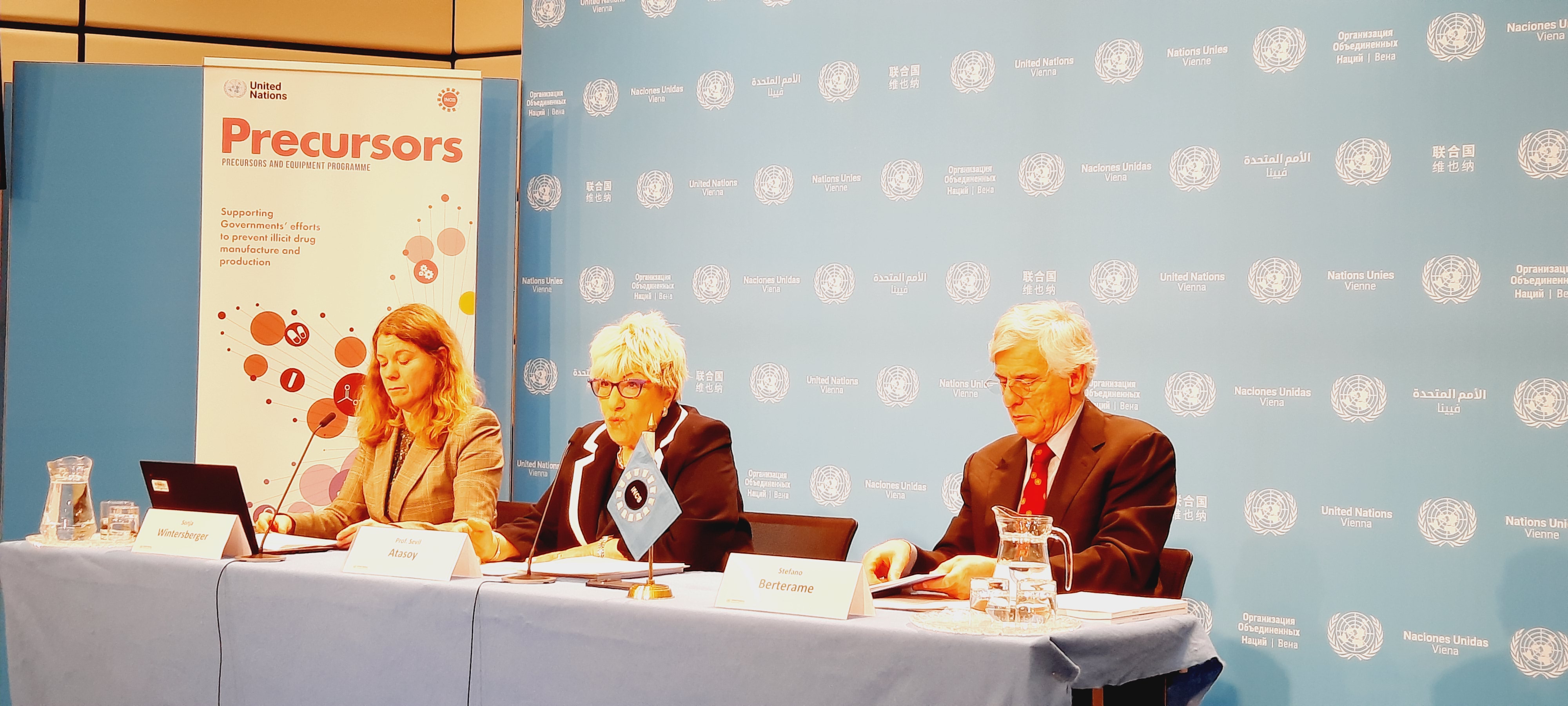
The landscape of global drug policy is evolving, and with it comes the imperative for enhanced international cooperation. As illicit drug trafficking continues to undermine societal structures across continents, the call for cohesive action is louder than ever. INCB President Professor Sevil Atasoy has emphasized the importance of collaborative frameworks that not only strengthen law enforcement but also ensure the sustainable access to essential medicines for all populations. In this context, the development of innovative strategies is paramount.
One effective approach involves the establishment of multilateral agreements that facilitate information sharing and resource allocation among nations. Such cooperation can lead to the development of comprehensive databases that track drug trafficking routes and trends, thereby allowing countries to anticipate and combat emerging threats more efficiently. The nuances of global drug markets require a unified response that transcends borders, which is achievable through sustained diplomatic engagement and shared objectives.
Moreover, enhancing training programs for law enforcement agencies across different countries can foster a more capable and unified response to the challenges posed by drug-related crimes. International cooperation can be expanded through initiatives that promote capacity building, ensuring that all nations, regardless of economic resources, can equip their officials with the necessary skills to combat trafficking and abuse effectively.
Civil society also plays a crucial role in this framework. By involving grassroots organizations in policy development and implementation, governments can ensure that the voices of those affected by drug trafficking and addiction are heard and considered. This inclusive approach will help build trust and enhance the legitimacy of drug policies.
In summary, the future of global drug policy hinges on the ability of nations to collaborate seamlessly. By adopting comprehensive strategies that promote international cooperation, we can expect to see more effective responses to drug trafficking, while also safeguarding the crucial access to medicines for populations in need.