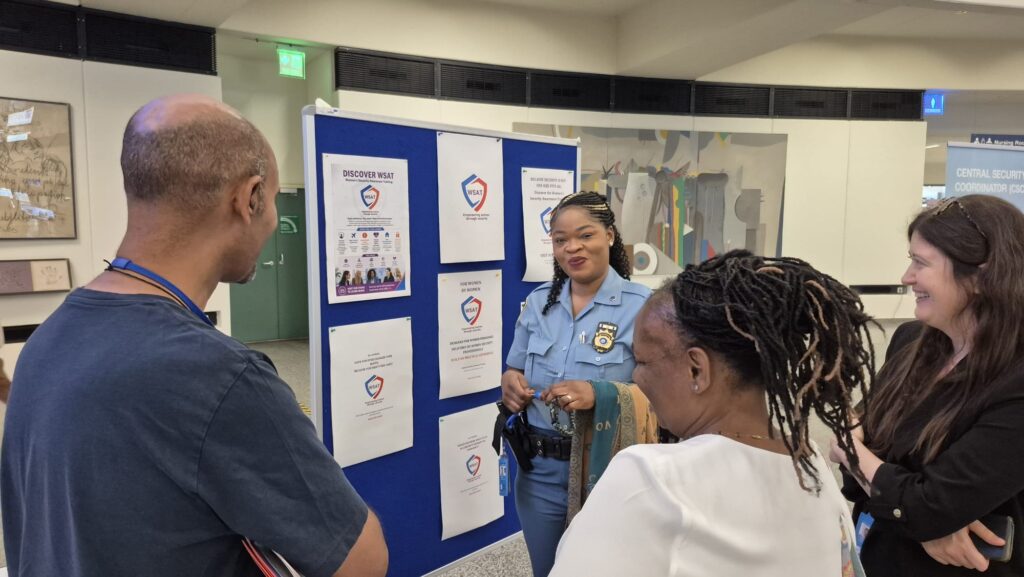

The Reaffirmation of Commitment
The growing complexity of global society necessitates a rejuvenated commitment to the principles of protection and safety for all community members, especially the most vulnerable. Various factors—such as socio-economic disparities, systemic discrimination, and unexpected crises—can disproportionately affect specific groups, rendering them more susceptible to violence and crime. Hence, it is imperative for law enforcement agencies to reaffirm their dedication to serve and protect every individual, with particular attention to marginalized communities.
This collective commitment not only enhances public trust but also fosters a sense of shared responsibility among community members and law enforcement alike. A transparent and accountable approach within law enforcement agencies is essential to establish stronger ties with the communities they serve. By incorporating regular community engagement initiatives, law enforcement can better understand local issues and the challenges faced by vulnerable populations, creating an adversarial yet constructive dialogue aimed at building a safer environment for all.
Furthermore, law enforcement must actively participate in partnerships with local organizations that specialize in advocating for vulnerable groups. These collaborations can lead to innovative solutions tailored to meet the specific needs of these communities, thereby strengthening the overall safety framework. Engaging with activists, social workers, and community leaders helps ensure that law enforcement remains not only a protector but also an ally for those requiring additional support.
Emphasizing the need for ongoing training in cultural competency and crisis intervention equips law enforcement officers with essential skills to handle diverse situations effectively. Through such measures, the reaffirmation of commitment to protecting every member of society becomes more than a mere statement; it transforms into a fundamental operational goal. Upholding these commitments can significantly contribute to the broader aim of developing societies that value safety, inclusivity, and justice, which ultimately benefits everyone.
Addressing Vulnerability and Marginalization
Vulnerability and marginalization are critical issues that significantly affect various groups within society, creating disparities in access to justice and protection under the law. These challenges are compounded by numerous factors, including conflict, climate change, and systemic inequalities. Women, children, refugees, and persons with disabilities are disproportionately impacted, facing unique barriers that heighten their vulnerability in times of crisis.
In regions affected by prolonged conflicts or civil unrest, the safety and security of marginalized populations are severely threatened. Women and children often experience heightened risks of violence, exploitation, and discrimination, leading to long-lasting trauma and displacement. The presence of armed groups in conflict zones can result in direct threats to their physical safety, and the absence of effective law enforcement mechanisms leaves these individuals without adequate protection.
Climate change exacerbates existing vulnerabilities as natural disasters frequently lead to displacement and loss of livelihoods. Marginalized communities often lack the resources to recover or adapt, resulting in further marginalization. For instance, disabled individuals may find it substantially more challenging to access essential services during and after such events, highlighting a critical area where law enforcement and humanitarian efforts must improve.
Systemic inequality perpetuates cycles of marginalization within society, rooted in historical contexts that often ignore the voices of those in vulnerable positions. Access to legal frameworks and protections may be limited for certain groups, further entrenching social inequities. Addressing these inequalities requires comprehensive policy interventions that not only acknowledge the specific needs of marginalized populations but also empower them through community engagement and inclusive legal practices.
In conclusion, to strengthen global solidarity in law enforcement, it is imperative to address the vulnerabilities faced by marginalized groups actively. Effective strategies should prioritize the needs of women, children, refugees, and persons with disabilities, fostering resilience and promoting equitable access to justice for all individuals in society.
The Role of International Police Collaboration
International police collaboration has become increasingly essential in the contemporary law enforcement landscape. With crime syndicates transcending national borders, the need for coordinated efforts among law enforcement agencies worldwide is paramount. These partnerships not only facilitate a more effective response to transnational crime but also protect and assist victims more comprehensively.
Through collaboration, various law enforcement agencies can combine their resources, expertise, and information, creating a reinforced network dedicated to combating common threats. This cooperative approach enables jurisdictions to share intelligence, which is crucial in understanding and dismantling organized crime groups. For instance, when agencies collaborate, they can track the movement of criminal elements and disrupt their operations before they escalate into larger issues.
Moreover, international police collaboration significantly enhances safety measures. By engaging in joint training sessions, workshops, and conferences, law enforcement officials can exchange best practices and innovative strategies tailored to address specific local and global crime scenarios. Such initiatives cultivate a culture of shared knowledge and operational synergy, proving that a united front can lead to more robust law enforcement outcomes.
In addition to crime prevention, these collaborative efforts ensure that victims receive timely and comprehensive support. By transcending bureaucratic barriers, law enforcement agencies can implement victim assistance programs that are sensitive to the multicultural dynamics of crime. This is particularly important in cases of human trafficking and other forms of exploitation, where victims may feel isolated or hesitant to seek help.
In conclusion, the role of international police collaboration cannot be overstated. It not only strengthens the ability of law enforcement agencies to respond to complex threats but also reaffirms the commitment to safeguarding communities across the globe. Fostering global solidarity in law enforcement through collaborative efforts is essential for building safer and more resilient societies.
Ensuring Legitimacy in Law Enforcement
The legitimacy of law enforcement agencies is paramount in fostering public confidence and cooperation. For police institutions to gain and maintain community trust, it is essential that they operate under principles of fairness, accountability, and respect for human rights. A transparent justice system, where officers are held to the highest ethical standards, is fundamental to ensuring that law enforcement remains a credible and respected entity.
Fairness in law enforcement can be reflected in how officers engage with diverse communities. It necessitates training programs emphasizing cultural competency and the importance of treating all individuals with dignity and respect. When law enforcement personnel demonstrate understanding and consideration for the communities they serve, they become more relatable and trusted, thereby enhancing overall public safety and collaboration.
Accountability mechanisms are equally critical for demonstrating legitimacy. Agencies must implement robust oversight protocols that include civilian review boards, internal audits, and clear guidelines for misconduct. This approach not only deters improper behavior but also reassures the public that law enforcement will confront wrongdoing decisively. By establishing clear consequences for inappropriate actions, agencies can reinforce the message that every officer is accountable to the community they serve.
Moreover, upholding human rights should be at the forefront of law enforcement’s mission. Agencies must cultivate an environment that prioritizes the rights and well-being of all citizens, regardless of their background. This encompasses protecting individuals from discrimination, unjust treatment, and excessive use of force. It is essential for law enforcement agencies to actively engage in continual training on human rights standards and to foster dialogue within communities to better understand their concerns.
In conclusion, by emphasizing fairness, accountability, and human rights, law enforcement agencies can significantly enhance their credibility. This commitment will not only strengthen their legitimacy but also promote a safer and more cooperative relationship with the diverse communities they serve.