
Introduction to the IAEA’s Objectives in Japan
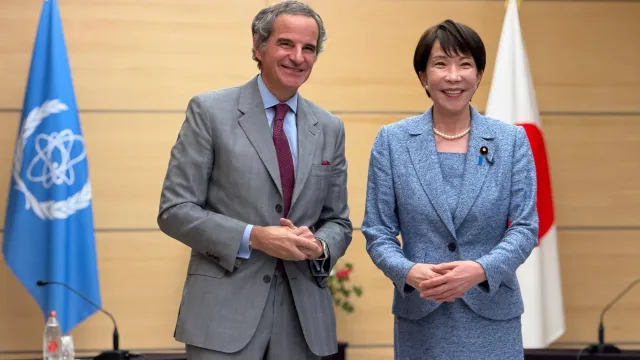
Rafael Mariano Grossi, the Director General of the International Atomic Energy Agency (IAEA), recently undertook a significant visit to Japan, marking a pivotal moment in reinforcing the collaborative efforts concerning nuclear energy and safety. The primary focus of this visit was to strengthen the ties between the IAEA and Japan, an essential partner in the global nuclear landscape. As Japan continues to navigate its post-Fukushima nuclear reality, international cooperation has become increasingly vital in ensuring the safe and responsible use of nuclear technology.
One of the foremost objectives of the IAEA’s engagement with Japan is to enhance collaboration in nuclear energy production. Given Japan’s advanced technological capabilities and the lessons learned from past nuclear incidents, there is a robust platform for sharing knowledge and best practices. The IAEA aims to foster this exchange to improve safety measures that protect both the populace and the environment.
Moreover, another critical focus area during Grossi’s visit was environmental remediation. Japan has faced ongoing challenges related to the safe management of nuclear waste and decommissioning of older nuclear facilities. The IAEA provides valuable expertise in these domains, assisting Japan in developing effective strategies that prioritize safety and sustainability.
In addition, the collaboration extends to cancer care, where nuclear technology has increasingly been utilized for diagnostics and treatment. By integrating nuclear medicine into healthcare frameworks, patients can benefit from advanced treatment options that can potentially enhance outcomes. This aspect of cooperation underscores the importance of scientific innovation in public health.
Overall, the IAEA’s objectives in Japan encapsulate a commitment to enhancing nuclear safety, promoting environmental remediation, and leveraging nuclear technology in healthcare, all while aligning with international standards and practices. Grossi’s visit serves as a testament to the enduring need for collaboration in the advancement of nuclear science for the betterment of society.
Expanding Nuclear Energy Cooperation
The recent memorandum of cooperation signed between the International Atomic Energy Agency (IAEA) and Japan’s Ministry of Economy, Trade and Industry marks a pivotal development in strengthening nuclear energy cooperation. This agreement emphasizes a collaborative approach to advancing nuclear technology, particularly in the area of small modular reactors (SMRs). SMRs represent a significant innovation within the nuclear sector, promising enhanced safety, versatility, and more manageable capital costs compared to traditional large-scale reactors.
This cooperation aims to equip countries, especially those in the early stages of developing nuclear energy programs, with essential tools to implement secure and safe nuclear power initiatives. By leveraging the expertise and resources of the IAEA, nations can gain insights into best practices for nuclear governance, technology transfer, and regulatory frameworks. The advantages of SMRs are particularly noteworthy, as they allow for a gradual increase in nuclear capacity and can be deployed in locations where larger reactors may not be feasible. This modular approach fosters the potential for a more sustainable and low-carbon energy future.
Through this partnership, Japan leverages its advanced nuclear capabilities while aligning with global sustainability goals. The IAEA’s support in safety standards and operational guidelines will assure that all efforts adhere to international norms, further enhancing public confidence in nuclear energy. The collaboration highlights the growing recognition of nuclear power as a critical component of the energy transition, particularly as countries seek to meet climate commitments and reduce dependence on fossil fuels.
In pursuit of these shared objectives, the memorandum serves as a strategic framework not only for Japan but also for other Member States looking to explore or expand their own nuclear energy programs. Overall, this initiative underscores the vital role of nuclear collaboration in achieving a balanced energy future, combining regional strengths with a shared global vision for sustainability.
Monitoring Environmental Impact and Water Safety
The recent extension of cooperation regarding the monitoring of ALPS-treated water from the Fukushima Daiichi nuclear power station marks a significant step forward in addressing public concerns about environmental safety and water quality. The signed agreement emphasizes the importance of transparent, independent monitoring, which is crucial for restoring public confidence following the multiple challenges faced by Japan’s nuclear facilities in the aftermath of the 2011 disaster.
This extension aims to enhance the continuous evaluation of the treated water, ensuring that it meets international safety standards. ALPS, the Advanced Liquid Processing System, plays a pivotal role in decontaminating radioactive materials from the water accumulated at the Fukushima site. However, it is of utmost importance that independent assessments validate the effectiveness of this treatment process, further ensuring that marine environments remain protected.
The International Atomic Energy Agency (IAEA) has been proactive in this regard, undertaking efforts to assess marine radioactivity and its potential impact on the ecosystem. Through collaborative sampling operations, scientists from various countries are working together to monitor the levels of radioactivity in the surrounding waters. This international partnership not only enhances the credibility of the data collected but also fosters a sense of collective responsibility and transparency in managing nuclear issues.
Independent monitoring serves as a crucial linchpin in mitigating potential risks associated with the eventual release of treated water into the ocean, which is a subject of concern among environmental groups and local communities. By ensuring that the monitoring process is robust and internationally recognized, the IAEA and its collaborators create a framework that can facilitate informed decision-making and build trust among stakeholders.
Strengthening Partnerships for Cancer Care and Environmental Management
During the IAEA Director General Rafael Grossi’s visit to Japan, significant initiatives were unveiled that aim to enhance cancer care and bolster environmental management within the nation. These initiatives illustrate the IAEA’s commitment to fostering international partnerships that leverage advanced technologies and methods in the medical and environmental fields. Particularly notable is the collaboration with two leading companies: Fujifilm and Sumitomo Corporation.
Fujifilm has long been recognized for its contributions to medical imaging technologies, which are critical in diagnosing and treating cancer. By partnering with the IAEA, Fujifilm aims to enhance the performance of radiology and medical imaging services in Japan and beyond. This partnership emphasizes the importance of accurate and efficient imaging techniques in early cancer detection and treatment planning, which can significantly improve patient outcomes.
On the environmental front, the collaboration with Sumitomo Corporation focuses on deploying innovative solutions for environmental recovery efforts. This initiative is particularly relevant in the context of Japan’s commitment to mitigating the effects of past nuclear incidents and addressing current environmental challenges. The utilization of advanced technologies in environmental remediation demonstrates a proactive approach towards sustainable practices and the restoration of affected ecosystems.
The implications of these partnerships extend far beyond the immediate scope of cancer care and environmental management. They signify a broader trend toward integrating nuclear science and technology with various sectors, thereby enhancing resilience and improving public health. Such collaborations could potentially set benchmarks for similar initiatives globally, promoting a model of synergistic efforts that unite healthcare and environmental sectors in their pursuit of shared goals. Collaboration and innovation lie at the heart of these developments, marking a crucial step towards comprehensive care and sustainable management practices.