
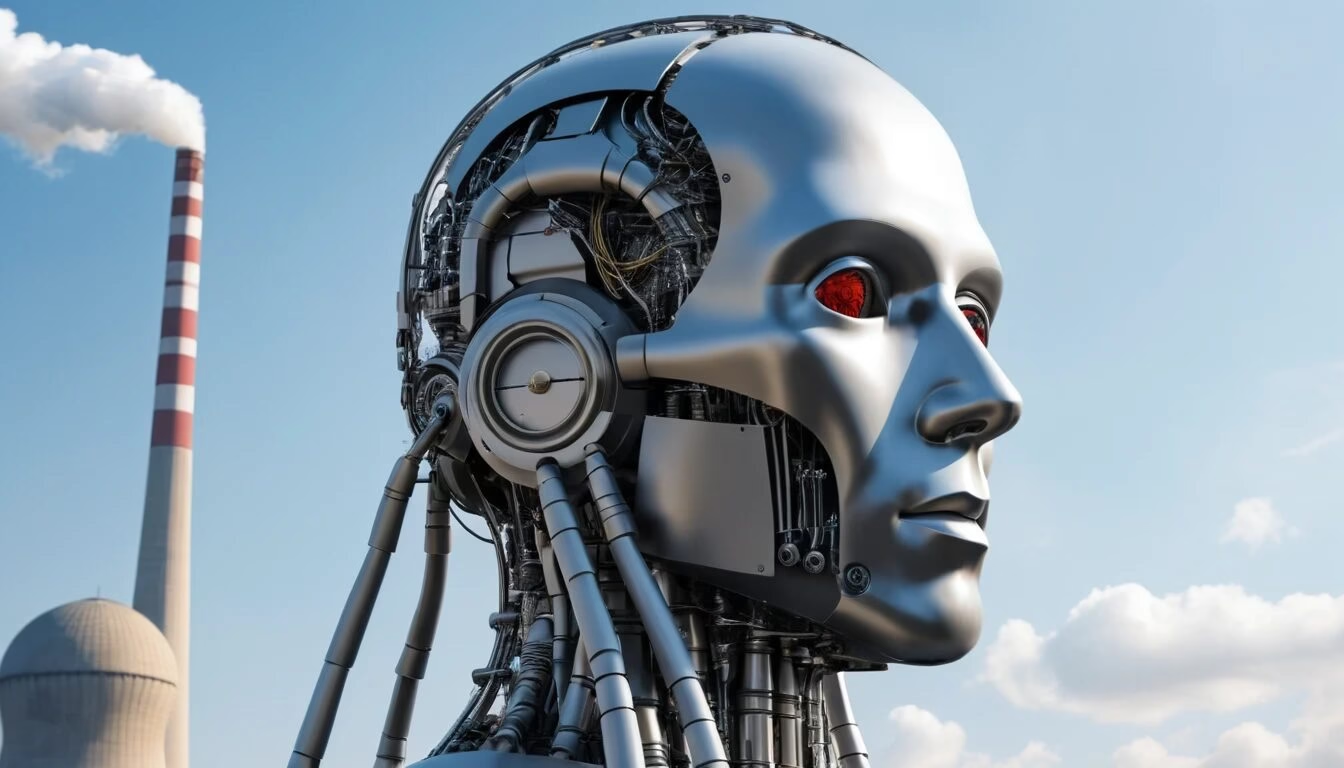

Understanding the Convergence: Atoms and Algorithms
The intersection of nuclear energy and artificial intelligence (AI) represents a significant advancement in both energy production and computational efficiency. These fields, while often perceived as separate, are profoundly interconnected. By leveraging the strengths of nuclear technology, we can address the burgeoning energy demands posed by AI systems. The growing complexity of algorithms and the increasing computational power required propel a unique synergy that can lead to innovative solutions.
Central to this partnership is the concept of “atoms for algorithms.” This phrase emphasizes the notion that nuclear energy can serve as a potent and stable power source for the extensive computational tasks driven by AI applications. As AI algorithms evolve, they require substantial resources to process data and execute tasks efficiently. Traditional energy sources may falter under the increasing energy demands. In contrast, nuclear energy offers a low-carbon and reliable alternative, ensuring a sustainable energy supply that can foster uninterrupted AI development.
Furthermore, integrating AI within the nuclear sector presents transformative opportunities. Advanced algorithms can enhance the operational efficiency of nuclear power plants by optimizing energy output and maintaining safety standards. Predictive analytics powered by AI can assist in forecasting maintenance requirements, therefore minimizing downtime and operational risks. This synergy not only improves energy generation but also ensures that nuclear facilities operate at maximum efficiency—addressing key challenges in energy sustainability.
As we navigate this new landscape, it becomes increasingly clear that the convergence of these technologies is not merely a theoretical construct; rather, it is a pragmatic approach to solving critical issues facing the planet. By combining nuclear energy’s stability with AI’s agility, we may unlock unprecedented potential, driving advancements that serve the greater good in our energy and technology spheres.
Why AI’s Future Relies on Nuclear Energy
The integration of artificial intelligence (AI) into various sectors has led to substantial advancements, yet it has also increased the demand for energy. As AI technologies evolve, they require robust and reliable energy sources to foster their growth. Nuclear energy emerges as one of the most promising solutions because it offers the necessary power density and reliability. The training of complex AI models, which involves extensive computational processes, demands significant amounts of energy. Traditional energy sources often fall short in meeting these escalating power requirements.
Nuclear energy is characterized by its capacity to provide continuous power without the fluctuations associated with renewable sources like solar and wind. These renewable alternatives may serve as supplementary sources of energy; however, they struggle to maintain consistent output, which is crucial for high-demand AI applications. AI systems often run continuously, necessitating a stable energy supply that only nuclear power can provide in a sustainable manner.
Furthermore, in the context of climate change, there is an increasing need for low-carbon energy solutions. Nuclear power is notably efficient in this regard, producing large amounts of electricity with minimal greenhouse gas emissions. As global efforts to combat climate change intensify, the significance of nuclear energy becomes more pronounced, particularly concerning its ability to sustain the energy-intensive nature of AI research and deployment.
In summary, the future of artificial intelligence hinges on a reliable, low-carbon energy source, which positions nuclear energy as a vital aspect of this technological evolution. With its potential to consistently deliver the necessary energy while adhering to environmental goals, nuclear power can effectively support the burgeoning demands of AI and facilitate its widespread applications in society.
The Mutual Benefits: Enhancing Nuclear Energy with AI
The integration of Artificial Intelligence (AI) into the nuclear energy sector presents a multitude of advantages, fundamentally transforming how nuclear power systems operate. One significant benefit lies in the realm of operational efficiencies, specifically through predictive maintenance and anomaly detection. By employing AI algorithms, operators can analyze vast amounts of operational data in real time. This capability allows for early identification of potential equipment failures, thereby minimizing downtime and ensuring optimal performance. Predictive maintenance not only extends the lifespan of key machinery but also reduces maintenance costs, ultimately leading to enhanced productivity in nuclear energy generation.
Furthermore, AI plays a crucial role in improving design processes within the nuclear industry. Advanced modeling and simulation tools powered by AI enable engineers to evaluate and optimize reactor designs before physical prototypes are built. This simulation capability helps identify potential design flaws at an early stage, which is vital for safeguarding both human and environmental health. By enhancing the design process, AI fosters innovation and contributes to the development of more efficient and sustainable nuclear energy solutions.
Safety is another critical area where AI makes a substantial impact. Robust simulation scenarios driven by AI can evaluate a wide range of emergency situations, allowing nuclear facilities to conduct thorough safety assessments. These simulations can help prepare operators for unexpected incidents, reinforcing the culture of safety in the nuclear sector. Moreover, AI analytics enhance the understanding of risk factors, enabling informed decision-making and effective incident response strategies.
Lastly, AI strengthens the safeguards within the nuclear energy framework. By utilizing sophisticated analysis techniques, AI systems can perform extensive data evaluations to detect and predict possible security breaches. This proactive approach to security ensures that nuclear facilities remain protected from potential threats, contributing to the overall stability and reliability of nuclear power generation.
The Role of Humans in an AI-Nuclear Future
As the integration of artificial intelligence (AI) into nuclear energy systems becomes increasingly prominent, the indispensable role of humans in this evolving landscape cannot be overstated. While AI offers significant advantages in improving efficiency, safety, and operational viability, it is ultimately human oversight that ensures these technologies function ethically and accurately. The combination of AI and nuclear energy brings forth a new set of complexities, warranting skilled personnel who can navigate both domains effectively.
One of the primary responsibilities of humans in this context is to oversee AI-driven processes to guarantee that they align with ethical standards and regulations. AI algorithms can optimize operations within nuclear facilities, however, human professionals must validate their decisions, combating potential biases and ensuring fairness. This oversight is particularly crucial given the potential consequences of miscalculations in nuclear energy systems, where even minor errors can have significant repercussions.
Moreover, the dynamic nature of AI technology necessitates continuous monitoring and adaptation. Human experts are required to maintain a secure and stable energy supply, which remains vital for the sustainable integration of AI in nuclear systems. Their expertise not only enhances operational efficiency but also plays a crucial role in addressing cybersecurity threats, safeguarding sensitive data from potential breaches.
The future of this partnership hinges on a well-trained workforce capable of managing the interplay between AI innovations and the complexities of nuclear energy management. Educational programs that focus on interdisciplinary training will be essential in preparing the next generation of professionals. In conclusion, while AI stands to revolutionize the nuclear energy sector, it is the human element that will ensure a thoughtful integration of these technologies, prioritizing ethical oversight, safety, and security throughout this new era of power.