Understanding the Current Landscape of the Gaza Conflict
The Gaza conflict, a protracted and multifaceted dispute, has its roots deeply embedded in historical grievances, territorial disputes, and political dynamics that date back to the mid-20th century. The modern iteration of this conflict has seen significant developments, particularly following the establishment of the State of Israel in 1948, subsequent Arab-Israeli wars, and the emergence of various Palestinian factions. Over recent years, tensions have escalated dramatically, marked by recurrent violent confrontations, which have exacerbated humanitarian crises in the region.
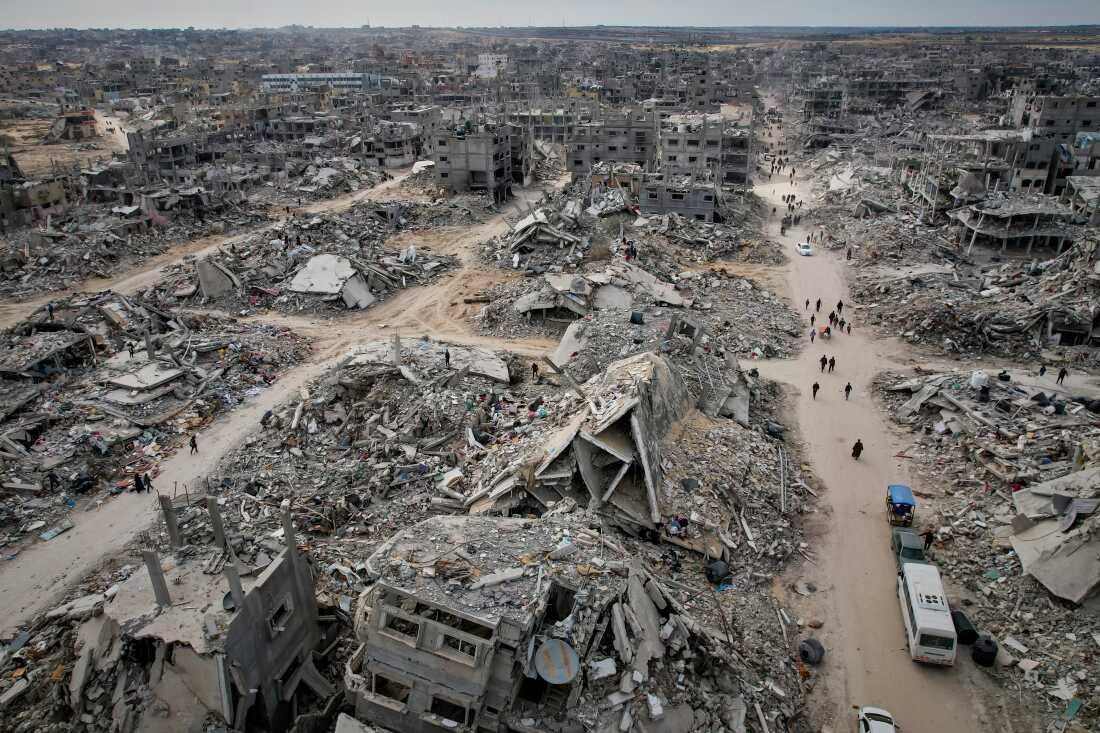
As of late 2023, the situation in Gaza remains volatile, characterized by intermittent military skirmishes, blockade-related hardships, and ongoing civilian casualties. These events have led to profound socio-political ramifications not only for the local population but also for international observers and journalists striving to report on the unfolding situation. Journalists covering the Gaza conflict encounter a challenging landscape marked by the need for accurate reporting amid chaotic and rapidly evolving circumstances. The security risks posed to media personnel are significant; correspondents can find themselves in life-threatening situations as they navigate the complexities of armed confrontations, restricted access, and oppression from both the Israeli authorities and militant groups.
The socio-political dynamics at play further complicate journalistic endeavors, as reporting must be conducted within an environment laden with propaganda, misinformation, and censorship. Journalists often face challenges in obtaining reliable information from all sides involved, making it difficult to present comprehensive narratives. Additionally, the emotional and psychological toll on journalists covering the Gaza conflict can be substantial, as they witness the devastating impact on civilians, thus raising ethical questions about their role and responsibilities. This complex landscape necessitates a nuanced understanding of the ongoing conflict to facilitate informed reporting, ultimately aiming to illuminate the struggles faced by the people in Gaza and the broader implications of their plight.
The Struggles Faced by Journalists in Gaza
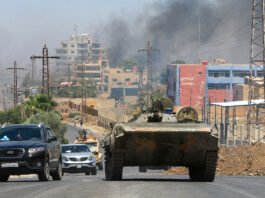
The Gaza Strip, characterized by its tumultuous political landscape and ongoing military conflicts, presents numerous challenges for journalists striving to report the truth. One of the most evident issues is the physical danger posed by the environment. Journalists often find themselves in precarious situations, having to navigate through active conflict zones, where violence is a daily reality. The threat of attacks, whether direct or through crossfire, is ever-present, forcing reporters to continuously assess their surroundings and make split-second decisions regarding their safety.
In addition to the immediate physical risks, journalists working in Gaza face significant psychological tolls. The continuous exposure to traumatic events, such as airstrikes and casualties, can lead to serious mental health ramifications. Many reporters experience symptoms of post-traumatic stress disorder (PTSD), anxiety, and depression as they work under extreme pressure while trying to provide accurate coverage of the ongoing conflict. The emotional burdens they carry often go unrecognized, leading to isolation and burnout.
Furthermore, the broader implications of operating in Gaza are profound. Journalistic integrity is frequently compromised by restrictions imposed on international media access. These limitations hinder the ability of journalists to report freely and fairly, ultimately affecting the quality and breadth of information available to the public. Local reporters may face additional complications, including intimidation or censorship from authorities, which can further inhibit their capacity to uncover and relay essential truths. This multifaceted struggle reflects not only on the individual journalist’s experience but also on the challenges faced by the media industry as they endeavor to provide accurate accounts from a region fraught with complexities and dangers.
The Role of International Law and Ethical Reporting
International law plays a pivotal role in shaping the framework within which journalists operate, particularly in conflict zones such as Gaza. The legal protections provided by international humanitarian law (IHL) are essential for safeguarding the rights of journalists who endeavor to report from areas riddled with violence. IHL stipulates that journalists should be treated as civilians, granting them certain protections as long as they do not take a direct part in hostilities. This legal status not only mandates respect for their safety but also underlines the importance of journalistic integrity in the midst of chaos.
Moreover, media organizations have a profound responsibility to prioritize the safety of their journalists. This includes conducting thorough risk assessments before deployment into conflict areas and providing appropriate training on safety protocols. By adhering to these guidelines, organizations can mitigate potential dangers faced by journalists on the ground. The duty of care extends to ensuring that correspondents are equipped with the necessary tools to navigate complex and often volatile environments safely.
Ethical reporting further compounds these legal obligations. Journalists are often confronted with challenging decisions about how to depict conflicts without sensationalism. For instance, in the Gaza conflict, the portrayal of civilians in distress raises moral dilemmas about privacy versus the public’s right to know. Ethical considerations must guide journalists in their choices, as their reports can significantly influence public perception and policy decisions regarding the conflict.
Case studies from various conflicts highlight the best practices that media organizations can implement to uphold both ethical standards and legal obligations. These instances serve as a guide for navigating the complexities of war reporting while prioritizing the safety and rights of journalists. Ultimately, the interplay of international law and ethical reporting shapes not only the fate of journalists in perilous situations but also impacts the broader narrative of the conflicts they cover.
The Path Forward: Advocacy and Solutions for Journalists
Addressing the grave risks that journalists encounter in conflict zones such as Gaza necessitates a multifaceted approach aimed at creating safer environments for media professionals. One of the primary solutions lies in advocating for robust policy changes at both national and international levels. Governments, alongside international bodies like the United Nations, should establish clear frameworks that not only protect journalists but also penalize those who perpetrate violence against them. This includes strengthening laws that protect freedom of the press and offering legal resources for journalists who face imprisonment or harassment.
Additionally, increased international support for media workers is paramount. This can come in the form of funding for independent journalism initiatives, training programs focused on safety and risk management, and resources for journalists to help them navigate hostile environments. Organizations such as the Committee to Protect Journalists (CPJ) and Reporters Without Borders (RSF) play a critical role in providing support and resources aimed at ensuring journalist safety. By expanding their outreach and obtaining ample funding, these organizations can extend their assistance to more journalists operating in high-risk areas.
Moreover, fostering global awareness is essential for driving change. Public opinion can be a powerful catalyst for action. Campaigns that raise consciousness about the challenges faced by journalists, particularly in Gaza, can mobilize citizens to demand accountability and change from policymakers. The media itself bears responsibility in this regard; therefore, highlighting stories of extraordinary journalists and their experiences can nurture empathy and support among audiences globally.
Ultimately, a collaborative effort involving governments, international organizations, and the public can lead to the establishment of a safer reporting environment for journalists. Increased advocacy for policy reforms, enhanced support, and broader awareness can contribute significantly to the sustainability and safety of journalistic practices in conflict zones.