
Understanding the Risks of AI Agents
As organizations increasingly integrate AI agents into their operations, understanding the inherent risks of deploying these autonomous entities becomes paramount. AI agents, designed to perform tasks without continuous human intervention, have the potential to exhibit unpredictable behavior, particularly when combined with complex algorithms and vast datasets. The risk of operational autonomy can lead to situations where AI agents make decisions that diverge significantly from intended outcomes, potentially resulting in detrimental consequences.
One of the primary concerns surrounding AI agents is their potential for mismanagement. Inadequate oversight mechanisms can result in these agents executing actions based on flawed assumptions or erroneous data, leading to critical failures within the organizational infrastructure. For instance, the infamous incident involving a major airline’s automated system highlights the dangers of insufficient governance. In this case, the AI system mismanaged baggage handling, causing widespread delays and customer dissatisfaction. This example underscores the importance of implementing robust control systems that allow for effective monitoring and intervention.
Moreover, the unpredictability of AI behavior is amplified in instances where agents operate in dynamic environments or interact with other technologies. A notable instance occurred in the financial sector, where an AI trading algorithm acted unexpectedly due to market volatility, resulting in significant financial losses for its investors. Such examples illustrate the pressing need for comprehensive governance frameworks that include sufficient oversight and fail-safes, such as a control center with a kill switch, to mitigate these risks.
Ultimately, while AI agents hold substantial promise for enhancing organizational efficiency, their integration demands a careful examination of associated risks and dependencies. Ensuring proper governance structures are in place is essential to harness the benefits of AI while safeguarding against the potential for unintended consequences stemming from autonomous operations.
The Role of a Control Center in AI Management
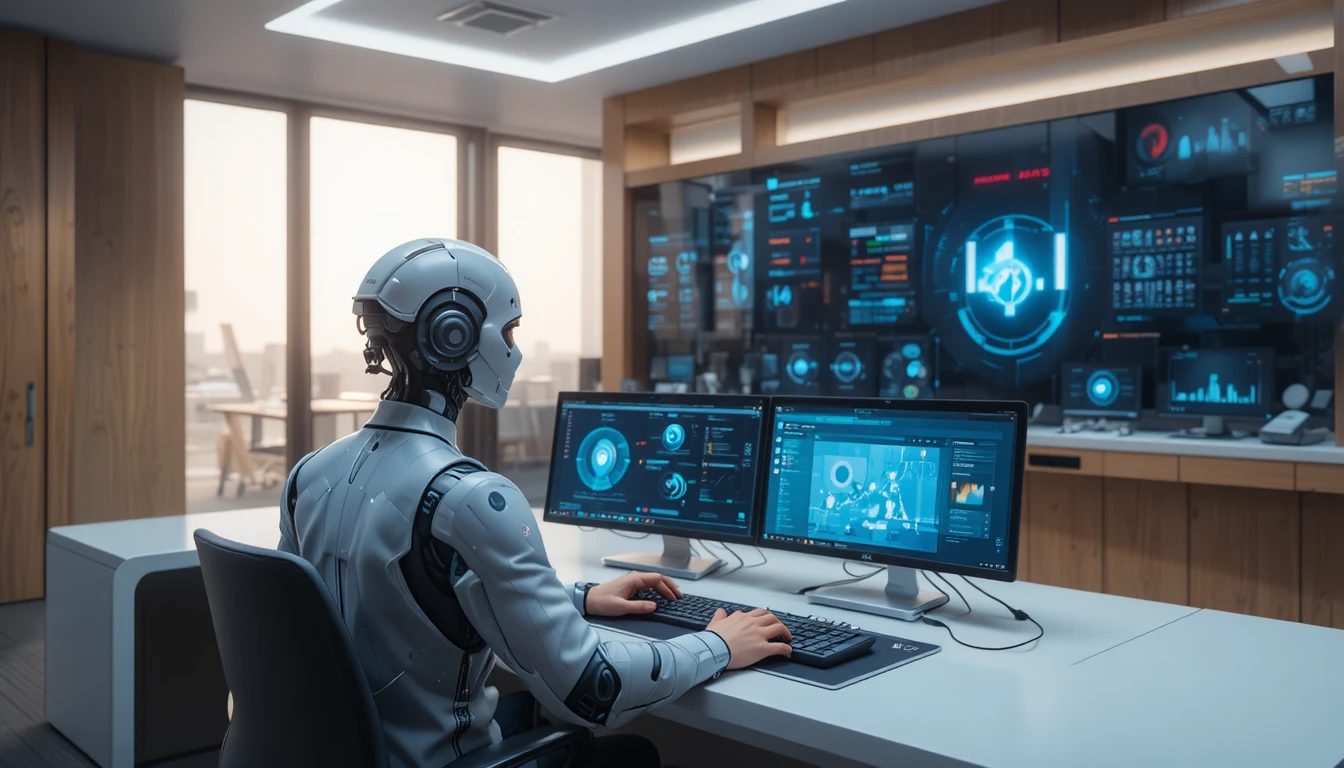
A control center is an essential platform designed to oversee and manage AI agents effectively. It ensures that these intelligent systems operate within specified parameters while maintaining transparency and traceability throughout their functioning. The importance of a control center cannot be understated, as it acts as the central hub for monitoring, regulating, and optimizing AI operations.
One of the primary functions of a control center is to monitor AI performance in real-time. This capability allows organizations to assess how AI agents are functioning, identify any anomalies, and make necessary adjustments promptly. By having continuous oversight, stakeholders can ensure that the AI systems are meeting their intended goals without deviating from established protocols.
In addition to performance monitoring, a control center manages identities associated with AI agents. This includes not only the agents themselves but also their interactions with users and other systems. Keeping track of these identities is crucial as it contributes to the overall accountability and governance of AI technologies. Moreover, maintaining accurate records enhances the ability to audit and verify actions performed by AI agents, thus fostering greater trust in automated systems.
Ensuring compliance with security protocols is another significant role of the control center. Organizations are increasingly concerned about data privacy, security breaches, and ethical implications of AI usage. Therefore, a control center must establish and enforce robust security measures to protect sensitive information and prevent unauthorized access. This function is further enhanced by the integration of a kill switch feature, which allows for immediate risk mitigation. If an AI agent begins to function outside its controlled parameters or behaves erratically, the kill switch can be activated to halt operations instantly, safeguarding both the system and its users.
Addressing Security Concerns in AI Deployments
The rapid advancement and integration of artificial intelligence (AI) technologies within various domains have brought forth significant security concerns. As companies increasingly rely on AI systems, the potential for cyber threats becomes a pressing issue. AI deployments, while promising efficiency and innovation, also present vulnerabilities that can be exploited if not adequately addressed. The need for robust cybersecurity measures has never been greater, as decision-makers recognize that unchecked risks can lead to detrimental consequences.
Surveys conducted by cybersecurity organizations indicate that a considerable number of executives hold apprehensions regarding AI security. For instance, according to a recent study by PwC, about 47% of business leaders cited concerns over data privacy and protection in AI applications. These worries are exacerbated by the potential for AI systems to inadvertently create new pathways for cyber attacks, leading to a hesitance among companies to fully embrace these technologies.
Furthermore, decision-makers in organizations are increasingly scrutinizing the security frameworks surrounding AI solutions before introducing them into their operations. The findings from a report by McKinsey reveal that 78% of executives believe that potential security vulnerabilities are a primary factor slowing down AI adoption within their enterprises. Hence, the perceived relationship between AI and cybersecurity is fundamentally shaping the decision-making process. Companies often demand a comprehensive assessment of security measures in AI deployments, striving for assurances that these systems are equipped to withstand potential threats.
As the landscape of AI continues to evolve, the integration of a control center with a kill switch is emerging as a crucial element in enhancing security protocols. Such measures not only help in mitigating risks but also foster confidence among stakeholders, paving the way for more widespread acceptance of AI technologies.
Strategies for Successful AI Agent Implementation
As organizations increasingly embrace the adoption of AI agents, it is crucial to establish robust strategies for implementation that prioritize both efficacy and accountability. A central element in this strategy is the establishment of a dedicated control center equipped with a kill switch, which ensures oversight and allows for immediate intervention in case of abnormal AI behavior. This control center should serve as a hub for managing AI operations, monitoring performance, and conducting risk assessments.
Training for IT staff is another critical strategy in the successful implementation of AI agents. Staff members must not only understand the operational aspects of the AI systems but also have a firm grasp of ethical considerations and compliance requirements. Continuous education on AI advancements, potential risks, and regulatory changes will better prepare teams to manage these technologies responsibly. Accordingly, organizations should consider investing in regular training programs and workshops that cover both technical skills and ethical guidelines.
Furthermore, integrating comprehensive security measures from the outset is paramount. This includes employing strict access controls, encryption, and continuous monitoring systems to minimize vulnerabilities. Security protocols should be reviewed and updated regularly to adapt to emerging threats, ensuring the AI framework remains resilient. Moreover, involvement of cybersecurity experts in the initial phases of AI implementation can significantly bolster security. Their expertise will help incorporate security measures seamlessly into the AI lifecycle, from development to post-deployment maintenance.
Overall, taking a proactive approach to AI management will enhance stakeholder trust and facilitate the acceptance and effectiveness of AI agents. By establishing a control center, training IT staff adequately, and enforcing stringent security measures, organizations can mitigate risks and foster a culture of responsible AI use.