Israel’s Recognition of Somaliland: Overview of Events
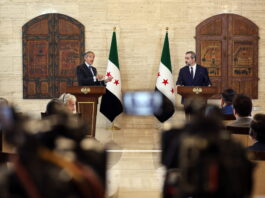
On December 26, 2023, Israel officially declared its recognition of Somaliland as an independent state, marking a significant development in the political landscape of the region. This announcement was the culmination of ongoing discussions between Israeli officials and Somaliland leaders, reflecting Israel’s interest in fostering diplomatic ties with regions that have declared independence from larger, often less stable governments. The motivations behind Israel’s decision to acknowledge Somaliland stem from various strategic interests, including geopolitical positioning in the Horn of Africa and the potential for enhanced trade relationships.
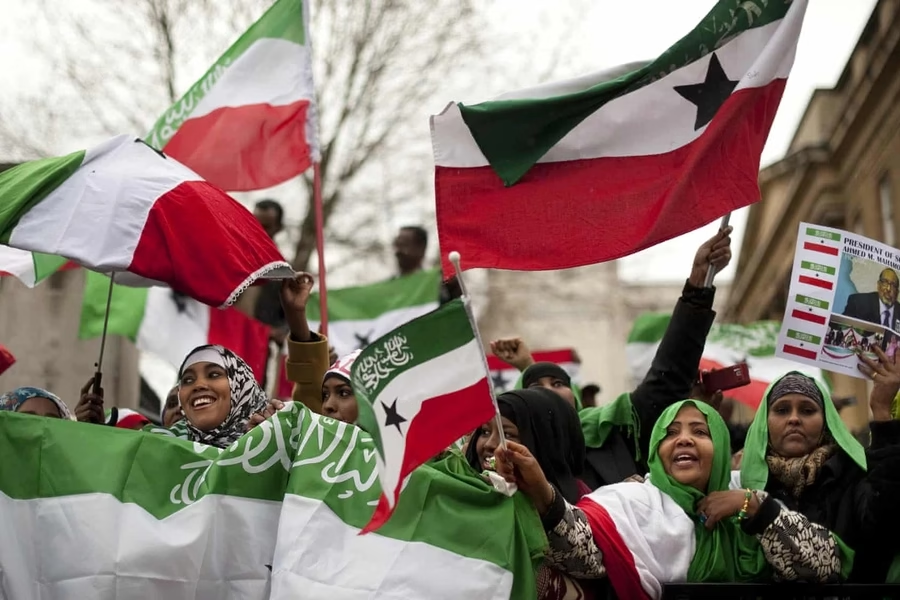
The recognition by Israel comes amid a backdrop of longstanding tensions between Somaliland and Somalia. For Somaliland, this acknowledgment serves as a validation of its self-declared independence, achieved in 1991 following a civil war that decimated the former Somali state. However, the response from Somalia was swift and unequivocal; the Somali government condemned Israel’s recognition as a gross violation of its territorial integrity and national unity. This reaction underscores Somalia’s longstanding claim to Somaliland, as the central government views any formal recognition of Somaliland’s statehood as a direct challenge to its sovereignty.
The implications of foreign recognition for Somalia’s national identity are profound. In a climate where national unity is already fragile, Israel’s decision may exacerbate divisions within Somali society and further complicate efforts to restore governmental legitimacy and stability. Moreover, as more countries potentially follow Israel’s lead, the dynamics of international relations in the region could significantly shift, leading to increased dialogue about self-determination and statehood in post-colonial contexts. The road ahead remains uncertain, but Israel’s recognition undoubtedly sets a precedent that may influence future diplomatic engagements in the Horn of Africa.
Regional and International Responses
The recognition of Somaliland by Israel has sparked significant reactions from a variety of nations and organizations, each expressing their stance on the matter, particularly emphasizing the sovereignty of Somalia and territorial integrity. Somalia has condemned the recognition, viewing it as a direct violation of its territorial claims and a challenge to its governance. The Somali government has vehemently reiterated its position, seeking support from the international community to uphold its sovereign rights against what it perceives as a fragmentation of its national unity.
Neighboring states such as Egypt and Jordan have also expressed concern regarding Somaliland’s recognition, pointing out that it may exacerbate existing tensions in the Horn of Africa region. Both nations, along with other Middle Eastern and African countries, have shown solidarity with Somalia, reinforcing the notion that altering recognized borders could lead to regional instability. This collective reaction underscores a broader unease about the potential ripple effects of recognizing separatist movements.
In addition to regional responses, significant statements have emerged from international organizations including the African Union (AU), the Arab League, and the United Nations Security Council. The African Union, representing 55 member states, has highlighted the importance of maintaining respect for the boundaries established at independence, thereby backing Somalia’s claims to sovereignty. The Arab League has echoed this sentiment, emphasizing the need for unity and territorial integrity in addressing the aspirations of peoples in the region. Furthermore, the UN Security Council has communicated its support for Somalia, reiterating the need for dialogue and political solutions rather than unilateral actions.
Ultimately, the responses from various countries and organizations reflect a consensus: the recognition of Somaliland by Israel poses potential threats to peace and stability, making it imperative for the international community to uphold principles of sovereignty and territorial integrity in their foreign policy considerations.
Security Concerns and Regional Stability
The potential recognition of Somaliland as an independent state poses significant security concerns and implications for regional stability, particularly with regard to Somalia’s ongoing political challenges. Numerous members of the United Nations Security Council have expressed apprehension that such a move could further erode Somalia’s political cohesion, which is essential for maintaining peace and stability in the region. The fragmentation of Somalia into separate entities, such as Somaliland, could potentially pave the way for increased conflict, as competing factions vie for power and control over territories.
One of the pressing fears is that recognizing Somaliland might inadvertently empower extremist factions, including al-Shabaab, which thrive on instability and can exploit any perceived weakness in governance as a recruitment tool. The prospect of a divided Somalia might embolden such groups, challenging both domestic security forces and international efforts to establish a stable government. The Horn of Africa has already been a hotspot for terrorism and violent extremism, and the emergence of a more fractured political landscape could provide fertile ground for these groups to expand their influence.
Additionally, the regional implications of this recognition cannot be understated. Neighboring countries, already invested in the outcomes of Somalia’s political situation, may react defensively, leading to an escalation of tensions across borders. The intertwining interests of Ethiopia and Kenya, among others, in relation to Somali stability may result in increased militarization or interventionist policies, which could further complicate the situation. It is crucial to consider these multifaceted security implications when discussing Somaliland’s recognition, as any decision in this regard must contemplate not only its immediate effects but also the broader consequences for the Horn of Africa’s stability.
Arguments from Israel and the United States
The recognition of Somaliland has elicited considerable attention, particularly from Israel and the United States, both of which have articulated distinct justifications for their stances regarding Somaliland’s statehood. Israel’s position hinges on historical claims that reference the right to self-determination as a fundamental principle underpinning statehood. Israel asserts that Somaliland, having achieved significant political stability and governance independent from Somalia, warrants recognition as a legitimate entity in its own right. This claim is further bolstered by the desire to counterbalance Iran’s influence in the Horn of Africa, thereby promoting regional stability and security. By supporting Somaliland’s recognition, Israel aims to foster diplomatic ties that can potentially enhance its geopolitical interests in the region.
On the other hand, the United States has approached the issue of Somaliland’s recognition with a degree of caution. The U.S. government has repeatedly indicated that its stance is informed by the broader implications of international recognition. By addressing claims of double standards often levied against U.S. foreign policy, officials emphasize that every recognition case must be judged on unique circumstances rather than a universal set of criteria. This nuanced approach seeks to avoid creating precedents that could lead to further fragmentation of existing states, particularly with regards to Somalia’s territorial integrity. The U.S. also stresses the importance of encouraging dialogue between Somaliland and Somalia, fostering a peaceful resolution to disputes rather than unilateral recognitions that might escalate tensions.
Somalia has resolutely rebutted these perspectives, arguing that recognition of Somaliland undermines its sovereignty and would exacerbate existing divisions. This contention raises significant questions about the evolving dynamics within international relations and the very concept of statehood, as calls for self-determination battle against prevailing norms of territorial integrity. Understanding the justifications presented by Israel and the United States, alongside Somalia’s counterarguments, enhances our comprehension of the complexities surrounding Somaliland’s bid for recognition and its potential ramifications on global diplomatic engagements.