Background of the Conflict
The territorial dispute between Cambodia and Thailand has its roots in a complex historical narrative that has unfolded over several centuries. The tensions primarily revolve around the border regions, particularly the area surrounding the ancient Preah Vihear Temple, which has been a contentious point since colonial times. Following the dissolution of colonial boundaries, both nations have laid claim to significant portions of land, and the differing interpretations of these borders have resulted in various conflicts.
In the 20th century, the conflict escalated notably when the International Court of Justice (ICJ) ruled in 1962 that the Preah Vihear Temple belonged to Cambodia. However, the ruling did little to settle the underlying issues, as both sides continued to assert their claims over the surrounding areas. Subsequent border skirmishes have been reported intermittently, including violent encounters in 2008 and 2011, which resulted in casualties on both sides and highlighted the fragility of the bilateral relations.
Historical animosities have been compounded by nationalistic sentiments in both countries, fueling public support for territorial claims. Additionally, the political landscapes in Cambodia and Thailand have influenced the conflict; political leaders have at times utilized nationalist rhetoric to bolster their domestic standing, further intensifying the situation. The involvement of outside actors, including international organizations and regional powers, has also played a role, often complicating diplomatic efforts aimed at resolving the dispute.
As of now, the situation remains precarious, with recent armed clashes underscoring the urgency for a peaceful resolution. Understanding this historical backdrop provides critical insights into the ongoing tensions and the potential avenues for conflict resolution, as both nations grapple with their intertwined pasts and strive for stability in the present.
Recent Developments in Armed Clashes
Recent reports from the border regions of Cambodia and Thailand indicate a worrying escalation in armed clashes, which have drawn significant international attention. The nature of these confrontations showcases a concerning shift towards increased military aggression, including the utilization of air strikes by both nations. These aerial assaults not only represent a drastic departure from prior engagements but also underscore the deteriorating diplomatic relations that have characterized this longstanding conflict.
For instance, evidence suggests that several key geographical areas, particularly within the contested border zones, have become hotspots for military activity. The mobilization of heavy equipment, including tanks and artillery, has been reported on both sides, indicating a serious commitment to asserting territorial claims. This heavy presence presents a tangible threat not only to the opposing military forces but also significantly endangers civilian populations residing in proximity to these activities. The dire situation has exacerbated an already fragile humanitarian environment, as civilians face increased risks of injury and displacement.
The immediate impact of these clashes is observable in various ways. In towns situated near the conflict zones, residents have reported a surge in fear and anxiety, with many families fleeing the area to seek shelter and safety. Infrastructure, including schools and hospitals, has also suffered from the violence, leading to disrupted services and access to essential resources. Reports indicate that civilians are caught in the crossfire, as communities struggle to navigate the chaos ensuing from these confrontations. The overall gravity of the situation continues to evolve rapidly, highlighting the need for urgent diplomatic efforts to de-escalate tensions and protect the rights of civilians affected by this conflict.
United Nations Response and Recommendations
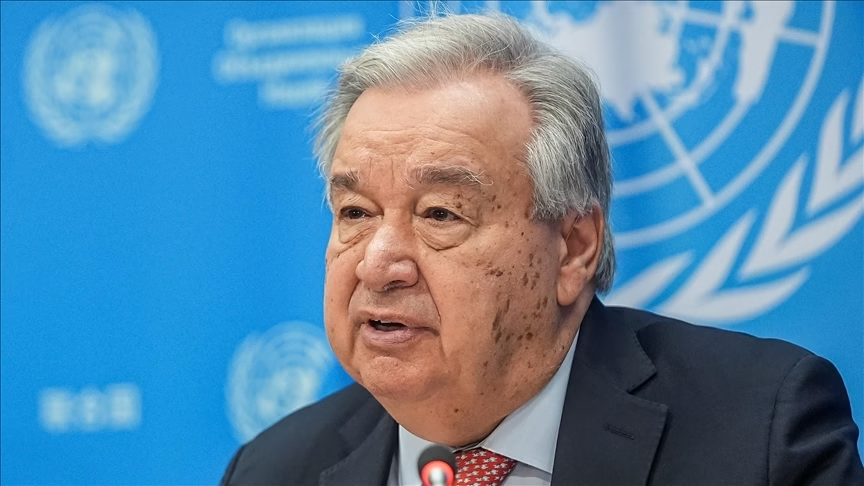
The recent escalation of violence between Cambodia and Thailand has prompted a significant response from the United Nations, led by Secretary-General António Guterres. In a formal statement, Guterres called for immediate restraint from both sides, emphasizing the critical need for dialogue to avert further conflict. His message underlined the UN’s commitment to maintaining peace and supporting humanitarian efforts in the region, highlighting that civilians must be protected amidst the unrest. This call reflects the UN’s longstanding position that safeguarding lives and upholding human rights are paramount, especially in conflict situations.
Additionally, Guterres referenced the joint declaration issued in Kuala Lumpur, which outlines the collective commitment of ASEAN member states to peaceful resolution and emphasizes the importance of diplomatic engagement. The Secretary-General urged both governments to adhere to this commitment and to recommit to previous ceasefire agreements, fostering an environment where constructive dialogue can take place without fear of violence. By reiterating these critical points, the UN sends a strong message regarding the necessity of adhering to internationally recognized norms and the importance of collaborative efforts in ensuring regional stability.
The Secretary-General also addressed pressing humanitarian concerns resulting from the renewed clashes, stressing the importance of granting access to aid organizations. These agencies play an essential role in providing relief to affected populations. Guterres reaffirmed the UN’s commitment to bolster peace-building initiatives in the region, ensuring that both nations can address underlying tensions and grievances through peaceful means. Ultimately, through enhanced cooperation and communication, the UN believes that lasting peace can be achieved, paving the way for long-term stability and prosperity for Cambodia and Thailand.
Path Forward: Dialogue and Peaceful Resolution
The ongoing border disputes between Cambodia and Thailand necessitate a concerted effort toward dialogue and the establishment of a peaceful resolution. Diplomatic engagement is crucial, as it allows both nations to address their grievances within a structured framework that encourages understanding and cooperation. Constructive communication can help to dismantle longstanding mistrust and promote a climate in which both parties feel heard and respected.
Confidence-building measures are vital in paving the way for meaningful dialogue. Initiatives such as joint cultural exchanges, trade agreements, and collaborative environmental projects can help foster goodwill and strengthen relationships. Such measures create an atmosphere conducive to negotiations, enabling stakeholders to focus on common interests rather than historical animosities. In this regard, both Cambodia and Thailand should prioritize the establishment of channels for consistent dialogue, which could facilitate problem-solving and help prevent the escalation of tensions in the future.
The role of international cooperation, particularly through organizations like the United Nations, is instrumental in mediating discussions. The UN can offer a neutral platform for dialogue and provide resources to bolster peace processes. Additionally, the involvement of third-party nations could lend credibility to negotiations and assist in monitoring agreements. Historical examples illustrate that effective conflict resolution often occurs with the support of international actors. For instance, the resolution of the Cambodia-Vietnam border disputes in the 1990s underscores the benefits of diplomacy and external facilitation.
In conclusion, both Cambodia and Thailand must prioritize dialogue and mutual understanding to overcome their border disputes effectively. Combining domestic efforts with international support and proven conflict resolution strategies can lead to sustainable peace. By engaging in constructive discussions and implementing confidence-building measures, the path toward a long-lasting resolution becomes increasingly attainable.