
Background of the Resolution
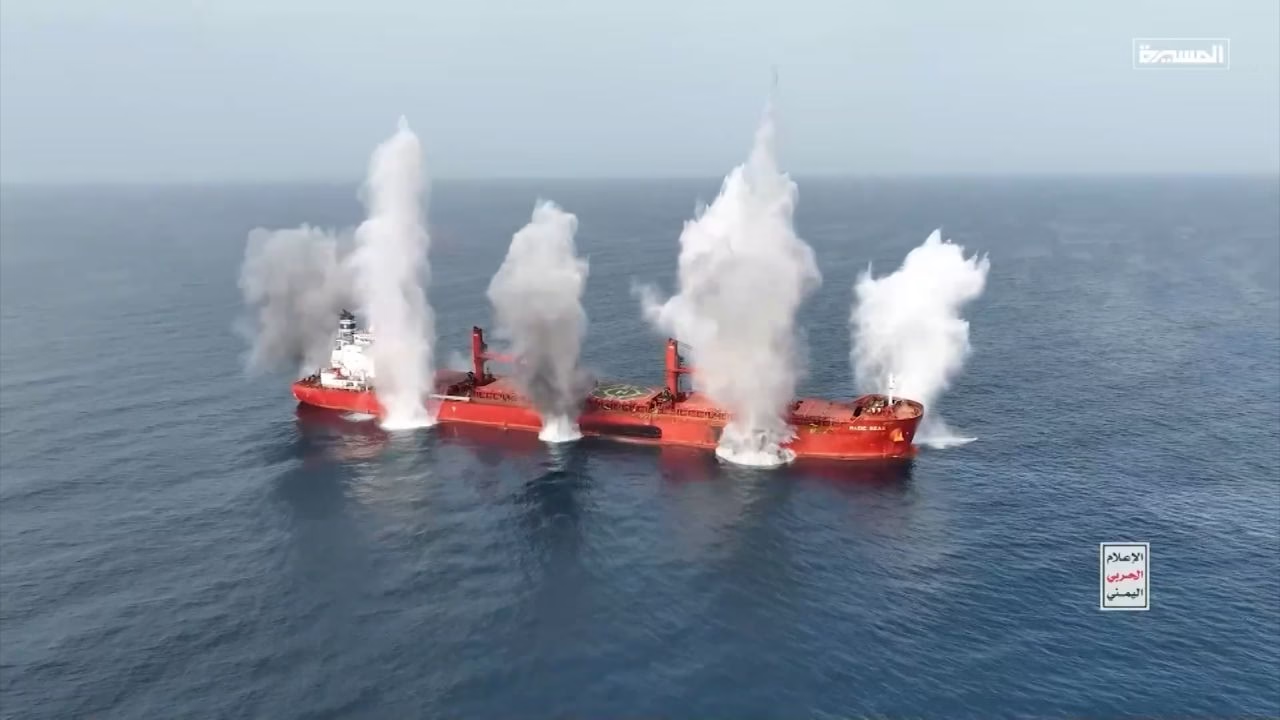
Resolution 2812 (2026) was adopted by the United Nations Security Council against the backdrop of ongoing conflict and instability in Yemen, particularly pertaining to the activities of the Houthi movement in the Red Sea. The intricate situation in Yemen has necessitated a series of resolutions aimed at addressing not only the humanitarian crisis but also the threats to regional and international security. Notably, this context includes the earlier adoption of Resolution 2722 (2024), among others, which laid the groundwork for understanding the complexities surrounding Houthi actions.
Previous resolutions focused on establishing a comprehensive framework to curb violence and promote peace negotiations. Resolution 2722 specifically highlighted the increasing attacks by Houthi forces on maritime vessels, underlining the urgent need for enhanced measures to ensure maritime security in the Red Sea. This region is crucial not just for Yemen but also for global trade routes, making the threat posed by Houthi activities a matter of international concern.
Resolution 2812 aims to build on the foundations set by its predecessors, emphasizing the role of the Secretary-General in monitoring Houthi attacks and providing regular updates on the situation in the Red Sea. Such reporting plays a pivotal role in informing the Security Council’s actions and decisions, as it allows member states to understand the repercussions of Houthi maneuvers on maritime navigation and commercial shipping.
The overarching objective of this resolution is to bolster maritime security and promote a stable environment in the Red Sea, effectively addressing the threats posed by Houthi forces. In this sense, Resolution 2812 not only seeks to mitigate immediate threats but also aspires to contribute to a broader dialogue aimed at lasting peace in Yemen and the surrounding region.
Global Impact of Red Sea Insecurity
The situation in the Red Sea, particularly the activities of the Houthi movement, poses significant challenges to maritime security. These developments have broad ramifications, extending beyond the immediate region and impacting international commerce, supply chains, and the safety of seafarers traversing vital shipping lanes. The Red Sea serves as a crucial artery for global trade, underlining the importance of stability and security in this area.
The Houthi attacks have created an environment of uncertainty, leading to increased insurance premiums for vessels operating in the region and a reassessment of risk by shipping companies. Such destabilization can disrupt supply chains, delaying shipments and inflating costs for businesses reliant on timely deliveries. It is estimated that the ongoing insecurity could lead to ripple effects, affecting global markets and prices of essential goods. Therefore, the international community must recognize the interconnected nature of maritime security and global trade.
United Nations member states carry the responsibility to enforce sanctions against the Houthis to deter further escalations. The participation of the international community in sanction enforcement is critical to mitigating threats posed by armed groups that jeopardize safe navigation through one of the world’s busiest trade routes. Diplomatic representatives from various countries have expressed the necessity of strengthening collaboration to maintain freedom of navigation and ensure the safety of vessels in these waters.
It is essential to consider the perspectives of different nations regarding the implications of instability in the Red Sea. Many countries emphasize that ensuring maritime security is not solely a regional issue but a shared global concern that impacts all nations engaged in international commerce. As tensions persist, collective action among nations will be pivotal in safeguarding the Red Sea and maintaining a stable environment for shipping and trade.
Debate Around Ongoing Monitoring
The ongoing monitoring of Houthi activities in the Red Sea has sparked a substantial debate within the United Nations Security Council, highlighting the divergent views among member states about the necessity and scope of such oversight. Key representatives from China and the Russian Federation have expressed notable concerns regarding the allocation of the Council’s resources towards monitoring initiatives. They argue that the focus on the Red Sea may detract from pressing global issues, including economic recovery and humanitarian efforts elsewhere.
China has proposed that the Security Council reevaluate its priorities, suggesting that the resources dedicated to monitoring maritime security could be better utilized in addressing broader regional conflicts that have more immediate humanitarian impacts. This perspective aligns with a philosophy that emphasizes a holistic approach to conflict resolution, rather than a piecemeal strategy that concentrates on specific incidents at sea, some of which they believe are linked to larger geopolitical tensions involving regional powers.
Conversely, proponents of robust monitoring argue that the Houthi threat in maritime areas cannot be underestimated. They contend that heightened surveillance and monitoring are critical to maintaining safety in these contentious waters, especially amidst fears of escalating tensions that could have lasting effects on international shipping routes and trade. Advocates warn that a lack of oversight might embolden Houthi forces to act with impunity, potentially leading to increased risks for commercial maritime operations in the Red Sea and beyond.
The ongoing debate emphasizes the intricate balance the Security Council must maintain between addressing local security concerns and prioritizing broader geopolitical stability. This continuous tension illustrates the complex dynamics at play in international policymaking, particularly regarding the provision of security in increasingly contested environments, such as the Red Sea.
Conclusion: Moving Toward Stability in the Red Sea
The implications of Resolution 2812 regarding Houthi activities in the Red Sea highlight the urgent need to address both the immediate threats posed by these actions and the underlying causes of conflict in the region. This resolution serves as a critical framework for understanding the complexities associated with Houthi incursions, which have significant impacts on regional stability and international maritime norms. The Red Sea, as a vital corridor for global trade, demands a concerted effort among nations to maintain security and uphold the principles of safe navigation.
Addressing the immediate threats necessitates a multifaceted approach that involves not only military responses but also diplomatic engagement. It is essential for involved nations to collaborate and share intelligence to effectively counteract Houthi threats. Furthermore, ongoing dialogue can lead to a more comprehensive understanding of the grievances that drive such militant activities, ultimately fostering a more stable environment.
In addition to managing immediate threats, it is crucial to explore the long-term solutions that address the root causes of conflict in the Red Sea. This involves supporting development initiatives in affected areas, promoting inclusive governance, and encouraging economic cooperation among nations bordering the Red Sea. By addressing these foundational issues, countries can work towards building resilience against extremism and ensuring a more peaceful future.
The road ahead will require not only commitment from individual nations but also robust multilateral cooperation. As international stakeholders evaluate the implications of Resolution 2812, they must prioritize collaboration and reinforce their dedication to upholding maritime security standards. Through collective action and shared responsibility, it is possible to secure the Red Sea as a safe and stable route, vital to global commerce and regional peace.