
Introduction to the Commission on Narcotic Drugs (CND)
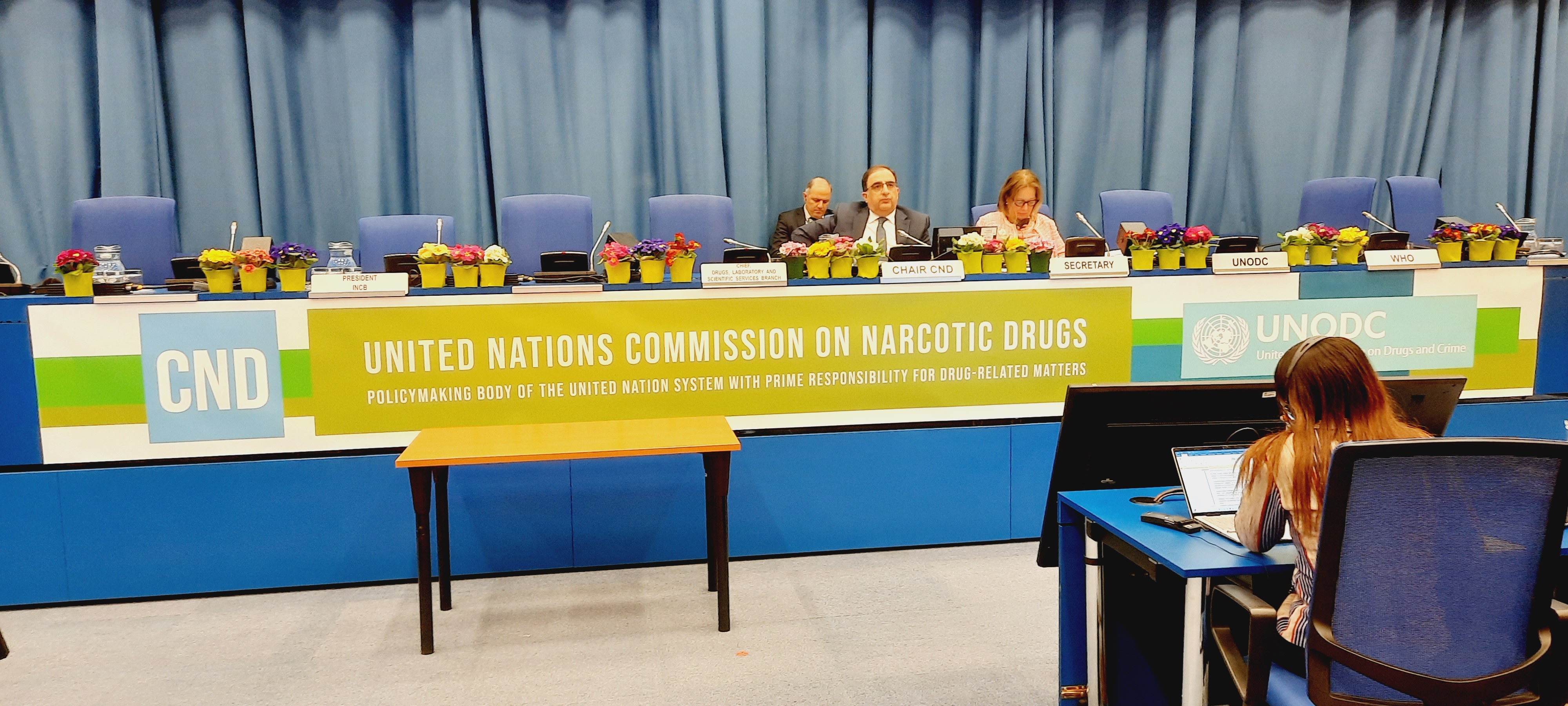
The Commission on Narcotic Drugs (CND) is a fundamental body established under the United Nations system, tasked with addressing and formulating global drug policy. Founded in 1946, the CND operates under the purview of the Economic and Social Council (ECOSOC) and is headquartered in Vienna, Austria. Its primary mandate is to promote international cooperation in the control of narcotic drugs and to ensure the implementation of various international drug control treaties.
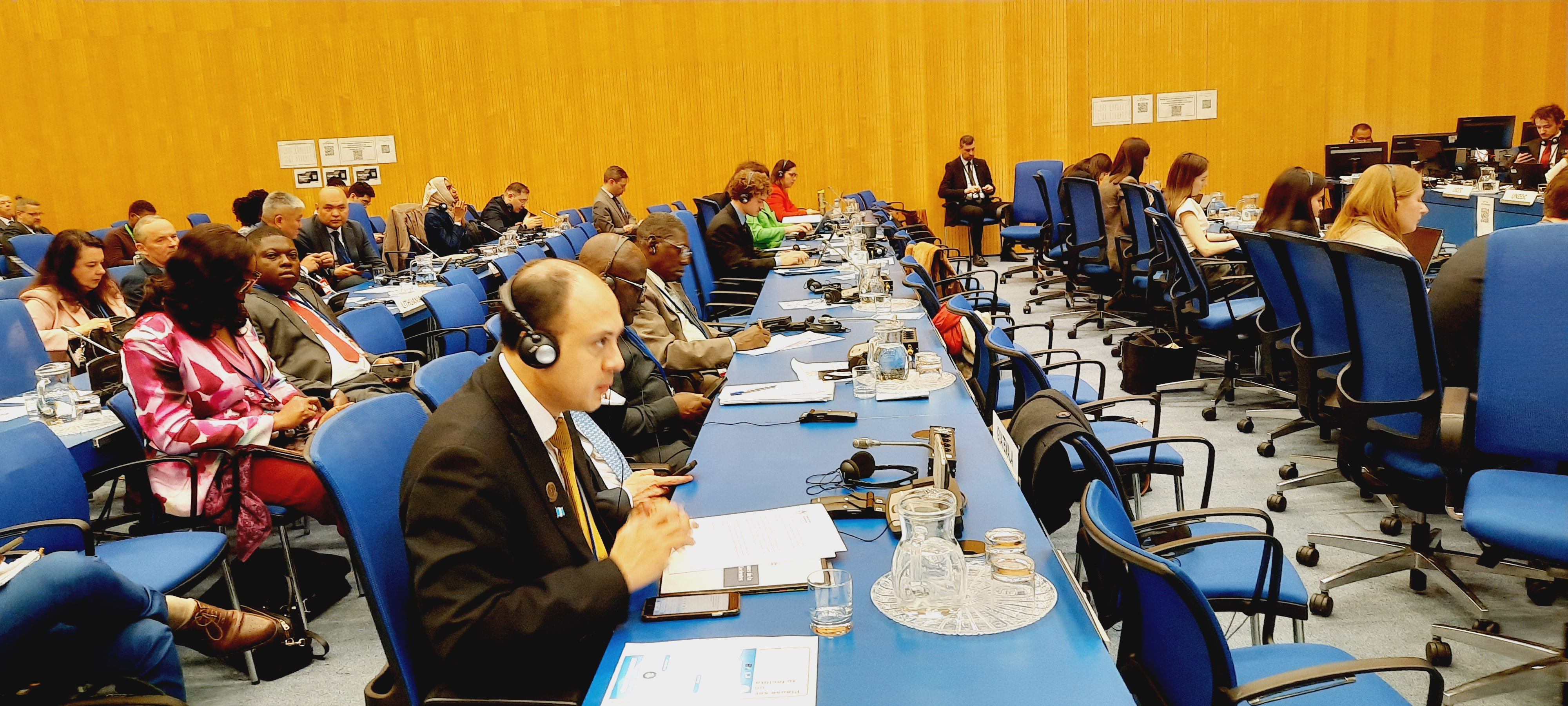
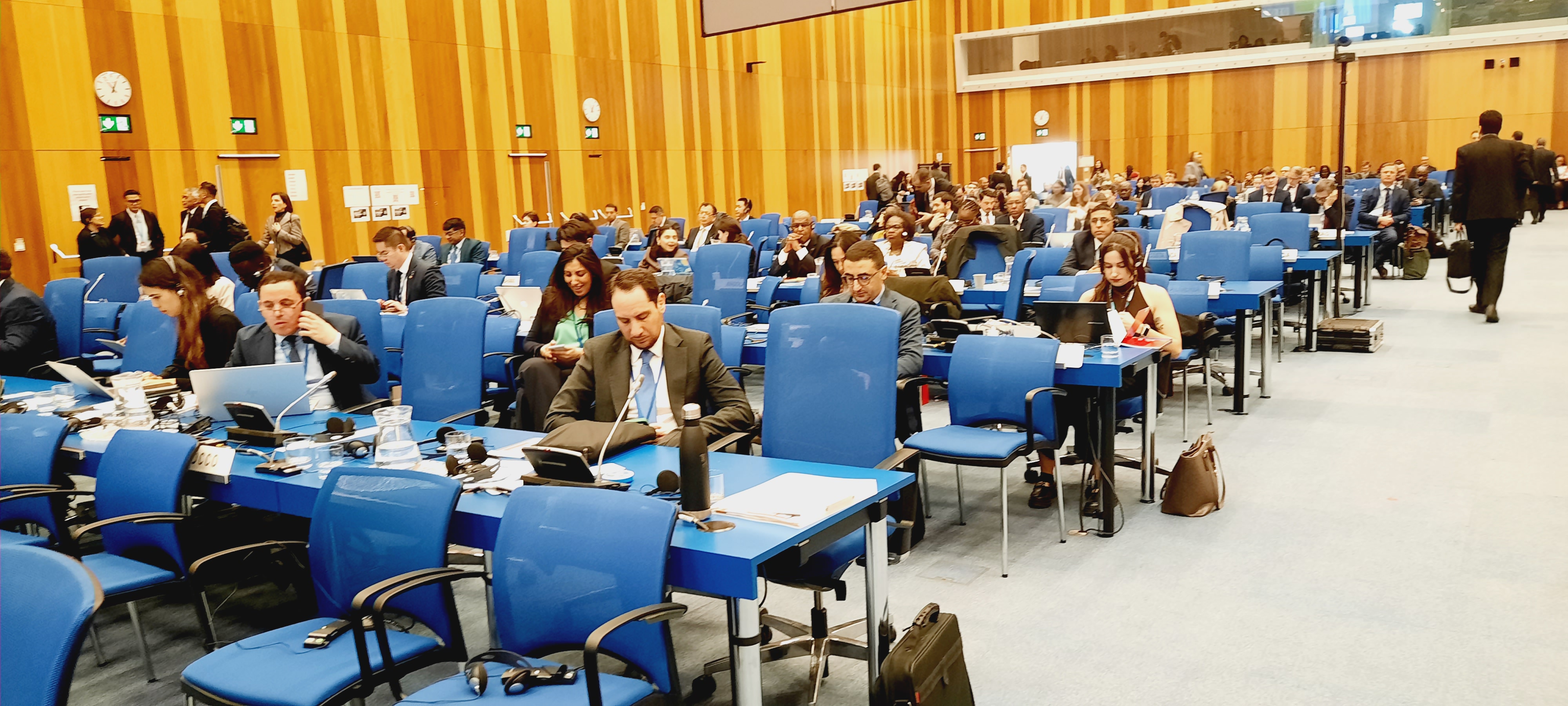
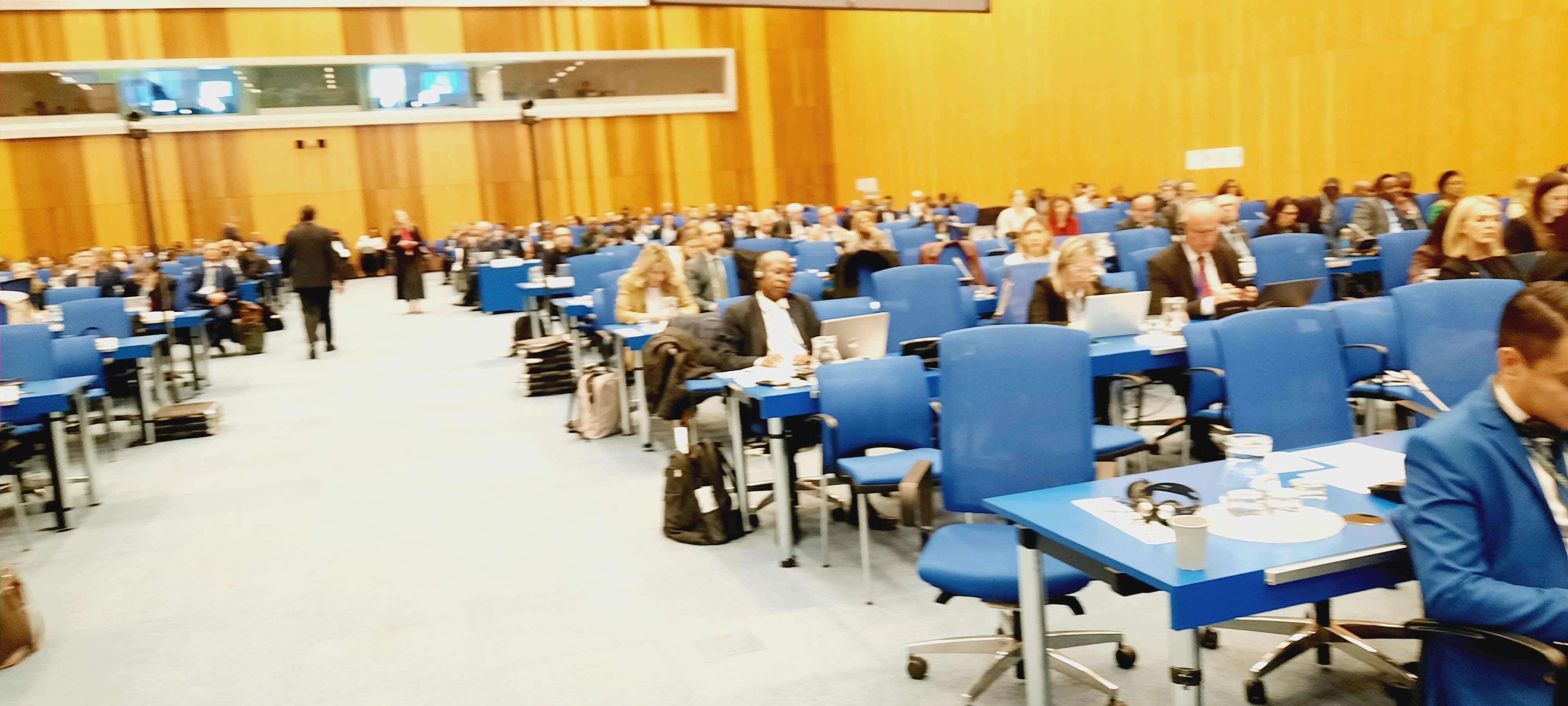
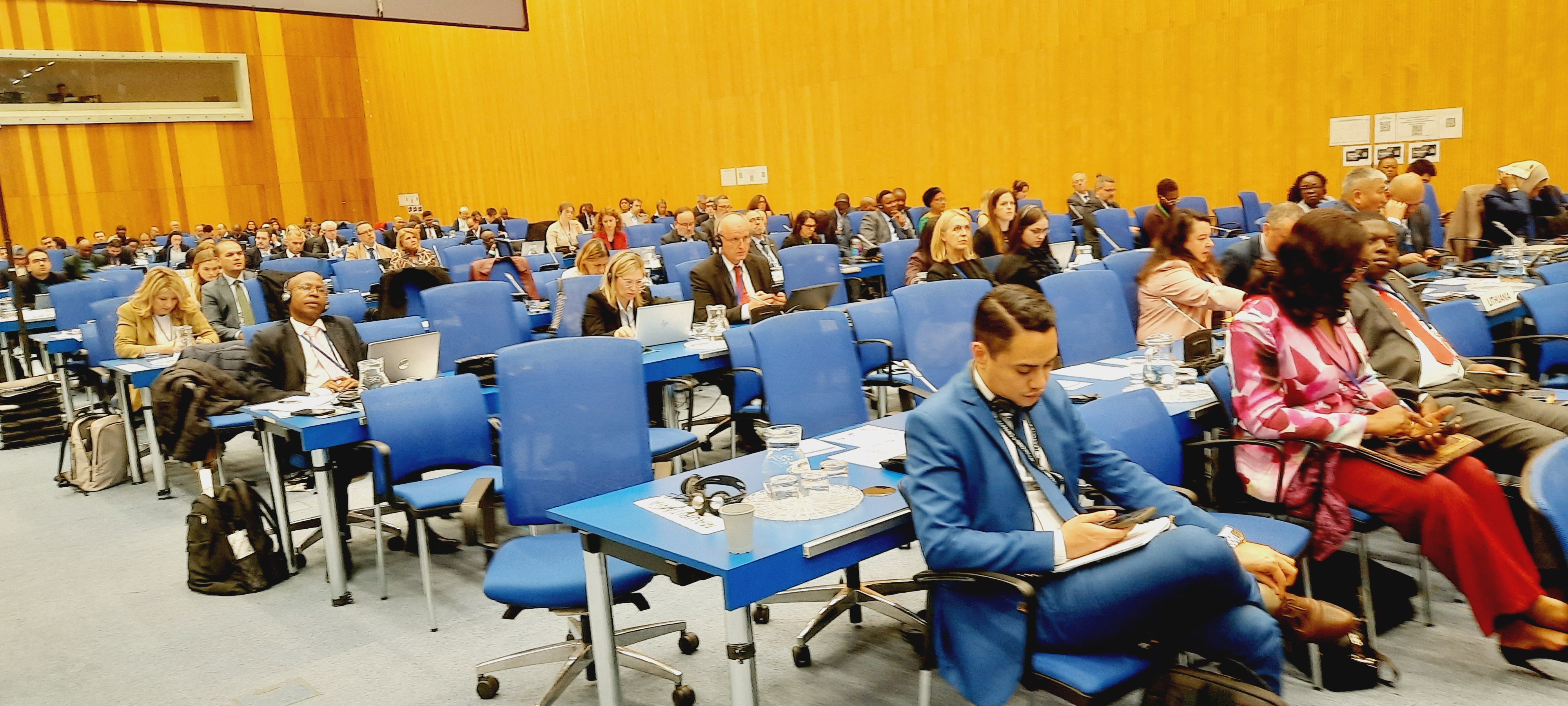
The significance of the CND within the UN system is profound, as it not only serves as a platform for member states to discuss issues related to drug use, trafficking, and related challenges but also plays a crucial role in shaping global drug policies. Each year, the CND convenes for its annual session in Vienna, where representatives from member states come together to review the progress made in drug control efforts, share best practices, and address emerging challenges. During these sessions, member states engage in discussions that influence policy recommendations and decisions impacting both local and global levels.
One of the essential functions of the CND is to address the evolving landscape of drug-related issues. This includes grappling with the emergence of new psychoactive substances, the growing opioid crisis, and the need for balanced approaches to drug use and public health. By fostering dialogue and cooperation among nations, the CND not only enhances collective action against illicit drug activities but also advocates for consideration of evidence-based practices aimed at promoting health and reducing the harms associated with drug use.
Functions and Responsibilities of the CND
The Commission on Narcotic Drugs (CND) serves several critical functions within the framework of international drug policy. One of its primary responsibilities is to monitor compliance with international drug control conventions. This involves ensuring that member countries adhere to the established treaties, regulations, and obligations that govern narcotic drugs and psychotropic substances. By doing so, the CND aims to promote a coherent global drug control strategy.
In addition to monitoring conventions, the CND plays a vital role in assessing the global drug situation. This assessment provides a basis for understanding the trends, challenges, and emerging issues in drug control worldwide. The CND analyzes data and reports from various sources to inform its recommendations and decisions. This critical evaluation helps shape effective responses to the dynamic nature of drug markets and usage patterns.
Moreover, the CND is tasked with adopting resolutions that guide international drug policy. These resolutions are pivotal in establishing norms and agreements among member states. Through consensus-building and collaboration, the CND fosters a unified approach to addressing drug-related challenges. This involves engaging in dialogue with various stakeholders, including national governments, civil society organizations, and other UN agencies.
Coordination of international responses to drug-related issues is another essential responsibility of the CND. The Commission liaises with various international partners to synchronize efforts in combating drug trafficking, abuse, and related crimes. This coordination enhances the effectiveness of drug policies on a global scale, fostering collaboration toward shared objectives.
Lastly, the CND oversees the United Nations Office on Drugs and Crime (UNODC), which serves as a vital partner in implementing drug-related initiatives and programs. By aligning its strategies with the UNODC, the CND ensures that resources and expertise are effectively utilized to address the global drug crisis.
Key Discussions at the 69th Session of the CND
The 69th session of the Commission on Narcotic Drugs (CND) brought forth significant discussions centered on various pressing issues surrounding drug control policies. One of the primary themes of this session was the critical balance between public health and human rights. Participants emphasized the necessity of formulating drug policies that prioritize health outcomes while safeguarding the rights of individuals affected by drug use. This discourse encouraged ongoing evaluations of current practices, with many calling for reforms to enhance access to essential health services.
Another focal point of the session was the promotion of evidence-based drug policies. Delegates acknowledged the importance of relying on empirical data to shape legislation and interventions. The discussions suggested that taking an approach grounded in research would lead to more effective strategies in managing drug-related challenges. This commitment to evidence-based practices also extended to the shared responsibility of countries in addressing diverse drug-related issues, including the rise of synthetic drugs.
In addition to public health and evidence-based policies, the session addressed the ongoing fight against drug trafficking. Various stakeholders engaged in dialogues surrounding innovative strategies to combat the illicit drug trade, recognizing its implications on global security and health. Importantly, the CND discussions included measures to enhance international cooperation, emphasizing the role of collaborative efforts among nations in eradicating trafficking networks.
The session also facilitated support for treatment programs aimed at providing assistance to those affected by substance use disorders. Alongside plenary sessions, attendees participated in committee discussions and a range of side events focusing on successful interventions and best practices. Overall, the outcomes of these discussions are expected to inform future approaches in drug policy, ensuring they are aligned with the evolving landscape of drug-related issues globally.
The Importance of Civil Society Participation
Civil society organizations (CSOs) play an invaluable role in the processes of the Commission on Narcotic Drugs (CND). These organizations serve as essential bridges between various stakeholders, including governmental representatives, community members, and affected populations. By participating actively in the CND’s activities, CSOs contribute a wealth of perspectives that enrich the dialogue surrounding narcotic drug policies and programs. Their grassroots insight can illuminate the realities of drug use and distribution, highlighting the social, economic, and health challenges faced by communities.
A key component of the civil society involvement in CND processes is their ability to foster meaningful dialogue among different stakeholders. These organizations often mobilize a diverse range of voices, advocating for the inclusion of marginalized groups in discussions, which is vital for developing effective and equitable drug policies. As representatives of on-the-ground realities, CSOs ensure that the policies formulated by the CND are not only informed by research and expert opinion but are also reflective of and responsive to the needs of those most affected by drug laws.
The Vienna NGO Committee on Drugs (VNGOC) has significantly contributed to facilitating civil society participation through various guides and resources designed to empower organizations to engage effectively with the CND. These guides provide essential information on the operational modalities of the CND, helping civil organizations navigate the complexities of international drug treaties and policies. Such resources not only enhance the capacity of CSOs but also highlight the importance of collaboration between governmental agencies and civil organizations. Together, they can work towards achieving common goals in drug policy reform and public health advocacy.