


Introduction to Vienna’s Rautenweg Landfill
Vienna’s Rautenweg Landfill stands as a pivotal component in Austria’s waste management system, recognized as the largest municipal landfill within the country. This facility plays a crucial role in the ecological and operational strategies employed by the city to manage waste sustainably. The landfill not only accommodates the residual waste of Vienna but also serves as a model for effective waste disposal practices.
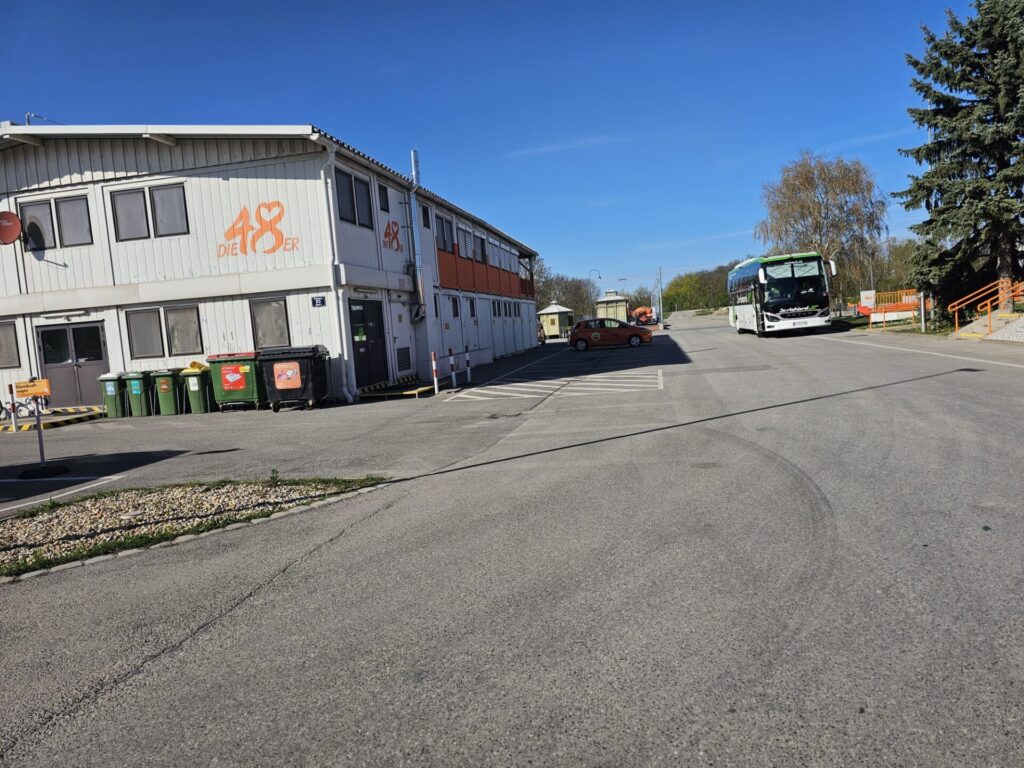
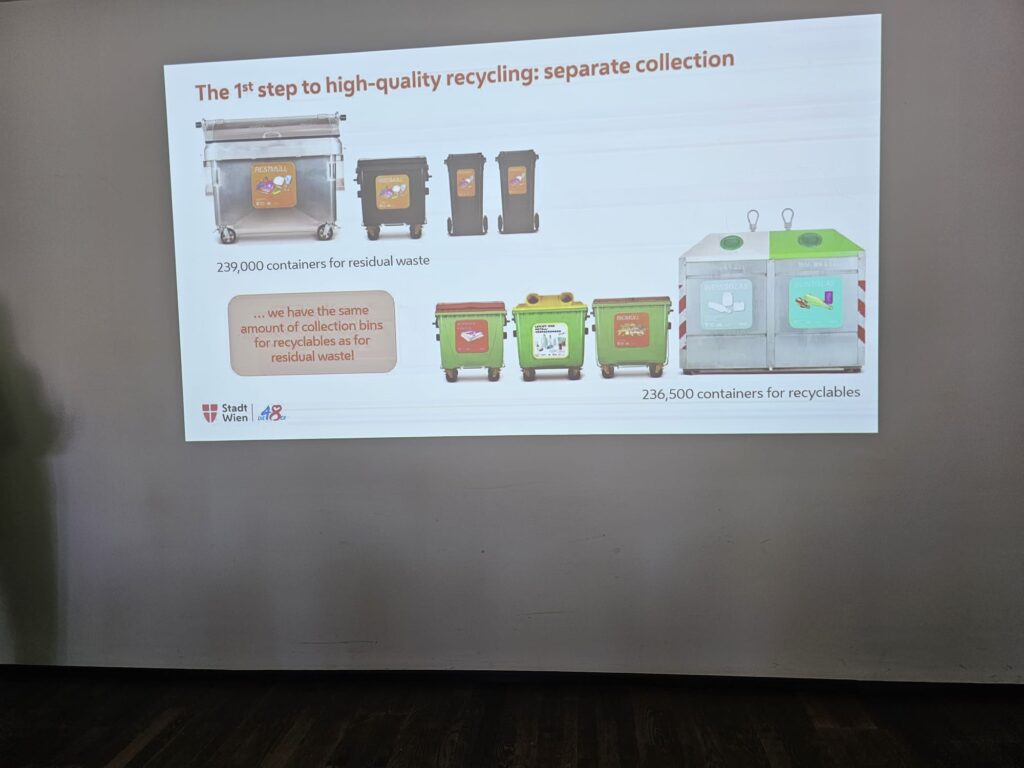
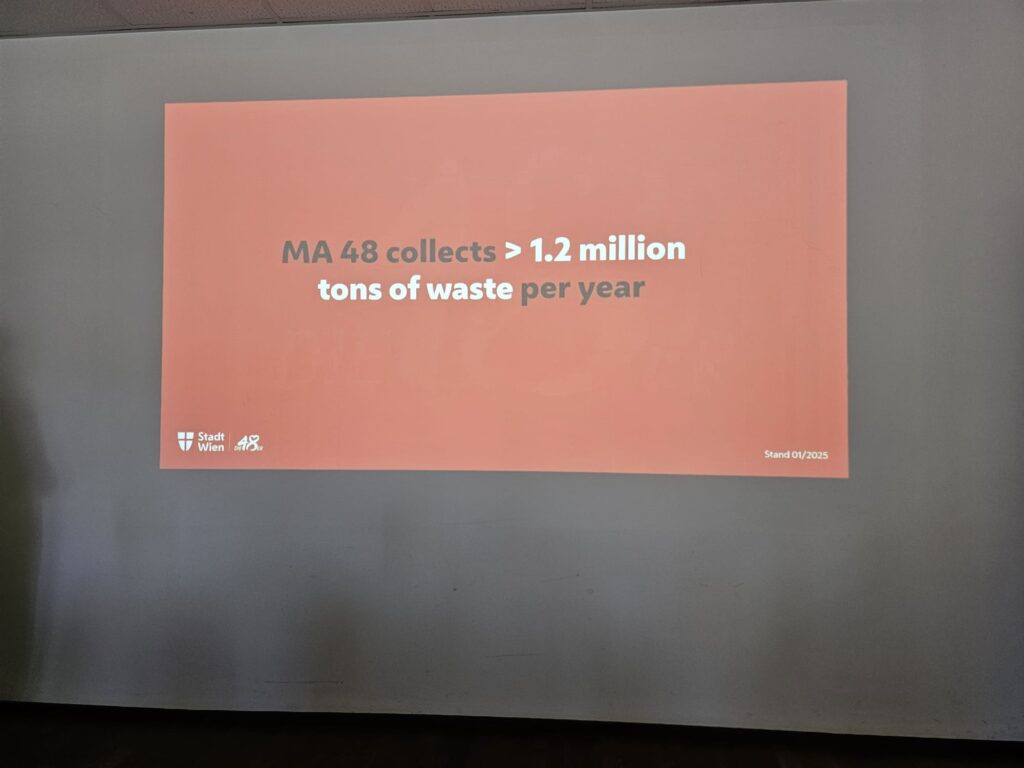
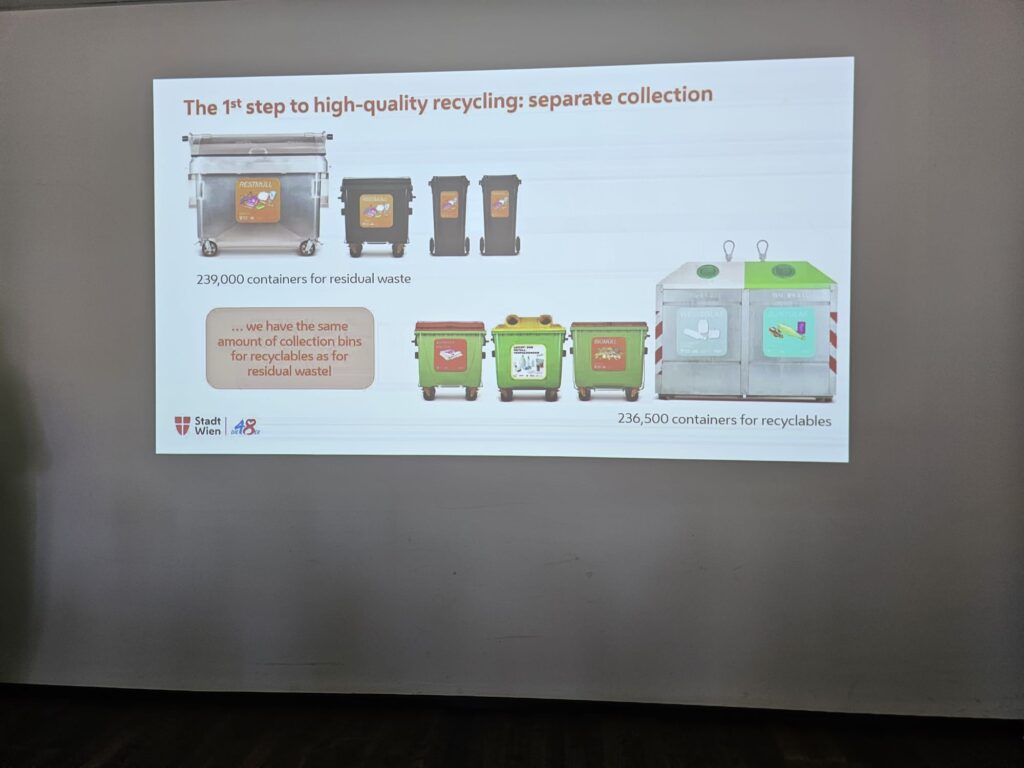
The management of waste in Vienna is primarily the responsibility of the Municipal Department 48 (MA 48). This department oversees the comprehensive waste management process, which begins with the collection of waste from households and commercial establishments. The waste is then sorted and processed to mitigate the amount that ultimately needs to be directed to the landfill. Therefore, the Rautenweg Landfill is not merely a dumping ground; it’s a destination for waste that is unable to be reused, recycled, or composted, and it is crucial for Vienna’s sustainability objectives.
Furthermore, the landfill serves as a site for the recovery of energy and materials through various innovative technologies. These advancements ensure that the landfill operates within environmentally responsible guidelines while contributing to the preservation of natural resources. The environmental significance of the Rautenweg Landfill extends beyond its function as a waste disposal site; it embodies Vienna’s commitment to sustainability and resource management in urban settings.
As we delve deeper into the intricacies of Vienna’s waste management infrastructure, the Rautenweg Landfill’s importance becomes increasingly evident. It exemplifies the balance between providing essential waste services and implementing sustainable practices that align with modern environmental standards, making it a vital asset in the city’s ongoing efforts for ecological stewardship.
Landfill Operations and Environmental Protections
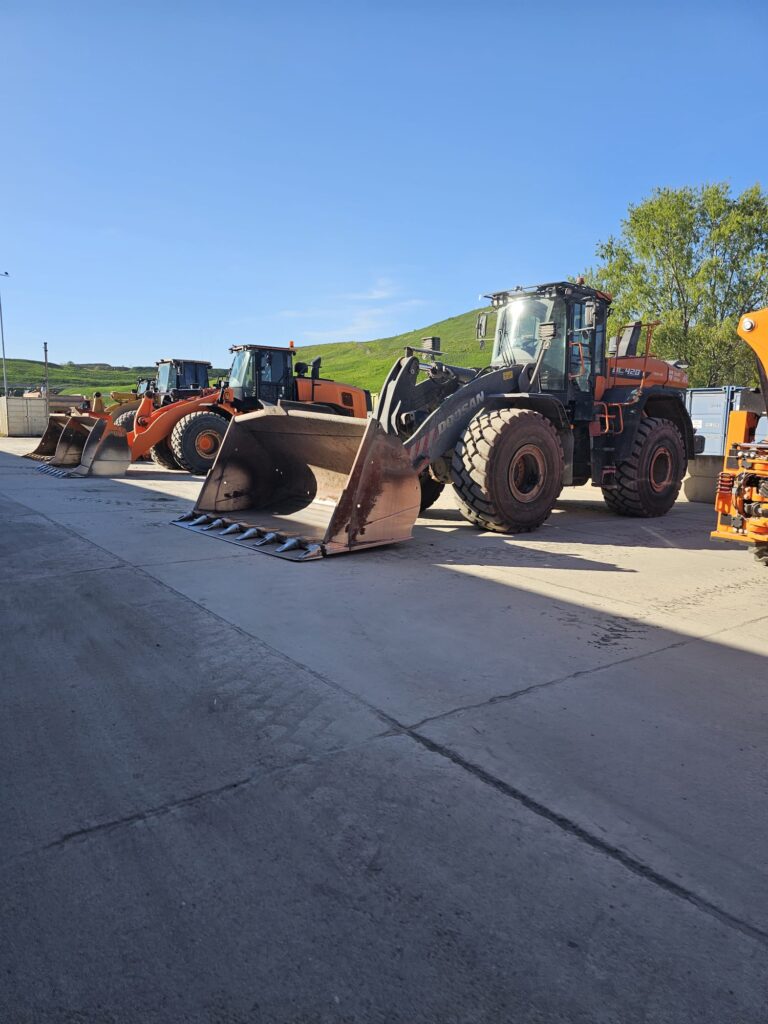
The Rautenweg landfill in Vienna stands as a prominent example of integrated waste management, particularly in its operational framework focused on the treatment of incineration residues. This facility is designed to manage a substantial amount of residual waste generated by the city, implementing a multi-faceted approach to ensure that waste is treated in an environmentally friendly manner. One of the key aspects of these operations is the careful handling of treated, odourless waste, which helps reduce the overall environmental footprint of the landfill.
As part of the landfill operations, a significant portion of residual waste undergoes a rigorous processing phase. This involves the separation and treatment of incineration residues, minimizing any potential for environmental hazards. The introduction of advanced processing techniques ensures that the waste is not only rendered odourless but also safe for environmentally sound disposal. This facilitates a reduction in the volume of waste that ultimately needs to be landfilled, thereby contributing to sustainability goals.
In terms of environmental protection, the Rautenweg landfill employs an innovative chamber system specifically designed to safeguard groundwater. This state-of-the-art method acts as a barrier, significantly preventing any potential contamination from leachate—a liquid that percolates through the landfill material. These chambers are equipped with advanced monitoring technology that consistently assesses water quality, ensuring prompt responses to any abnormalities. The landfill operators are committed to maintaining strict compliance with environmental regulations, which underscores their dedication to protecting Vienna’s natural resources.
Moreover, the collaborative efforts between waste management authorities and environmental agencies ensure that the landfill operates within a framework that prioritizes ecological sustainability. By integrating advanced waste treatment processes with robust environmental protection measures, the Rautenweg landfill exemplifies how effective operations can contribute to a sustainable future while minimizing the ecological impact of urban waste management.
Energy Production and Climate Protection Initiatives
The Rautenweg landfill in Vienna serves as an exemplary model for sustainable waste management by integrating energy production into its operational framework. One of the primary methods employed at the landfill is the conversion of landfill gas into energy. As organic waste decomposes, it generates biogas, which primarily consists of methane. This biogas is captured and processed to produce electricity and heat, significantly reducing greenhouse gas emissions. In fact, it is estimated that the landfill’s biogas facilities generate enough electricity to power approximately 2,500 households annually, while also providing heating for residential and commercial buildings in the vicinity.
Additionally, the implementation of solar energy systems further enhances Rautenweg’s energy production capabilities. The solar panels installed across various parts of the landfill harness the sun’s energy to generate clean electricity. This renewable energy supplement complements the biogas energy system, contributing to a diversified energy portfolio that underscores the landfill’s commitment to sustainability.
These initiatives have yielded remarkable climate protection benefits. Through the effective management of landfill gas, Rautenweg has achieved a significant reduction in CO2 emissions—estimated at around 40,000 tons annually. This statistic highlights the landfill’s role not only as a waste disposal site but also as a contributor to Vienna’s climate goals. Furthermore, the dual focus on energy generation and waste management positions Rautenweg as a crucial player in the city’s larger efforts to transition toward sustainable urban living.
By combining innovative technologies in energy production with effective waste management practices, the Rautenweg landfill exemplifies how landfills can play an integral role in climate protection efforts while also providing tangible benefits to the local community.
Biodiversity and Community Engagement
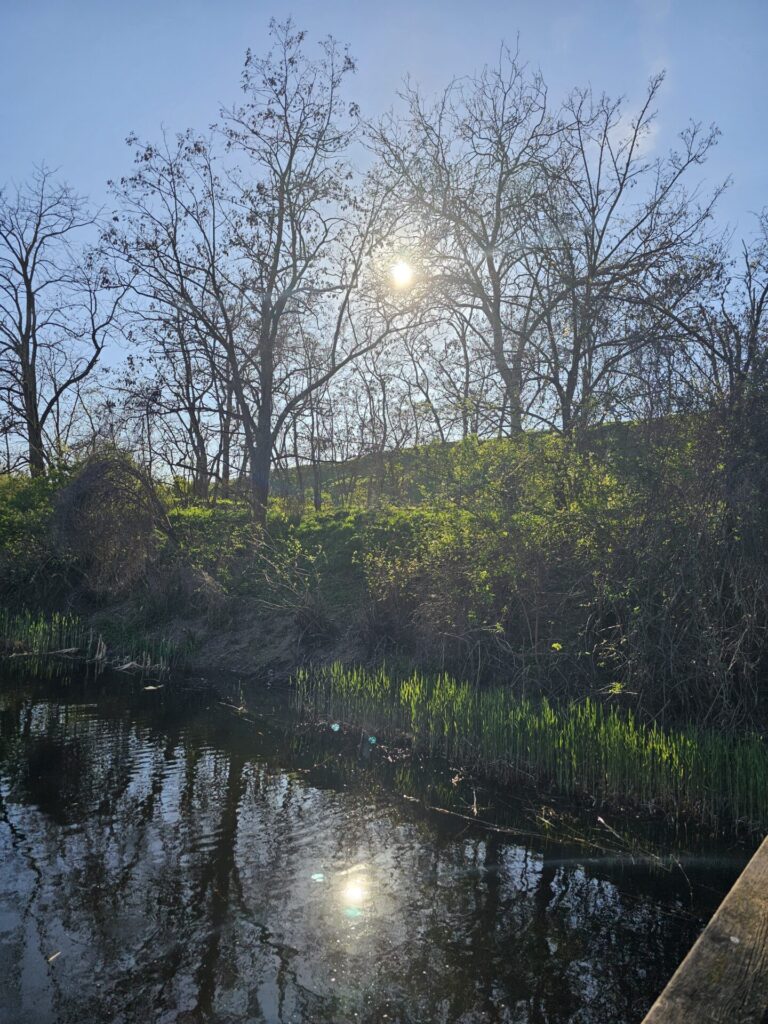
The Rautenweg landfill in Vienna serves as a compelling example of how sustainable waste management can encompass biodiversity preservation and community involvement. This facility, often perceived merely as a waste disposal site, has evolved into a significant habitat for numerous plant and animal species, enhancing ecological balance in the region. The deliberate design of the landfill, including green spaces and vegetation, has fostered a diverse ecosystem that thrives despite the industrial background.
Efforts to conserve this biodiversity are multifaceted, involving the establishment of specific zones aimed at protecting native species and their habitats. Rautenweg’s management has invested in planting native vegetation, which not only supports local flora and fauna but also significantly contributes to soil health and carbon sequestration. These initiatives have turned the landfill into a refuge for various wildlife, offering a unique opportunity for species that are often displaced in urban environments.
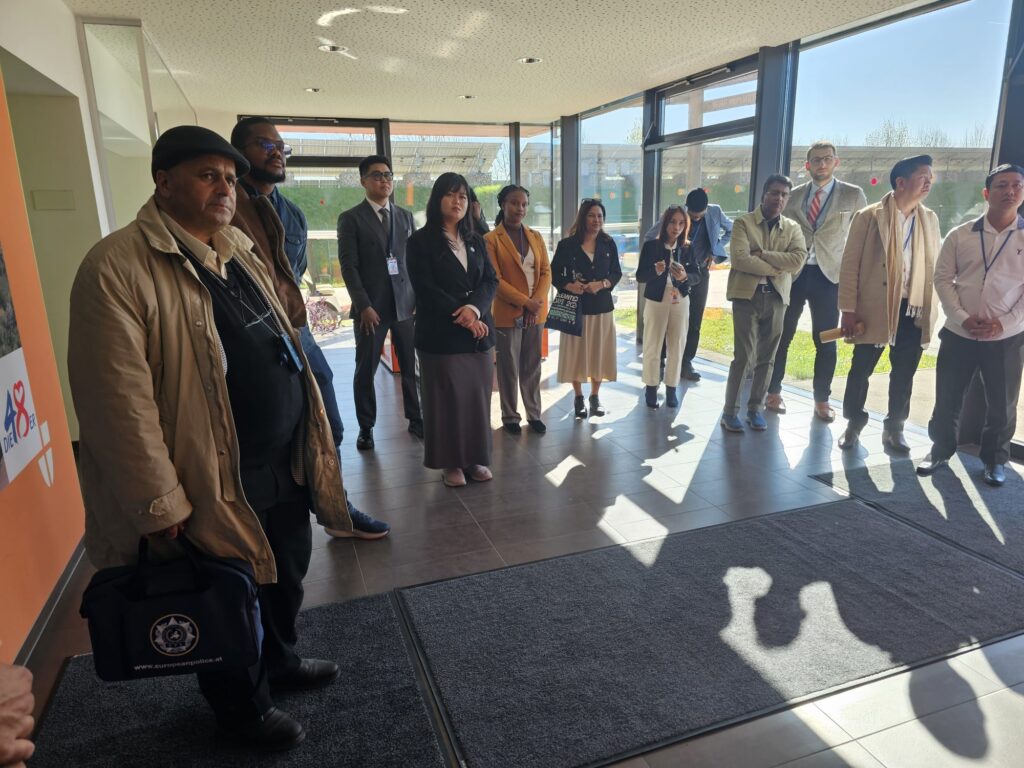
Community engagement plays a pivotal role in ensuring the long-term success of these biodiversity initiatives. The landfill offers guided tours that allow local residents and students to experience the site firsthand. Through these educational ventures, participants learn about the importance of biodiversity and sustainable waste management practices. This involvement fosters a sense of stewardship among community members and encourages environmentally responsible behaviors.
By creating a platform for interaction between the landfill and the community, Rautenweg illustrates the potential for waste management facilities to contribute positively to local ecosystems. The integration of biodiversity conservation with community activities demonstrates that waste management goes beyond its primary function; it can also support environmental education and local engagement. Such initiatives underscore the impactful role that cities can play in promoting ecological awareness and responsibility, ultimately leading to a more sustainable urban future.