Overview of the Attack
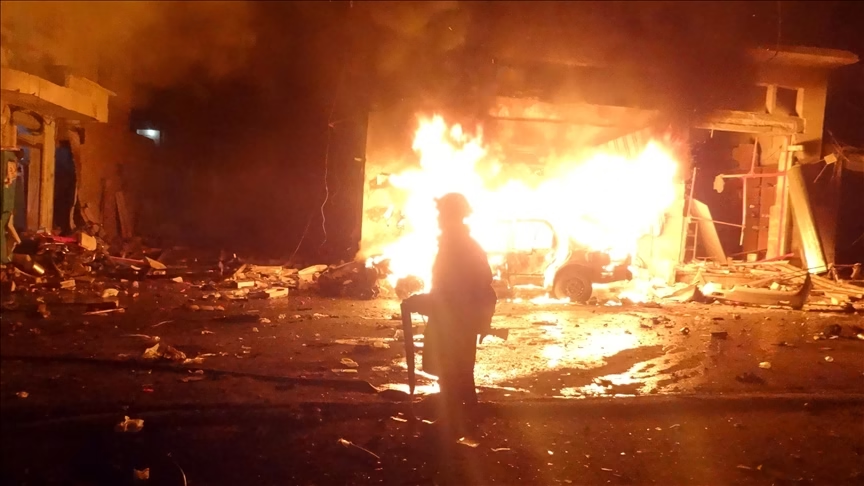
On a tragic day in Islamabad, Pakistan, a devastating attack occurred at a local mosque during the evening prayers. The incident took place on a crowded Friday, a time when many devotees are gathered for worship and community prayer. The attack unfolded around 7 PM, a peak worship hour, when the mosque was filled with faithful participants, reflecting its significance as a hub for spiritual gathering.
The circumstances surrounding the attack remain under investigation; however, eyewitness accounts describe a sudden explosion that reverberated through the mosque, leaving worshippers in a state of panic and chaos. Reports from survivors indicate that the blast was intense, with debris flying, resulting in immediate injuries and fatalities among the congregants. Witnesses recounted the horrifying scene, detailing how people rushed to help the injured, while others attempted to flee the area, engulfed in fear and confusion.
The immediate impact of the attack has been devastating. Initial reports confirmed that at least 20 individuals lost their lives, with dozens more sustaining critical injuries. The emergency response teams worked tirelessly in the aftermath, transporting the wounded to nearby hospitals where medical personnel continued to assess and treat injuries. The local authorities declared a state of emergency, highlighting the urgent need for disaster response and support for affected families.
This tragic event not only bears a heavy toll on the lives lost and injured but also deeply impacts the broader community, instilling fear and uncertainty in an environment that should promote peace and unity. The attack’s aftermath will likely resonate throughout the nation, prompting discussions surrounding security measures for places of worship, as well as broader societal implications concerning safety and communal harmony.
Statements from the United Nations Secretary-General
In light of the recent tragic attack on a mosque in Pakistan, United Nations Secretary-General António Guterres has expressed a resolute condemnation of such acts of violence, particularly those targeting civilians and religious sites. In his statement, Guterres underlined that attacks against places of worship are unacceptable, emphasizing that the sanctity of such spaces must be respected by all. He articulated that the repercussions of such violence extend beyond immediate trauma, impacting the broader fabric of society and communal harmony.
Guterres called for accountability, asserting that perpetrators of these heinous acts must face justice. He reiterated the importance of legal frameworks to deter future violence against innocent individuals and spiritual locations. This aligns with the UN’s broader mission of promoting peace and security globally, wherein it advocates for the protection of human rights and the necessity of safeguarding religious freedom, which is a cornerstone of cultural diversity and peace.
Furthermore, the Secretary-General reaffirmed the United Nations’ ongoing commitment to supporting nations, including Pakistan, in their efforts to combat terrorism and violent extremism. He acknowledged the complex challenges faced by nations in curbing terrorist activities but emphasized that cooperation at both national and international levels is essential. The UN remains dedicated to providing assistance through various resources and initiatives aimed at addressing these challenges, strengthening the capacity of national institutions to ensure the safety and security of their citizens.
In conclusion, Guterres’ statements reflect a deep commitment to advocating for peace and justice in the wake of violence, urging the international community to unite against such acts, ensuring protection for all religious practices and promoting a world where diverse expressions of faith can coexist without fear.
Reactions from International Communities
The tragic attack on a mosque in Pakistan has elicited widespread condemnation from various international leaders and organizations. The incident, which resulted in significant loss of life and injuries, has drawn attention to the urgent need for global cooperation in combating extremism and promoting religious tolerance. World leaders from diverse regions have expressed their solidarity with the victims and their families, reinforcing the message that such acts of violence cannot be tolerated.
In a statement, the Secretary-General of the United Nations emphasized the need for justice and accountability in the aftermath of the attack, urging law enforcement agencies to conduct a thorough investigation. He reaffirmed the UN’s commitment to supporting Pakistan in its fight against terrorism, highlighting that acts of violence targeting individuals based on their religious beliefs undermine the fundamental principles of humanity.
Several countries, including the United States, have also voiced their support for Pakistan, with leaders condemning the attack and calling for a unified stance against terrorism. They recognize the need for collaborative efforts to prevent such incidents, not only in Pakistan but globally. Additionally, regional organizations such as the Organization of Islamic Cooperation (OIC) have issued statements of solidarity, emphasizing the shared responsibility of all nations to promote peaceful coexistence and combat radical ideologies.
Local Pakistani leaders have echoed these sentiments, with many community organizations mobilizing to support the victims’ families. Initiatives have been proposed to foster interfaith dialogue and education, aiming to reduce sectarian tensions and promote understanding among different religious communities. The attack serves as a sobering reminder of the enduring challenges faced in achieving peace and security in the region.
The Importance of Combating Violence and Terrorism
The recent attack on a mosque in Pakistan underscores the urgent need for concerted efforts to combat violence and terrorism that threaten the sanctity of places of worship across the globe. Such acts of aggression not only result in tragic loss of life but also fuel an atmosphere of fear and division among communities that are foundational to societal stability. The impact of terrorism extends beyond immediate loss; it erodes trust among different racial and religious groups, undermining efforts toward social cohesion and mutual respect.
Addressing these challenges requires a multi-faceted approach that includes international cooperation and collaboration among nations to enhance the effectiveness of counter-terrorism strategies. Countries must share intelligence, resources, and best practices to effectively combat extremist ideologies that often lead to violent acts. Furthermore, addressing the root causes of terrorism, such as poverty, lack of education, and political disenfranchisement, is essential in reducing the allure of extremist groups.
International organizations, such as the United Nations, play a pivotal role in forming coalitions that advocate for peace and security, emphasizing the need for dialogue among cultures and religions. Initiatives aimed at fostering understanding and tolerance can contribute significantly to mitigating the factors that lead to violence. Encouraging interfaith dialogues and community programs can aid in breaking down prejudices, promoting acceptance of diversity, and enhancing resilience against extremist narratives.
The responsibility to protect vulnerable communities and prevent attacks on places of worship rests not solely with individual governments but with the global community as a whole. It is imperative for nations to unite, moving beyond a reactive stance to a proactive commitment towards sustaining peace and security. This collective effort must include advocacy for human rights and freedoms, ensuring that everyone, regardless of belief, can practice their faith safely.