Introduction to Waste Trafficking
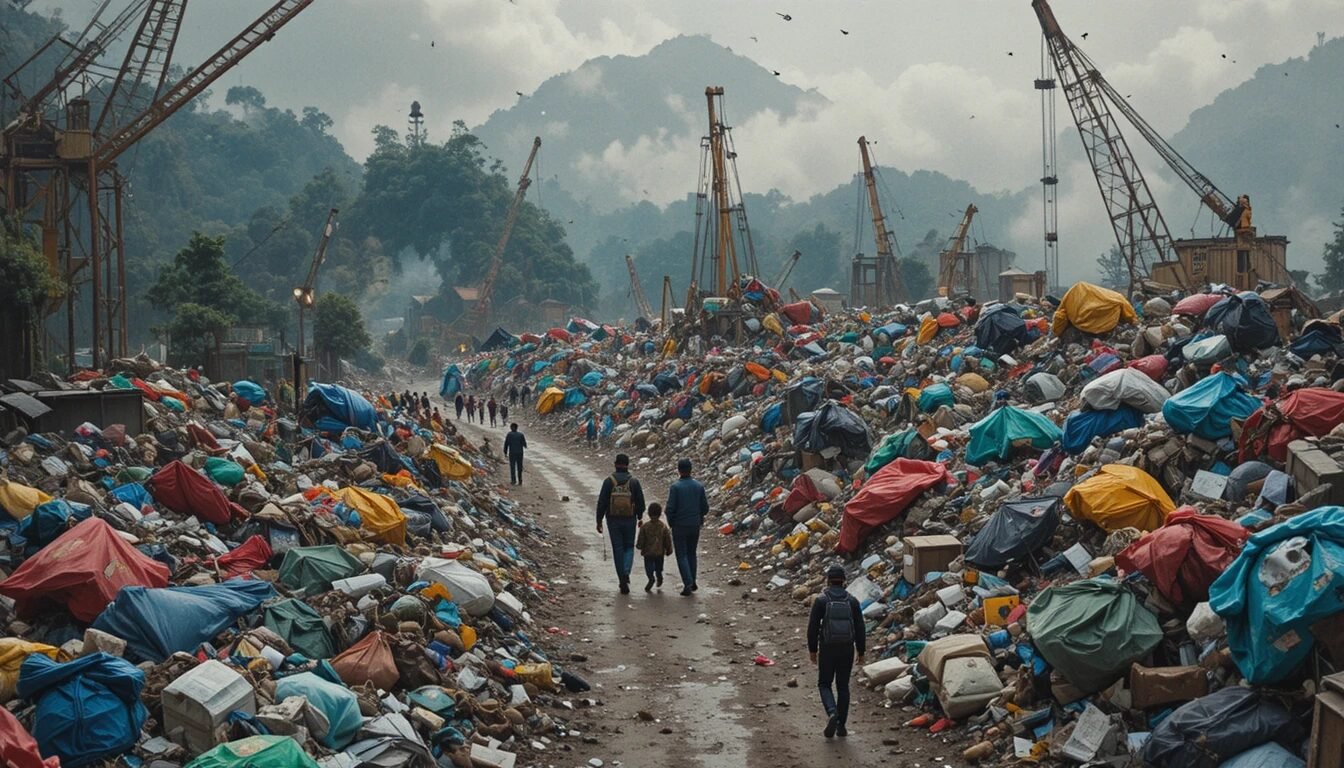
Waste trafficking refers to the illegal movement of waste materials across borders, often escaping the legal processes designed to manage and dispose of such waste safely. This illicit activity poses a severe challenge to both global public health and environmental integrity. Trafficking can encompass a wide variety of waste types, with electronic waste (e-waste) and plastic waste being the most commonly smuggled materials. E-waste often contains hazardous substances like lead, mercury, and cadmium, which can leach into the environment, causing extensive damage to ecosystems and human health. Similarly, plastic waste contributes significantly to pollution, affecting marine life and terrestrial habitats alike.
The global significance of waste trafficking is particularly evident in low-income countries that are often the recipients of such harmful waste. Wealthier nations sometimes export their waste under the guise of recycling or recovery, transferring the burden of waste management to less developed regions. These countries may lack the necessary infrastructure and regulatory frameworks to handle hazardous waste correctly, leading to unchecked pollution and health risks for their populations.
The economic implications of waste trafficking are also profound. Regions targeted for waste disposal may initially see an influx of cash regarding waste import, but the long-term costs associated with health interventions and environmental cleanup often outweigh these short-term gains. Moreover, this illegal practice often undermines legitimate recycling industries and sustainable waste management solutions, further perpetuating a cycle of environmental degradation.
Overall, understanding the nature of waste trafficking is crucial for addressing its far-reaching consequences. Awareness and action are necessary to prevent the significant threat this issue poses to public health and the environment globally.
The Mechanisms of Waste Trafficking
Waste trafficking represents a complex interplay of various criminal activities, primarily driven by the desire to evade regulations and cut costs. Organized crime groups and certain corporations exploit legislative gaps and enforcement limitations to facilitate the illegal trade of waste. These entities employ a multitude of tactics that allow them to navigate around the regulatory frameworks designed to manage waste disposal responsibly.
One of the most common methods utilized in waste trafficking is document forgery. This tactic involves the creation of fraudulent documentation that misrepresents the origin, nature, and disposal methods of waste shipments. By utilizing fake manifests or certificates, traffickers can easily deceive authorities and transport hazardous materials under the guise of legitimate waste. This practice not only undermines the integrity of regulatory systems but also endangers the environment and public health.
Additionally, bribery plays a critical role in the operations of waste traffickers. Corruption can permeate various levels of government and law enforcement, allowing illicit activities to go unchecked. By offering financial incentives to officials, traffickers can ensure the smooth passage of their waste shipments, thus bypassing the scrutiny necessary for lawful disposal. This corrupt dynamic further complicates efforts to address waste trafficking and brings to light the intricate relationship between organized crime and governmental oversight.
Moreover, the creation of fraudulent waste streams is another strategy employed by those engaged in waste trafficking. Entities may claim non-hazardous waste as recyclable or reusable materials, when in fact, it is meant for unlawful disposal in regions ill-equipped to manage such substances properly. These operations not only lead to significant environmental harm but also establish a hazardous precedent that perpetuates the cycle of illegal waste trade.
The Scale and Impact of Waste Trafficking
Waste trafficking represents a significant global challenge, characterized by the illicit transfer of waste materials from developed nations to developing regions. This extensive trade is fueled by the disparities in environmental legislation and enforcement between high-income and low-income countries. Estimates suggest that the global waste trade is worth billions of dollars annually, with hazardous waste often being exported despite strict regulations. According to a report from the United Nations, around 600 million tons of hazardous waste are produced globally each year, and a substantial portion is trafficked illegally.
The nature of waste flows often concentrates on e-waste, plastics, and industrial by-products, predominantly originating from countries with stringent waste disposal regulations. High-income countries, embroiled in the complexities of waste management, frequently resort to exporting their waste issues abroad, inevitably placing the burden on economically vulnerable populations. This phenomenon not only raises ethical concerns but also inflicts severe socio-economic and environmental consequences on receiving communities.
Communities in lower-income regions face considerable health risks, stemming from exposure to hazardous materials often discarded improperly. There is a notable correlation between the illegal disposal of hazardous waste and the emergence of public health crises, mainly attributed to pollution of air, soil, and water sources. Vulnerable populations, particularly in low-income areas, encounter heightened risks of respiratory illnesses, skin diseases, and other long-term health complications linked to toxic waste exposure. Furthermore, the environmental degradation arising from such practices manifests in diminished biodiversity and the degradation of local ecosystems.
In conclusion, waste trafficking is a pervasive issue that not only reflects the inequalities in global waste management but also poses profound risks to public health and the environment. Addressing these challenges requires cooperative international efforts aimed at ensuring effective waste management policies that protect both vulnerable communities and ecological integrity.
Toward Solutions: Regulatory and Enforcement Strategies
Addressing the pressing issue of waste trafficking necessitates a multifaceted approach involving regulatory reforms and enhanced enforcement mechanisms. A key strategy involves the development and implementation of harmonized regulations and penalties across borders. This uniformity can significantly aid in facilitating international cooperation and ensuring that nations uphold similar standards in waste management. The disparity in regulations between countries often serves as a loophole that traffickers exploit. By aligning policies, countries can effectively deter illicit activities and hold offenders accountable.
Furthermore, the role of enhanced communication among nations cannot be overstated. Establishing robust channels for information exchange regarding waste management and trafficking routes is critical. This can involve collaborative efforts such as joint intelligence-sharing initiatives, which can assist in tracking the origins and destinations of illegally transported waste. Enhanced communication will not only increase awareness of trafficking patterns but also foster a collaborative approach to developing comprehensive waste management systems. Countries can better coordinate their enforcement operations, leading to more effective interceptions of illegal waste shipments.
Another promising avenue involves investing in technology that can aid in monitoring and managing waste transportation. Utilizing satellite imagery, data analytics, and tracking systems can provide real-time insights into waste flows and assist authorities in pinpointing irregular activities. Such technological innovations can complement regulatory frameworks and aid enforcement agencies in their efforts to combat waste trafficking.
In essence, a combination of stricter regulations, improved communication, and advanced technologies presents a hopeful outlook towards mitigating the flow of illegal waste. Through concerted efforts and international solidarity, it is possible to protect public health and the environment from the detrimental impacts of waste trafficking.