The Genesis of U.S.-Iran Hostility
The roots of U.S.-Iran hostility can be traced back to the seismic events of the 1979 Islamic Revolution, which marked a significant turning point in Iran’s history and its relationship with the United States. Prior to this period, Iran had been a crucial ally of the U.S. in the Middle East, with the Shah’s regime promoting Western ideals. However, as the revolution unfolded, this alliance disintegrated, leading to the severance of diplomatic ties. Iran’s new leadership, characterized by its anti-Western sentiment, viewed the United States as a principal adversary, epitomized by the labeling of Israel as the ‘little Satan.’
Following the revolution, the Iranian government sought to export its revolutionary ideology not only within its borders but also to the Shiite populations of various Arab nations, further straining regional dynamics. This ideological expansion was perceived by the U.S. and its allies as a direct threat, laying the foundation for a series of proxy conflicts in the region. As Iran bolstered its influence through alliances with groups like Hezbollah in Lebanon, tensions escalated, culminating in a variety of covert operations undertaken by the U.S. to counter Iranian expansion.
Over the years, these hostilities manifested in multiple forms, including economic sanctions and military interventions, creating a cycle of retaliation and conflict. The complexities of U.S.-Iran relations deepened through incidents such as the Iran-Iraq War in the 1980s, where the U.S. supported Iraq, further complicating the relationship. This ongoing escalation of hostility eventually paved the way for the June 2025 war, marking a significant shift from covert operations to open conflict, fundamentally altering the geopolitical landscape of the Middle East.
Diplomatic Efforts and Their Failures
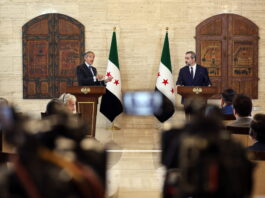
The Trump administration’s approach to Iran was marked by a multifaceted strategy aimed at negotiating a comprehensive agreement that would address critical issues, such as the nation’s nuclear ambitions and missile programs. Key diplomatic engagements were initiated in various locations, notably Oman and Geneva. These rounds of negotiations sought to foster dialogue and reduce tensions, ultimately aiming to reach a framework that could prevent escalation into military conflict.
During these discussions, significant points of contention emerged. Central to the dialogue were Iran’s uranium enrichment activities and its ongoing missile development. The U.S. sought stringent limitations on Iran’s nuclear enrichment capacity, fearing that an unregulated program could lead to the development of nuclear weapons. However, Iran’s insistence on maintaining its right to uranium enrichment complicated these negotiations. It became apparent that both nations held fundamentally different priorities, which obstructed progress.
Moreover, the Trump administration’s withdrawal from the Joint Comprehensive Plan of Action (JCPOA) in May 2018 had far-reaching implications for subsequent negotiations. This withdrawal not only signaled a lack of commitment to previously agreed terms but also fostered a sense of distrust. As diplomatic efforts continued, the Iranian government reacted to the U.S. sanctions by advancing its nuclear program beyond the limits set by the JCPOA, leading to a further erosion of trust.
The collapse of these diplomatic efforts led to a reevaluation of U.S. military strategy in the region. With negotiations failing to yield a solution, the perceived necessity for direct intervention regarding Iran’s nuclear capabilities heightened. This shift illustrated the intricate balance of diplomacy and military action in addressing the complexities of U.S.-Iran relations, with each failure in dialogue bearing significant consequences for both countries and the broader geopolitical landscape.
The Strategic Calculus: Iran and Israel’s Trap for the U.S.
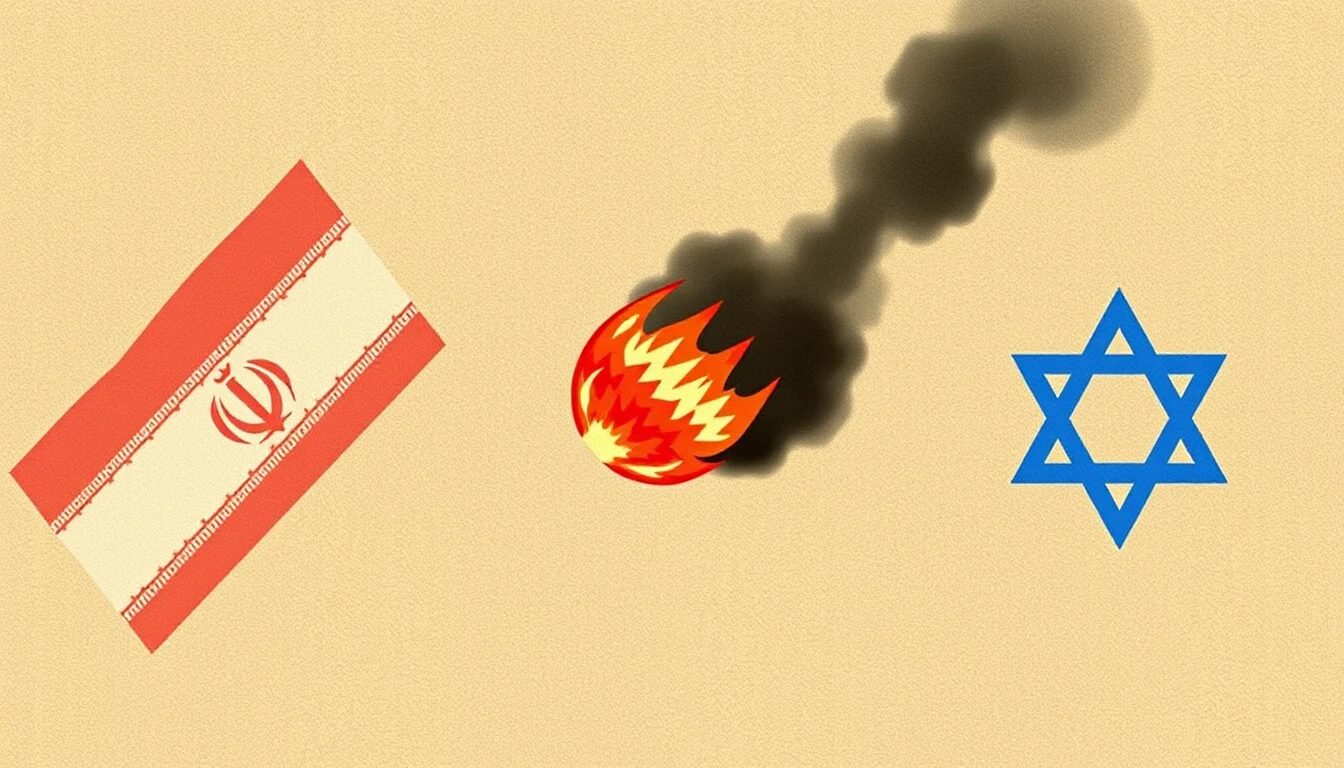
The complex interplay between Iran and Israel has significantly influenced U.S. military involvement in the region, leading to a precarious situation for American foreign policy in the Middle East. This ongoing conflict has woven a multifaceted narrative of hostilities, with reciprocal strikes serving as a catalyst for escalation. In this volatile environment, the United States has found itself pressured to respond, as its Gulf allies perceive Iran’s actions as a direct threat to regional stability.
In recent years, targeted military operations aimed at Iranian infrastructure have become more frequent. These operations are not only seen as a defensive measure by Israel but also as a strategic move designed to compel the United States to take an active role in containing Iranian influence. The nature of these engagements, often characterized by cyberattacks or airstrikes, showcases a calculated method to provoke a U.S. response without escalating to full-scale war.
Moreover, the U.S. faces a dilemma: the need to honor commitments to its allies while managing its own interests in the region. Following a series of retaliatory engagements, including strikes on Iranian facilities and the presence of military assets in the Gulf, the strategic calculus has grown more intricate. U.S. officials find themselves navigating a landscape where inaction may be viewed as weakness, thereby heightening the risk of potential attacks. This pressure has escalated tensions, keeping the United States on a precarious brink of entering a larger conflict.
The implications of this involuntary entanglement for American foreign policy are profound. The ongoing confrontations not only influence the military strategy employed in the region but also reflect on the U.S. stance in broader geopolitical discourses. The necessity for careful maneuvering in such a multifaceted conflict emphasizes the delicate balance the United States must maintain to protect its interests while promoting stability.
Consequences and the Path Forward: Seeking Stability and Peace
The ongoing military conflict between the U.S. and Iran has significant repercussions that reverberate far beyond the battlegrounds. One of the most pressing consequences is the profound economic instability in the Gulf region, particularly concerning energy insecurity. The Gulf states, which play a crucial role in global oil and gas supply chains, face serious disruptions that can lead to skyrocketing energy prices worldwide. Such economic impacts extend to consumers across the globe, affecting everything from transport costs to consumer goods.
Moreover, the humanitarian implications of this conflict cannot be overlooked. Concern for civilian safety and well-being is paramount, as military actions endanger lives and exacerbate the refugee crisis. Tensions escalate fears of a nuclear crisis, especially given Iran’s nuclear ambitions. A nuclear-armed Iran could significantly shift the balance of power in the region, resulting in a dangerous arms race among neighboring states. The potential for catastrophic miscalculations makes clear the urgent necessity for de-escalation.
To prevent further deterioration of the situation, the focus must shift towards diplomatic resolutions. Engaging Iran in negotiations that prioritize long-term security without conceding to a nuclear-armed state is imperative. Such diplomatic efforts could involve multilateral talks, where U.S. allies play a pivotal role in communicating and reinforcing shared security interests. A collaborative approach not only mitigates tensions but also fosters a unified front that discourages any aggressive posturing from Tehran.
The commitment to a peaceful resolution must become a top priority for all parties involved. Through dialogue and collaboration, it is possible to pave the way toward stability and peace within the region. The risks of continuing down the path of conflict are too great to ignore, making the necessity for a concerted and proactive approach all the more critical.