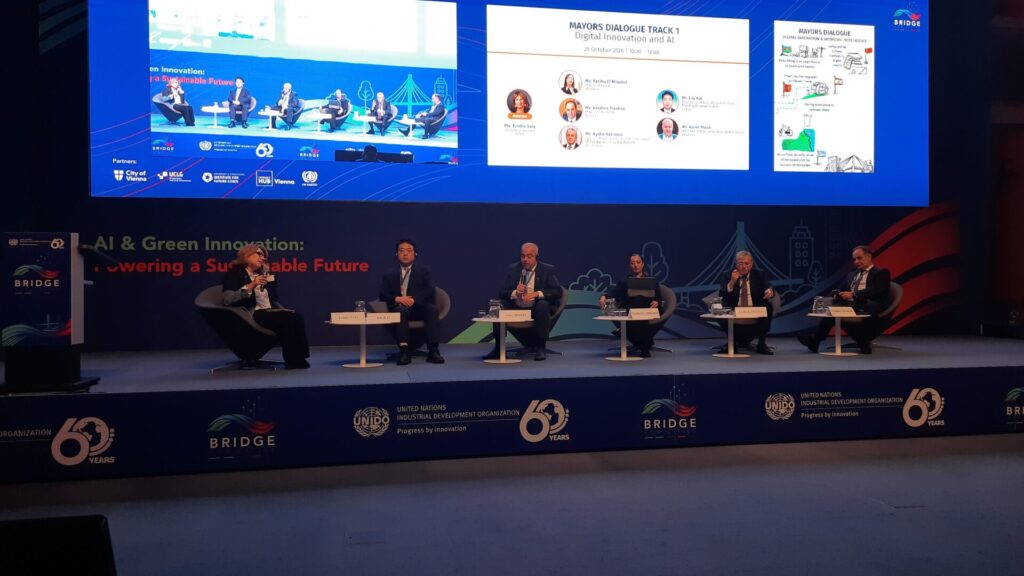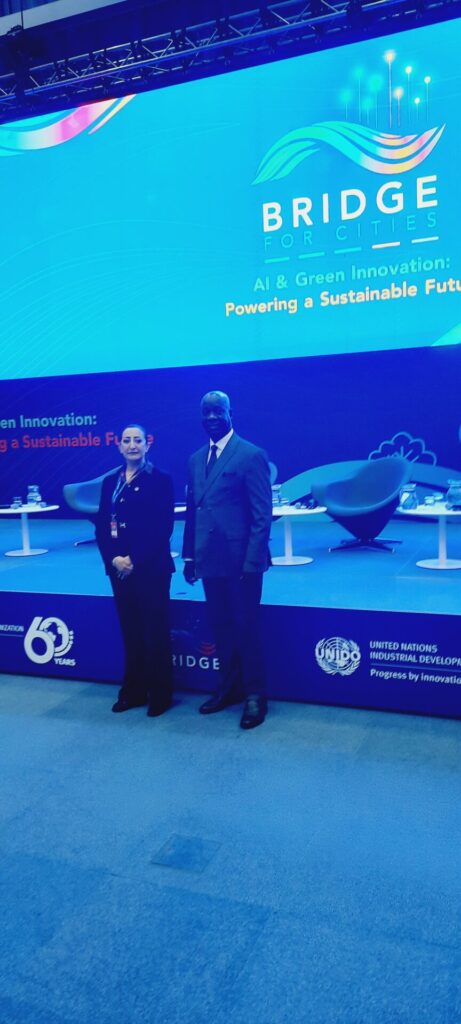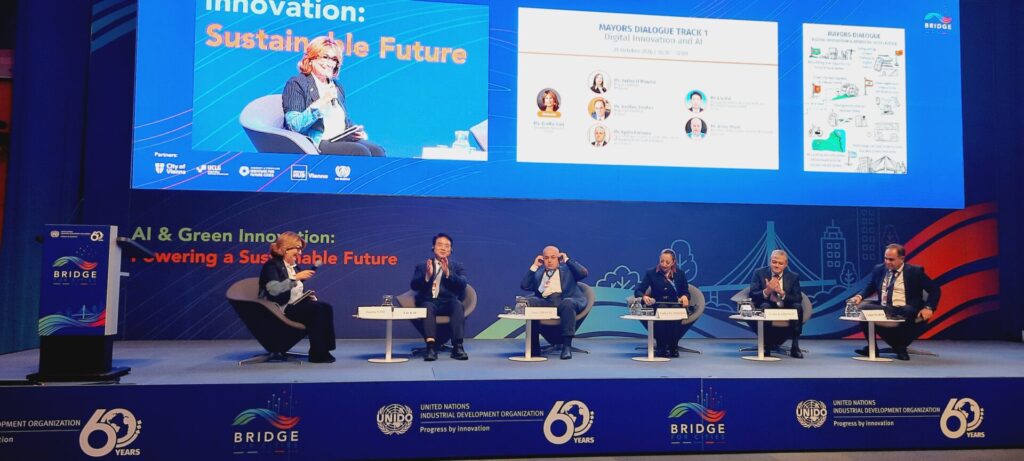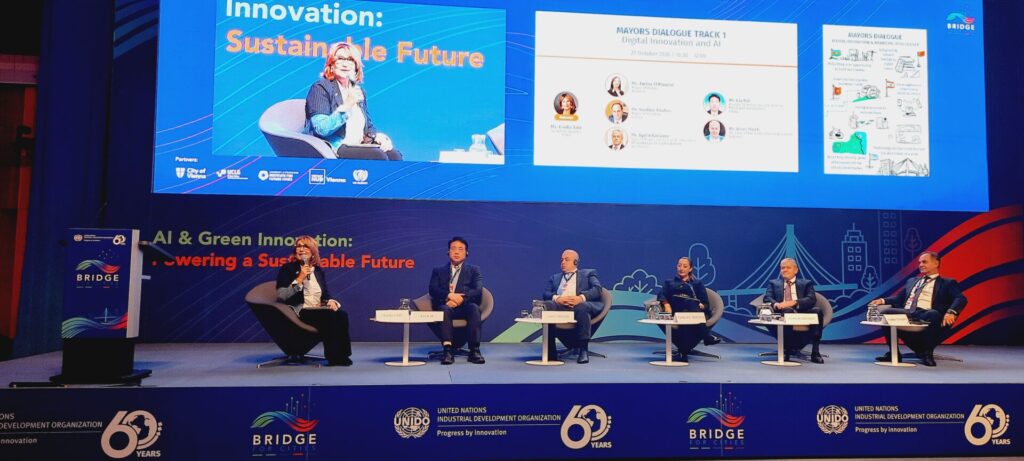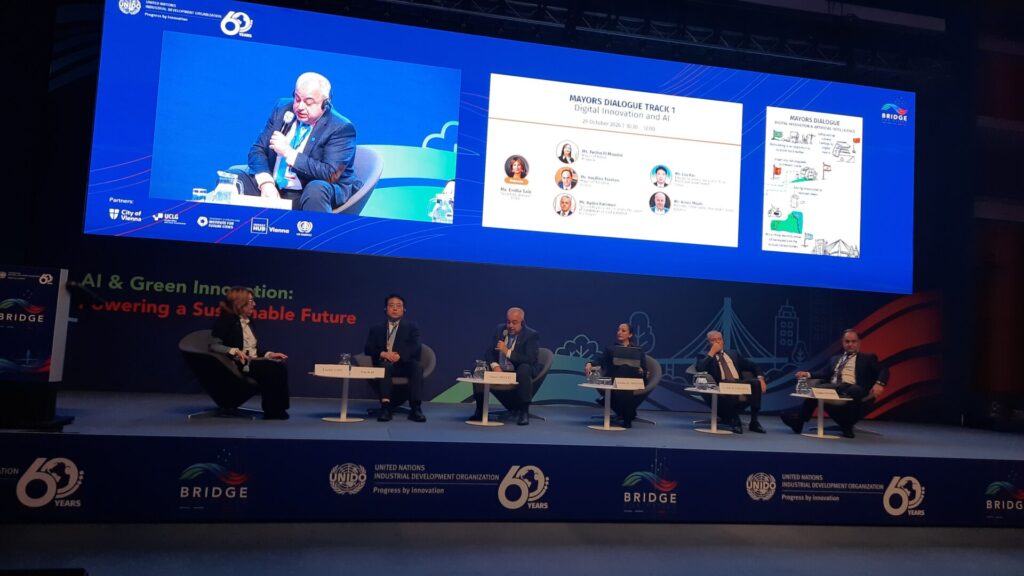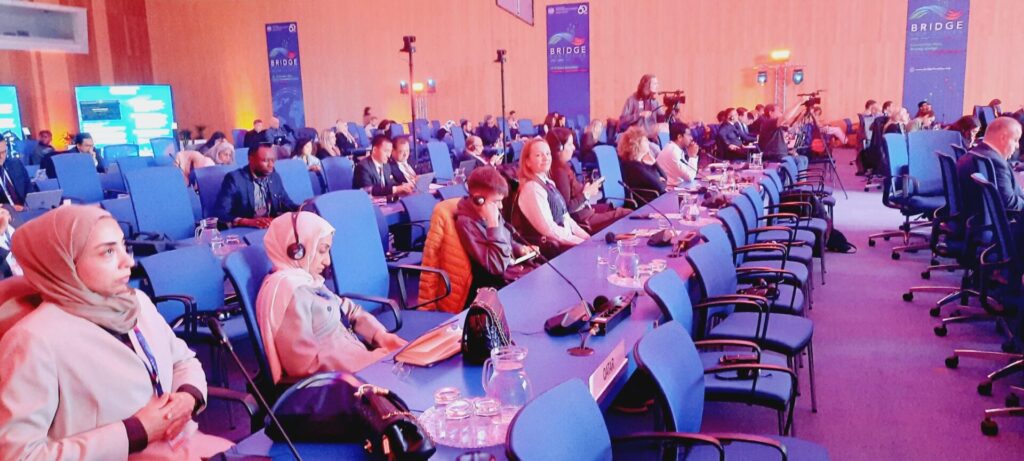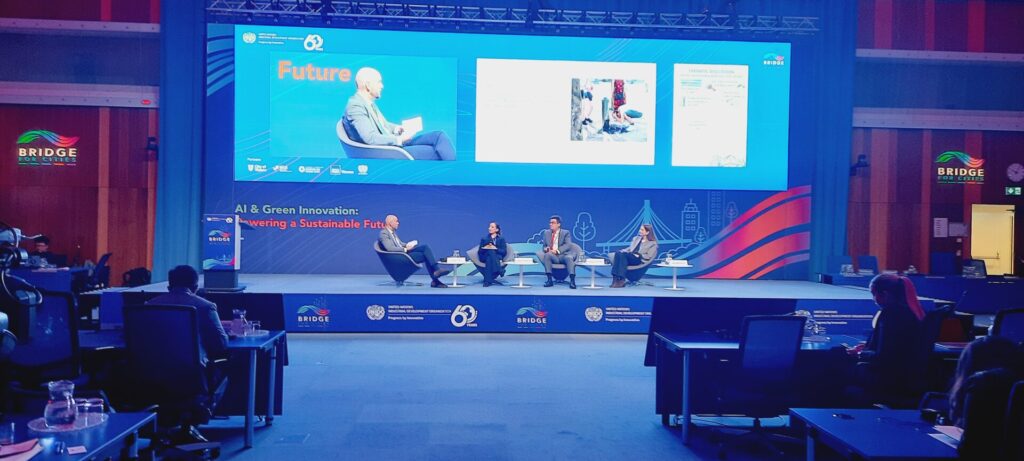



Bridge for Cities has provided a setting for city leaders, industry, international organizations and other partners to consider how urban development and industrial change can be addressed together. The initiative recognizes that cities face connected pressures: population growth, demand for services and infrastructure, environmental constraints, and the need for productive livelihoods. These issues rarely fit within the remit of a single institution or sector. By bringing different perspectives into one conversation, Bridge for Cities creates space to examine priorities, share approaches and identify areas where collaboration may be useful.
Across its decade of activity, the initiative’s conversations have reflected the changing questions confronting urban areas. As cities reassess planning, production, mobility, resource use and resilience, dialogue has broadened beyond treating urban growth as a matter of physical expansion. Participants can consider how governance, investment, technology and skills intersect, and how decisions made by public authorities and businesses shape daily life. The continuing value of the platform lies not in assuming that every city shares the same circumstances, but in making room for varied experiences and priorities. Its evolution reflects a wider shift: urban policy increasingly depends on coordination across levels of government and across public, private and international spheres.
This exchange also highlights the relationship between inclusive urban growth and industrial development. Industry can contribute to local economies and employment, while cities provide the infrastructure, institutions and markets that enable businesses and workers to operate. Neither relationship is automatic: the benefits of growth depend on choices about access, planning, environmental responsibility and the distribution of opportunities. Bringing city and industry perspectives together can help partners consider these connections and the needs of residents, including access to decent work, essential services and a healthy urban environment. Over ten years, Bridge for Cities has offered a continuing forum for that discussion, linking the realities of urban development with the broader question of how industrial progress can support more inclusive opportunities in the years ahead.
Over its first decade, Bridge for Cities has underscored that urban and industrial development cannot be planned as separate agendas. Industrial activity shapes employment, infrastructure demand, land use, and environmental pressures, while cities determine whether firms can access skills, transport, energy, and services. Coordinated planning helps align these systems early, reducing costly conflicts and ensuring that investment supports wider urban priorities rather than operating in isolation. It also enables local authorities to anticipate change and direct growth toward inclusive, resilient outcomes.
Productive partnerships are another consistent lesson. Public institutions set regulations and provide essential services, businesses contribute investment and technical expertise, and communities bring knowledge of local needs and potential impacts. Dialogue among these groups can build trust, reveal trade-offs, and turn broad goals into projects with clear responsibilities. Partnerships work best when they continue beyond initial consultations, with transparent decision-making and opportunities for people affected by development to shape plans and monitor progress.
Sustainable infrastructure and innovation are most effective when treated as connected priorities. Reliable, resource-efficient transport, energy, water, and waste systems can strengthen industrial productivity while reducing emissions and improving quality of life. New technologies and business models can support this transition, but they must be matched with suitable skills, financing, and governance. Planning for infrastructure over the long term helps cities avoid locking in unsustainable patterns and makes it easier to adapt as economic and environmental conditions change.
The initiative also highlights that no single model can be applied everywhere. Cities differ in their industrial base, institutional capacity, geography, finances, and social priorities, so policies must respond to local conditions. Broad ambitions—such as decent work, competitiveness, and environmental protection—become practical when translated into locally grounded targets and sequenced actions. Continued exchange among cities can share useful experience without assuming identical solutions. This combination of learning, partnership, and context-sensitive planning offers a stronger basis for connecting economic activity with social and environmental goals.
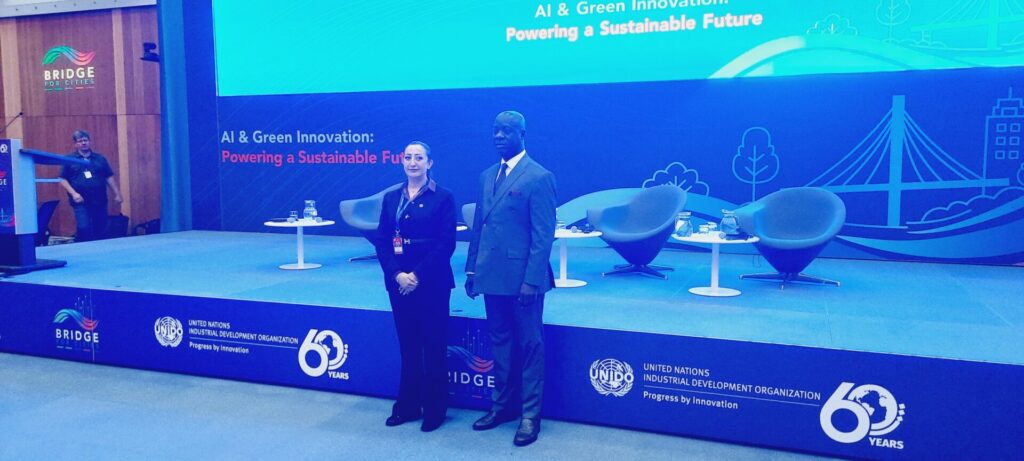
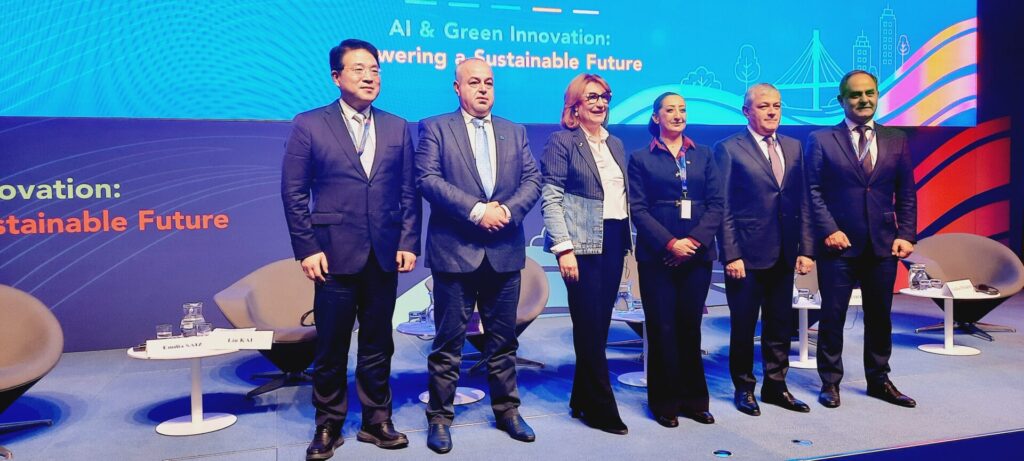
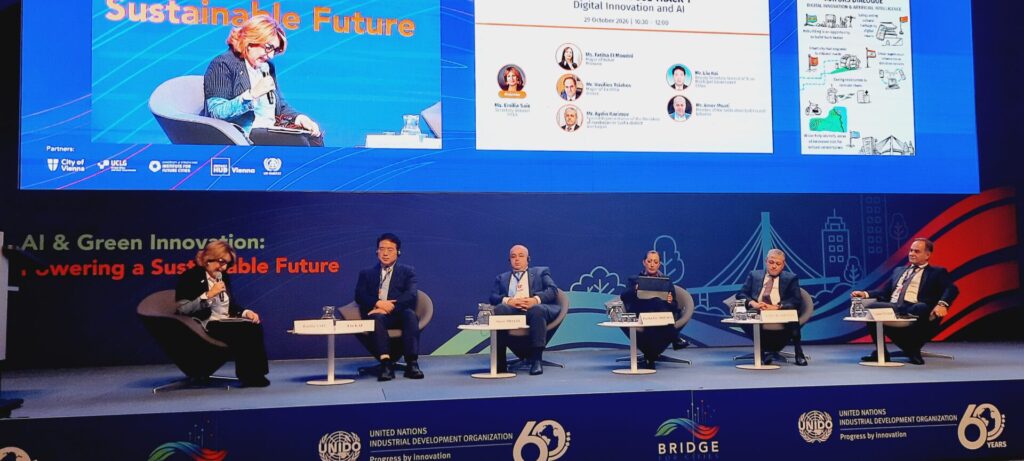
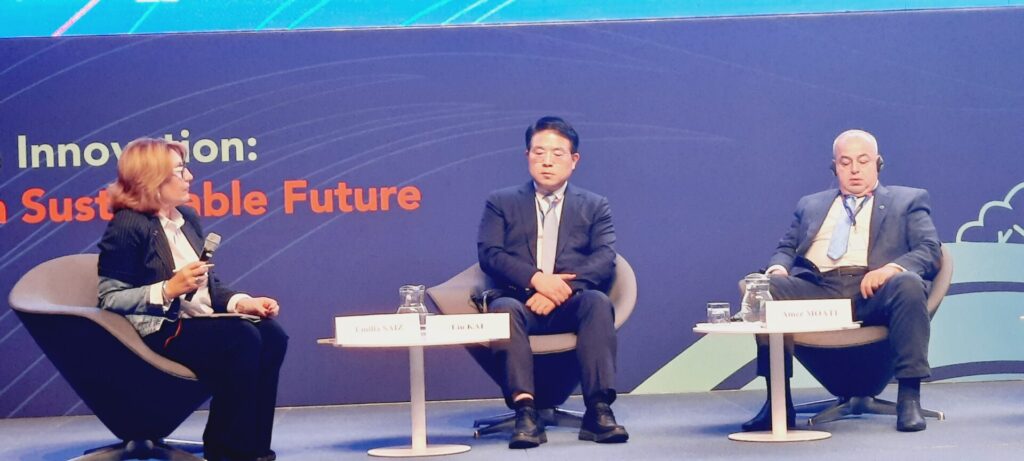
Vienna’s 2026 edition of Bridge for Cities marks a significant milestone: ten years of bringing together perspectives on the relationship between urban development and industrial transformation. The anniversary offers more than an opportunity to look back. It opens a conversation about how the initiative can respond to changing conditions in cities and help shape the next phase of urban-industrial development. As urban populations, technologies, and economic pressures evolve, the choices made by public institutions, businesses, and communities will influence how cities work and who benefits from progress.
Artificial intelligence is identified as part of the edition’s motto, signalling that its relevance to cities will be considered. The available description does not provide the motto’s full wording or a detailed agenda, so the focus can be understood as an invitation to explore questions rather than a predetermined set of answers. Participants may consider where AI could support urban services, from managing infrastructure and responding to demand to improving the coordination of transport and other essential systems. They may also examine how data-driven tools could contribute to industrial productivity, urban planning, and public decision-making, while recognising that outcomes depend on how these tools are designed and used.
That discussion also requires attention to risks and safeguards. Unequal access to digital infrastructure, skills, and reliable data could mean that some residents, businesses, or neighbourhoods benefit less than others. Accountability matters when automated systems influence services or policy choices, while privacy concerns arise wherever personal or sensitive information is collected and analysed. A constructive conversation about AI in urban development should therefore consider not only technical capacity, but also transparency, oversight, inclusion, and public trust. By placing these questions within its tenth-anniversary edition, Bridge for Cities can connect the promise of innovation with the practical responsibilities of building productive, accessible, and well-governed cities in the years ahead.
The next decade of urban-industrial development will be shaped not simply by which technologies cities adopt, but by how effectively they connect innovation to residents’ needs. Digital systems, automation, clean energy and new approaches to production can improve services and create economic opportunities. Yet their value depends on whether they address local priorities, such as reliable infrastructure, decent work, accessible public services and environmental resilience. City leaders and their partners must therefore assess new tools against clear public outcomes, consider potential risks, and involve communities in decisions that affect daily life. Technology should support inclusive development rather than become an end in itself.
Turning this ambition into practice requires sustained investment in people and institutions. Workers need opportunities to develop relevant skills, while businesses, educators and public agencies can collaborate to connect training with changing labor-market demands. Municipal institutions also need the capacity to plan, coordinate investment, manage data responsibly and evaluate results. Responsible collaboration matters: governments, industry, research organizations and civil society bring different expertise, but cooperation works best when roles are transparent and public interests remain central. Stronger links between urban policy and industrial development can help cities build productive economies while responding to climate pressures and widening inequalities.
These priorities should be measured by who benefits. Policies and partnerships can widen access to employment, skills, services and new markets, including for groups often excluded from economic opportunity. The coming years will call for practical experimentation, honest evaluation and the willingness to adapt approaches when evidence shows they are not delivering equitable results. Bridge for Cities can continue to provide a platform for exchange and cooperation among cities and their partners. The Vienna 2026 edition offers a timely opportunity to consider lessons from the past decade, share approaches that have proved useful, and identify concrete directions for the years ahead. By connecting experience with action, the initiative can help shape urban-industrial development that is innovative, capable and broadly shared.