
The Current State of the Ceasefire
The ceasefire in Gaza, while ostensibly providing a mechanism for peace, remains an incredibly fragile agreement marked by ongoing tensions and sporadic acts of violence. Despite efforts from various entities to establish and maintain this fragile peace, incidents of hostilities have persisted, undermining both the spirit and the effectiveness of the ceasefire. Reports from civilians and media indicate a series of confrontations that have erupted since the ceasefire was declared, raising serious concerns regarding its sustainability.
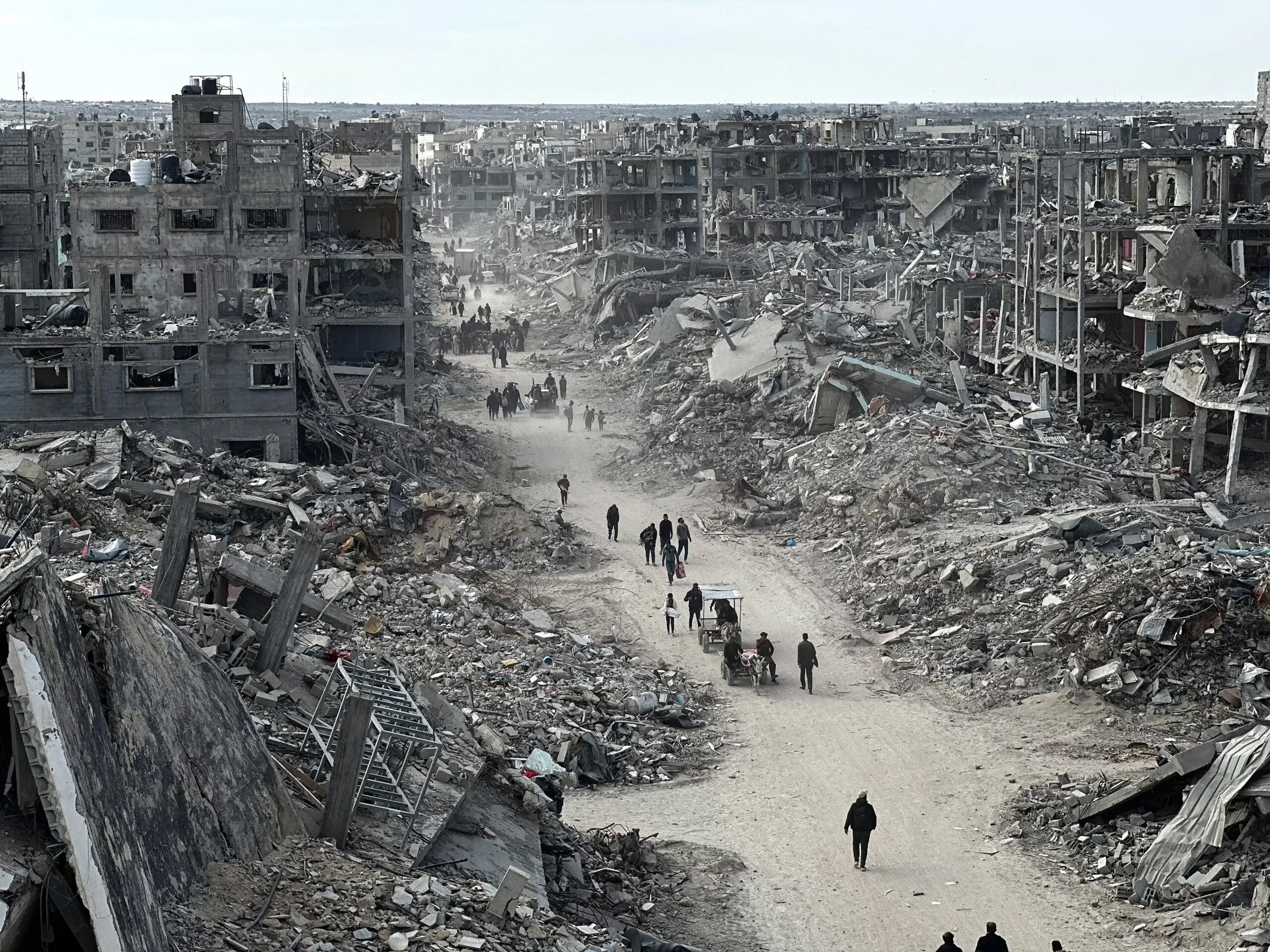
Recent weeks have revealed numerous incidents where ceasefire violations were reported, including artillery shelling and aerial bombardments. These attacks not only inflict damage on the already beleaguered infrastructure of Gaza but also exacerbate the humanitarian conditions faced by the civilian population. In light of these developments, it is evident that the ceasefire remains tenuous, with each episode of violence posing a significant threat to the overall stability of the region.
Moreover, the political landscape surrounding the ceasefire complicates matters further. Various factions within Gaza, alongside external actors, continue to express conflicting interests that challenge the maintenance of peace. The involvement of international stakeholders has, at times, magnified divisions rather than ameliorated them. Thus, the delicate balance that is supposed to support this ceasefire is continually disrupted by both local and international dynamics.
In conclusion, the current state of the ceasefire in Gaza reflects an intricate web of challenges. Regular violations and military engagements indicate that a fragile peace prevails, characterized by uncertainty and ongoing humanitarian crises. It is essential for all parties involved to reassess their commitments to ceasefire agreements to foster a more stable and peaceful environment for the residents of Gaza.
Humanitarian Needs: An Escalating Crisis
The humanitarian crisis in Gaza has reached unprecedented levels, driven by ongoing conflicts that severely impact the daily lives of civilians. Recent reports indicate that over two million people are now living under conditions of extreme distress, with a staggering 80% of the population reliant on humanitarian assistance. This dependence underscores the urgent need for increased aid and a resolution to the ongoing violence.
Access to basic necessities such as food and clean water has become critically limited. According to the World Food Programme, approximately 1.4 million people in Gaza are classified as food insecure, while nearly one in three households struggle to meet their nutritional needs. The blockade on Gaza significantly hampers the import of essential goods, leading to chronic shortages and inflated prices, exacerbating the already dire living conditions for many families.
In addition to food insecurity, the healthcare system in Gaza is facing an existential crisis. Hospitals and clinics are overwhelmed, suffering from a lack of medical supplies and personnel. The United Nations Relief and Works Agency (UNRWA) reports that more than 50% of essential medicines are no longer available, jeopardizing the health and well-being of vulnerable groups, particularly infants and children. As winter approaches, the situation becomes even more critical. Newborns and young children are among the most affected, facing heightened risks of respiratory illnesses and other ailments due to inadequate shelter and lack of appropriate clothing.
This combination of challenges illustrates the compounded nature of the humanitarian crisis in Gaza. The urgent needs for food security, access to healthcare, and protection from the harsh elements of winter underscore the necessity for immediate action to alleviate the suffering of the Gaza population. Addressing these humanitarian challenges is vital for fostering stability and ensuring the well-being of those caught in the crossfire of ongoing conflicts.
Winterization Efforts and Their Implications
The ongoing winterization efforts in Gaza are critical as the region faces a harsh winter, exacerbated by the existing humanitarian crisis. These initiatives aim to mitigate the extreme cold that poses severe health risks to the already vulnerable population. Reports of hypothermia-related deaths have underscored the urgency of these efforts, highlighting the essential need for adequate shelter, heating supplies, and warm clothing.
However, the execution of winterization strategies is challenged by numerous factors. Resource limitations are a primary concern, as funding for these initiatives is often insufficient when compared to the vast needs of the population. Humanitarian organizations and local agencies work diligently to distribute blankets, heaters, and other essential items, yet the demands far exceed the available supplies. This discrepancy raises questions about the effectiveness of current logistical frameworks and the ability to meet the pressing needs of Gazans.
In addition to resource constraints, the logistical complexities involved in delivering aid pose significant hurdles. Access to certain areas can be restricted due to ongoing conflicts and infrastructural damage, further complicating the efficient distribution of winter supplies. Coordination among various humanitarian actors is crucial; it requires an organized approach to ensure that aid reaches those most in need without unnecessary delays.
The implications of these winterization efforts extend beyond immediate relief. By addressing the urgent health risks posed by cold weather, these measures contribute to overall community resilience. A successful winterization campaign can significantly reduce mortality rates associated with winter conditions and foster long-term stability. Thus, while the challenges are substantial, the ongoing efforts to prepare and protect the people of Gaza during winter remain essential in the quest for human dignity and safety.
Calls for Action: The Role of the Security Council
The ongoing humanitarian crisis in Gaza has drawn urgent appeals for intervention from various quarters, underscoring the pivotal responsibilities of the United Nations Security Council (UNSC). As the umbrella body overseeing international peace and security, the UNSC holds a critical position in addressing the escalating tensions in the region and facilitating humanitarian assistance. Recent discussions among outgoing members have highlighted concerns regarding the sluggish implementation of previously endorsed peace initiatives, amplifying the call for assertive action.
The UNSC’s potential responses could include the implementation of targeted sanctions against entities infringing on ceasefire agreements or obstructing relief efforts. These measures serve not only as a means of pressuring violators but also aim to convey a strong message regarding the international community’s commitment to peace and humanitarian principles. Additionally, enhancing the coordination of international aid agencies under the auspices of the UNSC could facilitate a more robust and effective distribution of resources to those in dire need.
Moreover, the Council’s role in mediating dialogue between conflicting parties is essential for establishing a sustainable peace. Legislative frameworks must be created and reinforced, ensuring adherence to humanitarian law, to create a conducive environment for negotiations. The mounting calls from world leaders emphasize the dire necessity for a refreshed commitment to finding a resolution that adequately addresses not only the political dimensions but also the humanitarian imperatives impacting the Gaza population.
As the world’s attention remains focused on Gaza, it is imperative for the UNSC to act decisively. By fostering a united front among its members and promoting a transparent approach, the Security Council can play a transformative role in ameliorating the humanitarian crises while reinforcing the foundations for lasting peace in the region.