


The Importance of World Press Freedom Day 2026
World Press Freedom Day is observed annually on May 3rd, serving as a pivotal moment to acknowledge the importance of press freedom worldwide. In 2026, this observance has become increasingly crucial given the volatile landscape of media freedom, where journalists face myriad challenges, including censorship, threats, and violence. This day aims to raise awareness regarding these issues while reinforcing the fundamental principles of press freedom and the essential role that a free press plays in society.
The significance of this day lies in its ability to champion journalistic integrity. Journalists worldwide strive to provide accurate and impartial reporting, often at great personal risk. In light of rising misinformation, the role of credible journalism as a bastion of truth has never been more important. Misinformation can undermine democratic processes and lead to public mistrust, making the support for a robust, free press absolutely essential for safeguarding democracy.
Moreover, World Press Freedom Day addresses the political turmoil and societal challenges that threaten journalism today. From authoritarian regimes cracking down on dissent to the rise of populist leaders who label the press as “enemies of the state,” media professionals are navigating an increasingly treacherous terrain. It is vital to uphold transparency and accountability in governance to ensure that citizens remain informed and empowered.
As we commemorate the essence of World Press Freedom Day in 2026, it is essential to recognize the pressing need for solidarity among media practitioners and organizations committed to protecting press freedom. This day serves as a reminder that freedom of expression and access to information are cornerstones of thriving democracies. Upholding these rights is an ongoing responsibility that should be embraced by all, emphasizing the importance of defending those who dare to report the truth amidst challenges.
A Gathering of Voices: The Event Overview
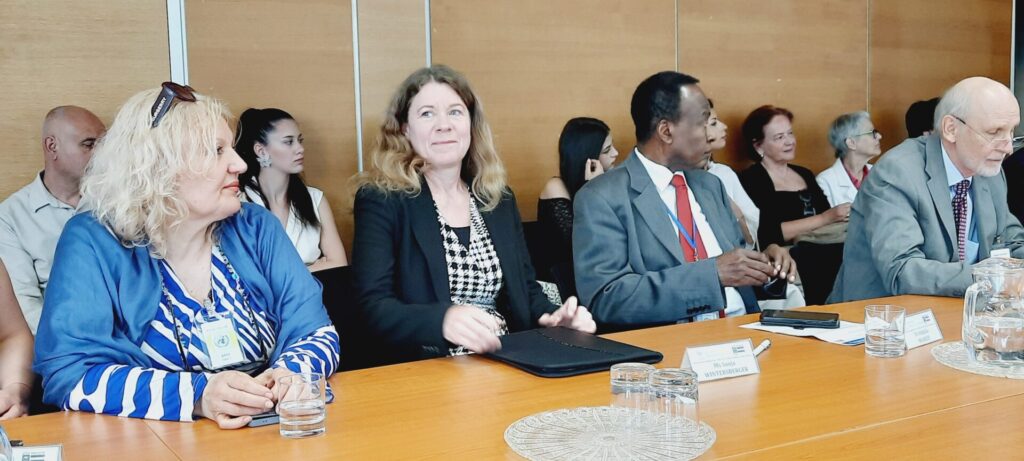
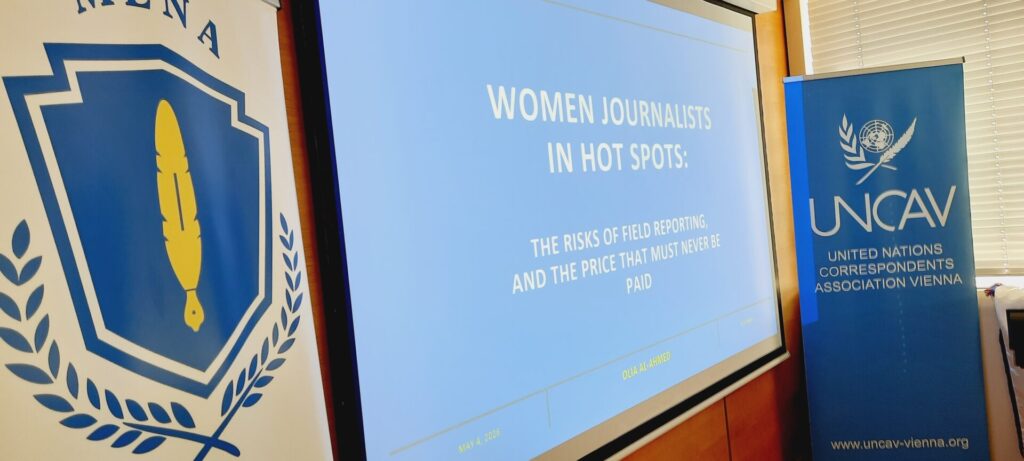
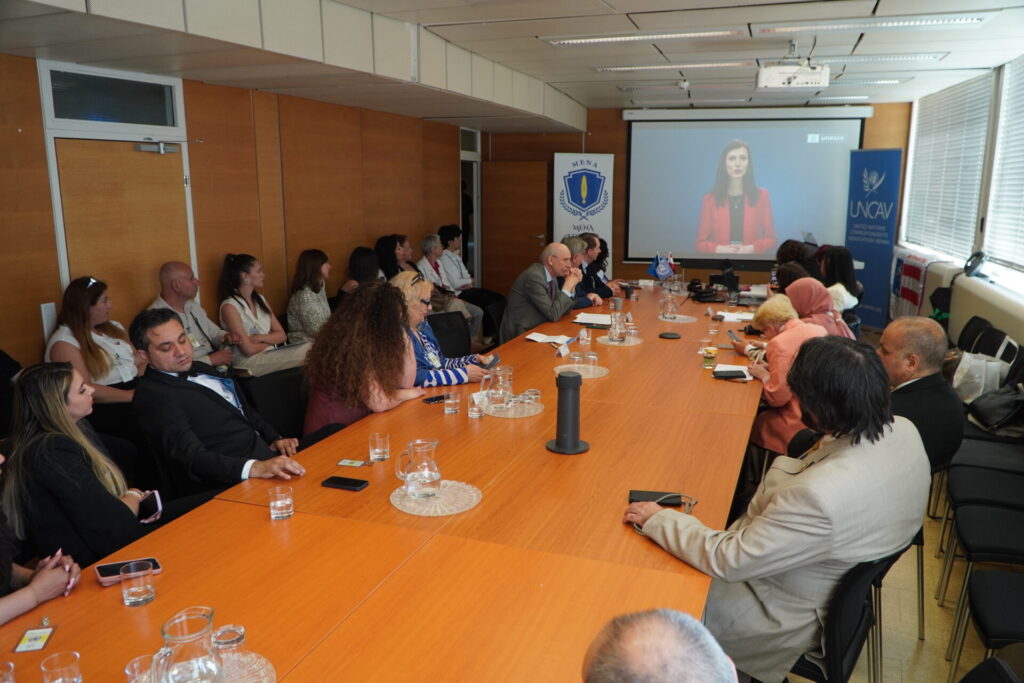
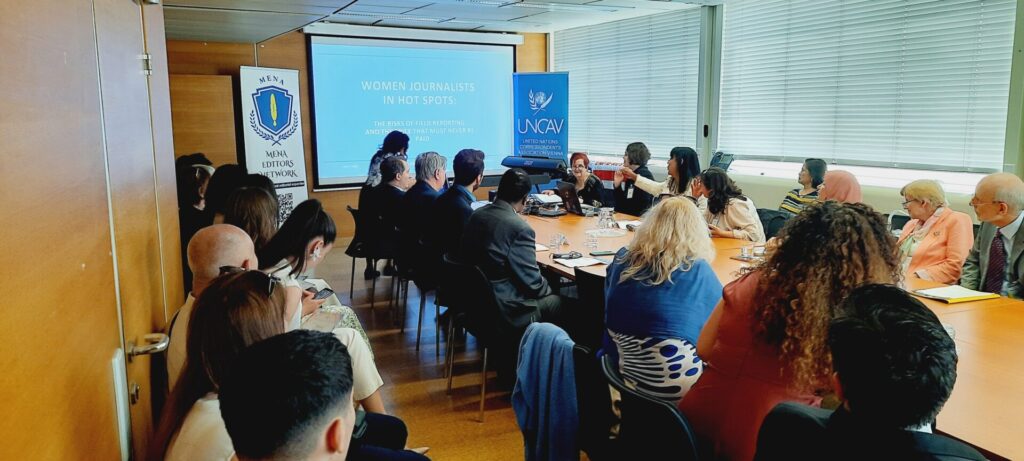
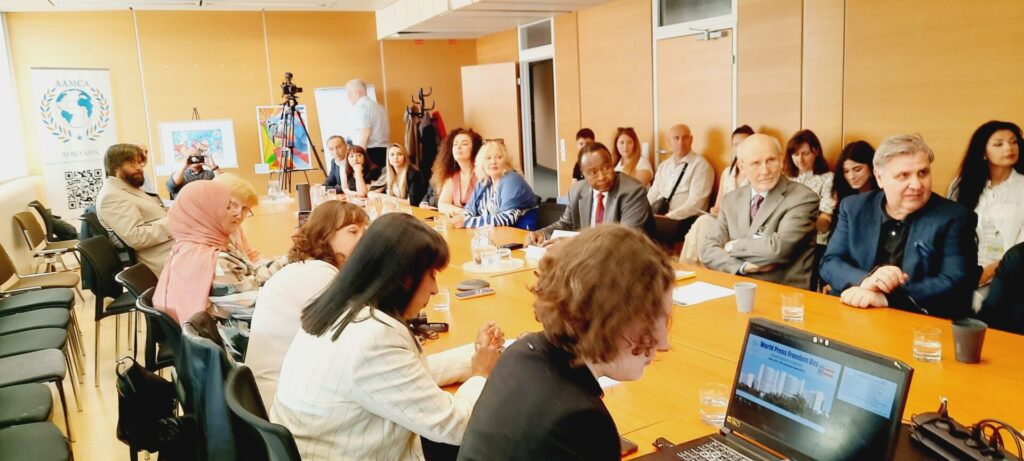
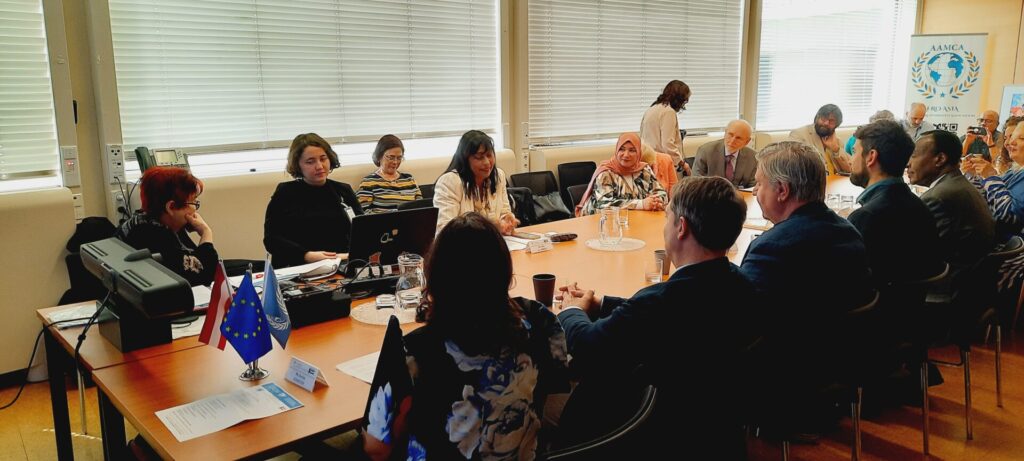
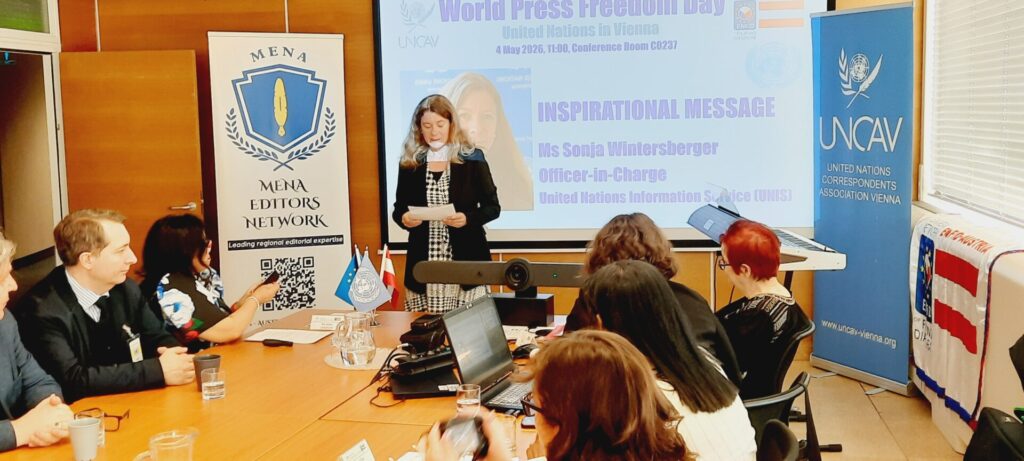
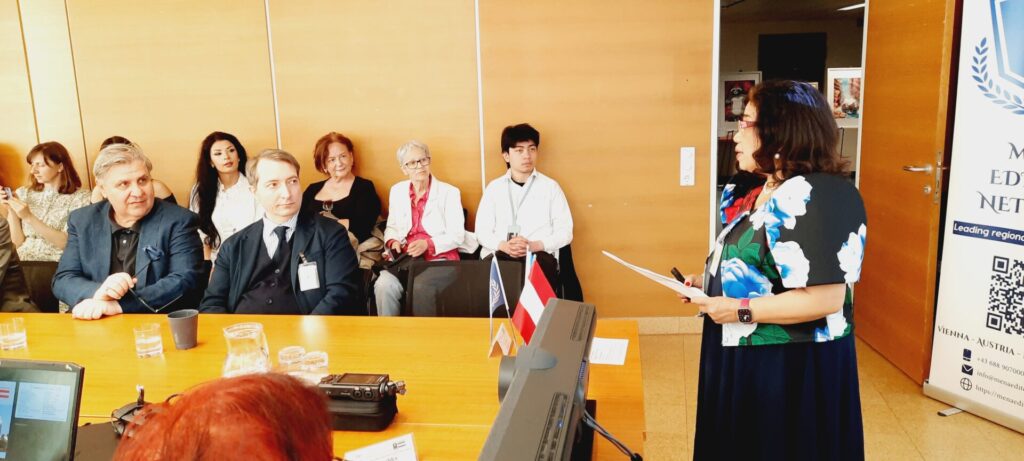
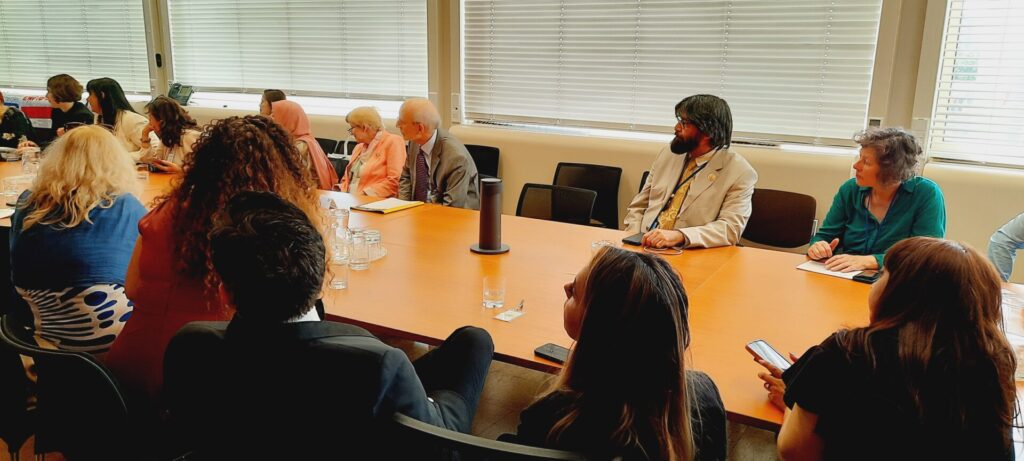
On May 4, 2026, the United Nations Office in Vienna served as the prestigious venue for a significant event commemorating World Press Freedom Day. This gathering of diverse voices sought to highlight the essential role of a free and independent press in fostering democracy and promoting human rights. Organized collaboratively by the United Nations Correspondents Association Vienna (UNCAV) and various partners, the event attracted a wide range of participants, including journalists, policymakers, academicians, and press freedom advocates from around the globe.
The opening ceremony set a resonant tone for the day, emphasizing the importance of free expression in the current global landscape. UNCAV played a pivotal role in coordinating logistical elements and mobilizing attendees, reflecting their commitment to press freedom and the challenges journalists face in their pursuit of truth. Notable figures, including the UN Secretary-General, addressed the assembly, delivering impassioned speeches that underscored the fundamental need for safeguarding journalistic integrity.
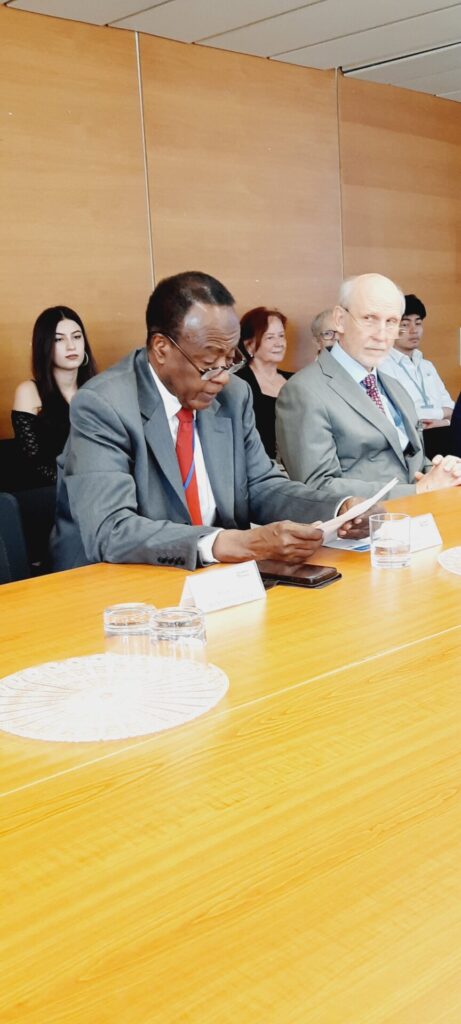
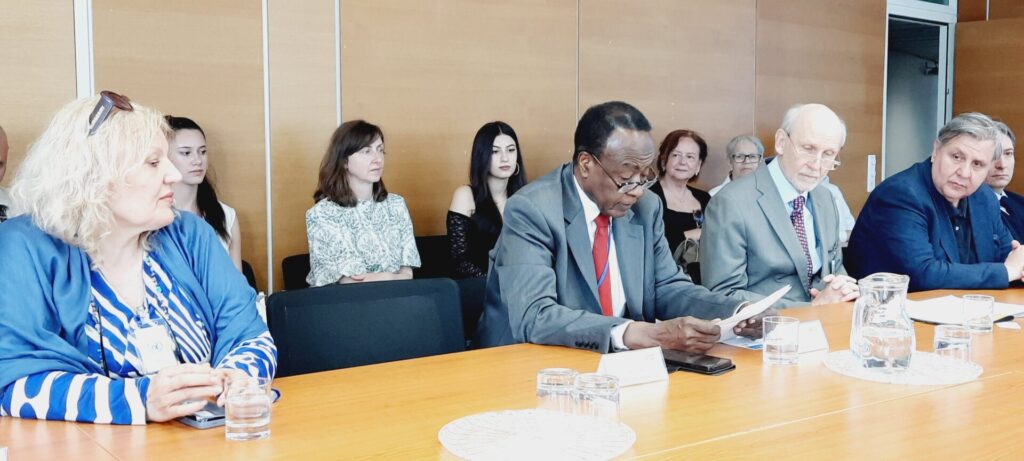
Among the esteemed speakers was Abdalla Sharief, a prominent advocate for press freedom and a veteran journalist known for his collaborative efforts with UN agencies. His discourse resonated with themes of resilience and courage, urging attendees to remain vigilant in promoting free access to information despite increasing censorship in many regions. The collective message articulated by the speakers was clear: a robust democracy hinges on the existence of an unhindered press, capable of informing citizens and holding power to account.
This year’s observance of World Press Freedom Day was marked by an array of panel discussions and workshops, focusing on emerging threats to journalism and strategies for ensuring that the voices of the oppressed are heard. The event not only recognized the past achievements in the sphere of press freedom but also called for renewed efforts to address ongoing challenges faced by journalists worldwide.
Keynote Insights: Challenges in Journalism Today
The keynote speeches delivered during the 2026 World Press Freedom Day explored various dimensions of the challenges faced by journalists in the modern landscape. One of the prominent figures, Olia Al-Ahmed, emphasized the critical integrity required in journalism amid the rapid technological advancements that have transformed information dissemination. Al-Ahmed highlighted the pressing issues of misinformation and the increasing difficulty journalists face in verifying the authenticity of sources. This disruption not only impacts the credibility of information but also places journalists at risk, particularly in politically charged environments.
Furthermore, the address underscored the moral obligations of journalists to uphold truth and transparency despite external pressures that may seek to compromise their integrity. The digital age has fostered a space where misinformation proliferates, making it imperative for journalists to employ meticulous fact-checking practices. Al-Ahmed’s insights served to remind the audience of the fundamental tenets of journalism, which include accountability, fairness, and the unwavering pursuit of truth, reinforcing that these values are crucial for fostering trust with the public.
Complementing Al-Ahmed’s address, Mariya Gabriel from UNESCO articulated the organization’s dedication to promoting press freedom while navigating the delicate balance between diplomacy and journalistic integrity. Gabriel pointed out that press freedom is not merely a democratic ideal but a vital component for transparent governance. She reflected on the challenges journalists face, particularly regarding access to information and freedom of expression in various regimes. Her remarks served as a powerful reminder of the essential role that press freedom plays in democracy and the need for continual advocacy to protect journalists working under oppressive conditions.
Reflections and Performances: A Cultural Perspective
The celebration of World Press Freedom Day 2026 was marked not only by discussions and reflections on the pressing challenges facing journalism but also by a vibrant showcase of cultural performances that echoed the very essence of press freedom. Musical acts, dance performances, and artistic expressions resonated throughout the event, creating an atmosphere that underscored the importance of creativity in advocating for free and independent media.
Artists from diverse backgrounds participated, using their talents to convey powerful messages about the necessity of press freedom. Through music and art, they highlighted themes of integrity, courage, and resilience—qualities that journalists embody in their pursuit of truth. These cultural expressions served as a reminder that art and journalism are intertwined, both serving to challenge authority and encourage discourse within society.
In addition to these performances, the event featured a panel discussion that brought together experts from various fields, including Scott Griffen from the International Press Institute. Their insights illuminated the multiple threats currently facing press freedom, including censorship, disinformation, and violence against journalists. A key takeaway from the discussion emphasized the critical role of civil society in advocating for press freedom and fostering an environment where journalists can operate without fear. The panelists called for greater collaboration between artists and media entities to amplify the message of press freedom through cultural initiatives.
As the event drew to a close, the confluence of art and journalism offered a powerful visual and auditory reminder that while challenges remain, the ongoing fight for press freedom will be supported by a strong foundation of creativity and community engagement. This approach not only empowers journalists but also inspires the broader society to appreciate and uphold the fundamental values of democracy and transparency.