


Overview of the Nubian History Lecture
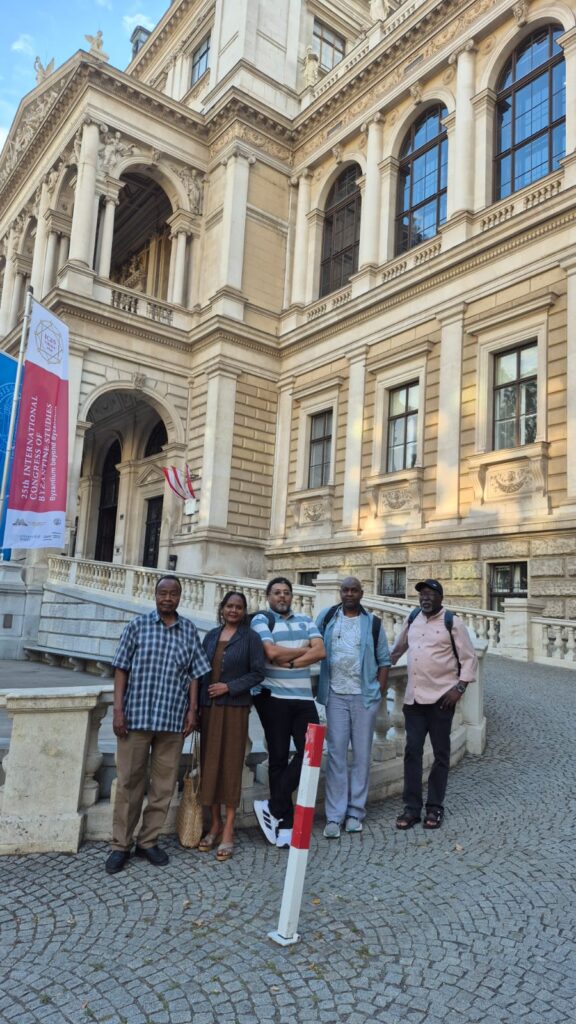
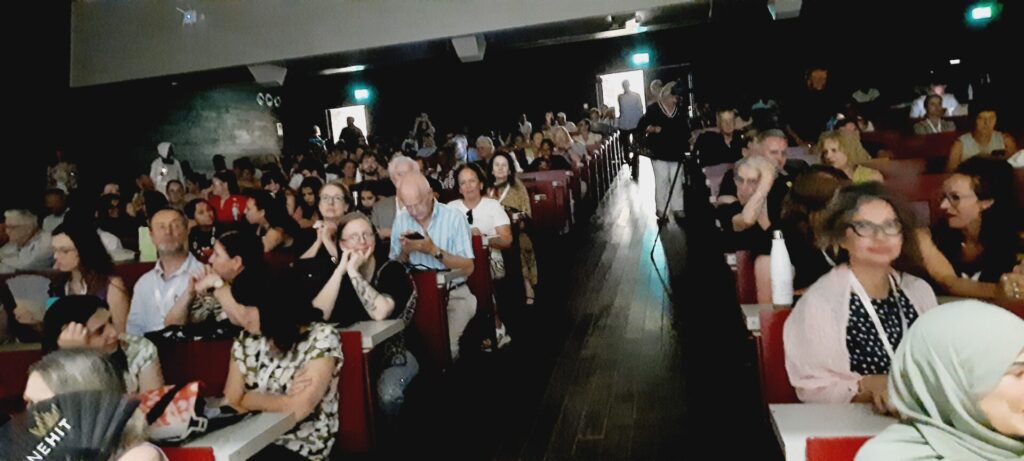
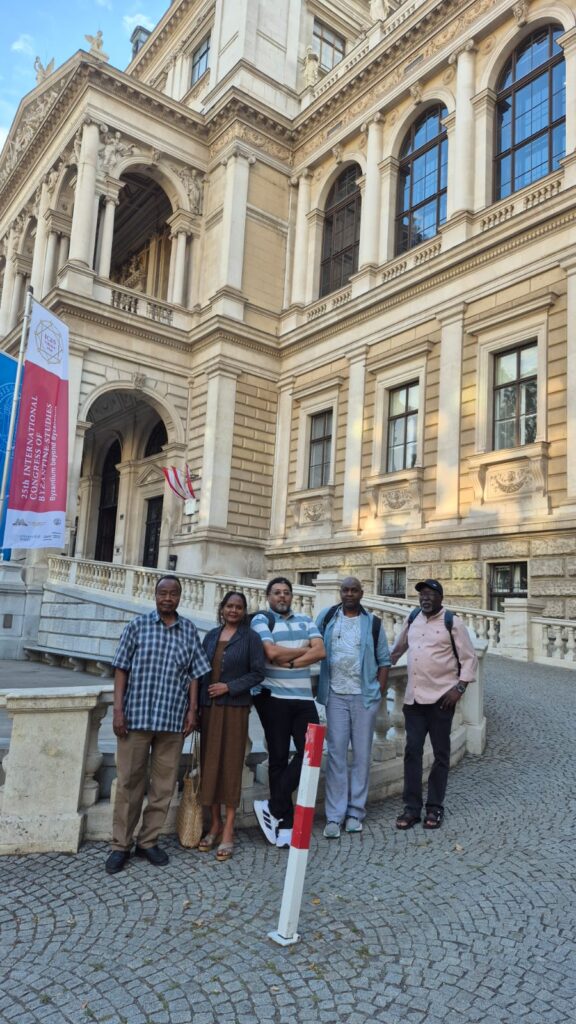
The Nubian history lecture at the University of Vienna was a significant event that took place to coincide with the 25th International Congress of Byzantine Studies. This occasion not only aimed to shed light on the rich heritage of the Nubian people but also to foster cross-cultural dialogue and understanding. The event was scheduled for a prominent date during the congress, which gathered scholars and enthusiasts from around the world to discuss various facets of Byzantine studies, providing an ideal backdrop for discussions on Nubian history.
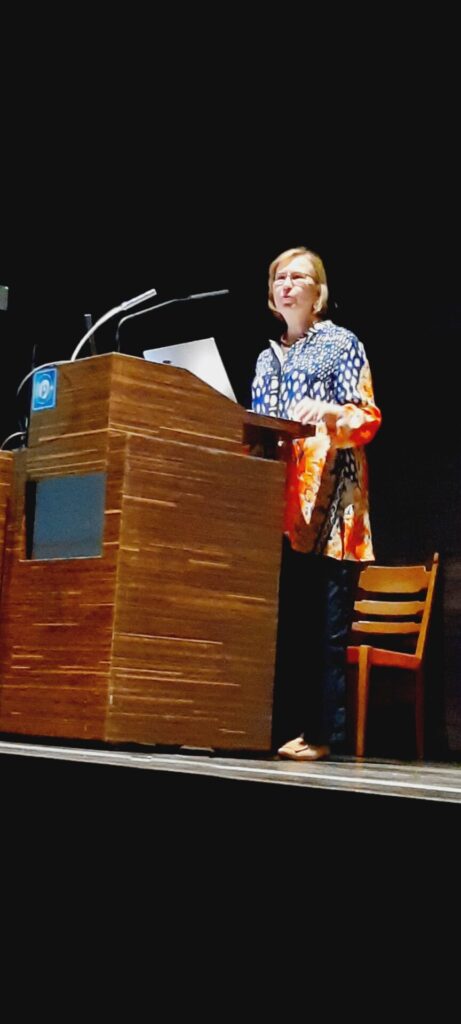
Professor Claudia Rapp, a distinguished academic in the field, served as the chair for this lecture. Her expertise and leadership were pivotal in orchestrating the event, ensuring that attendees received a comprehensive insight into the complexities and nuances of Nubian heritage. During her opening remarks, she emphasized the importance of Nubian history, highlighting its influence on regional cultures and its enduring legacy that continues to enrich contemporary society.
The involvement of the Sudanese community added a unique layer to the lecture, enhancing the overall cultural experience for everyone in attendance. Members of the community participated not only as audience members but also contributed actively to the discussions, sharing personal stories and insights that brought the historical narratives to life. This engagement fostered a sense of unity and pride, enabling attendees to appreciate the historical depth and cultural richness associated with Nubia.
The lecture served not only as an academic endeavor but also as a celebration of Nubian identity, underscoring its relevance in today’s global context. Overall, the event was a convergence of scholarly activity and cultural exchange, setting a precedent for future discussions on the importance of Nubian history in broader historical discourses.
Reconstruction of Nubian Costumes
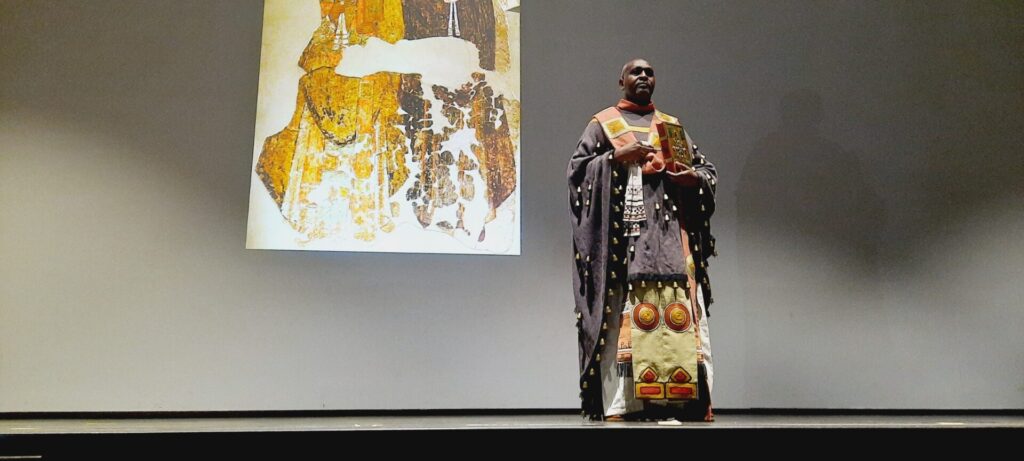
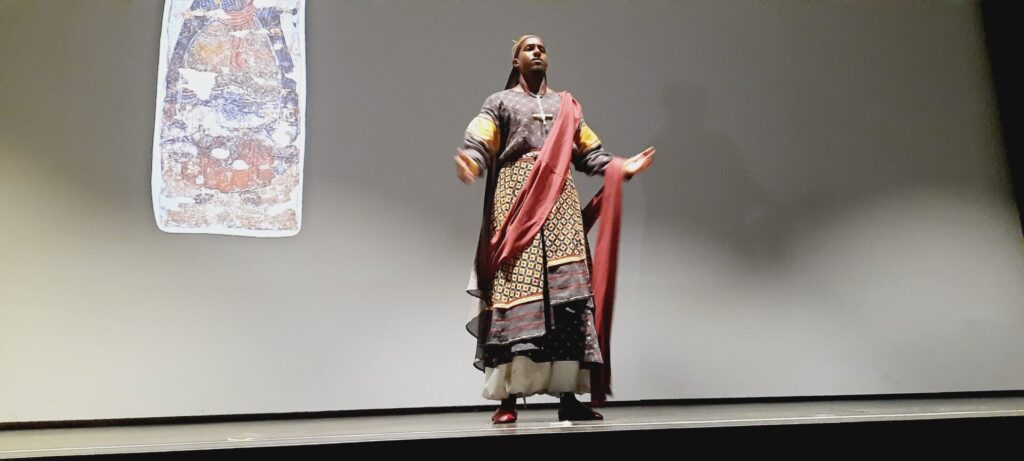
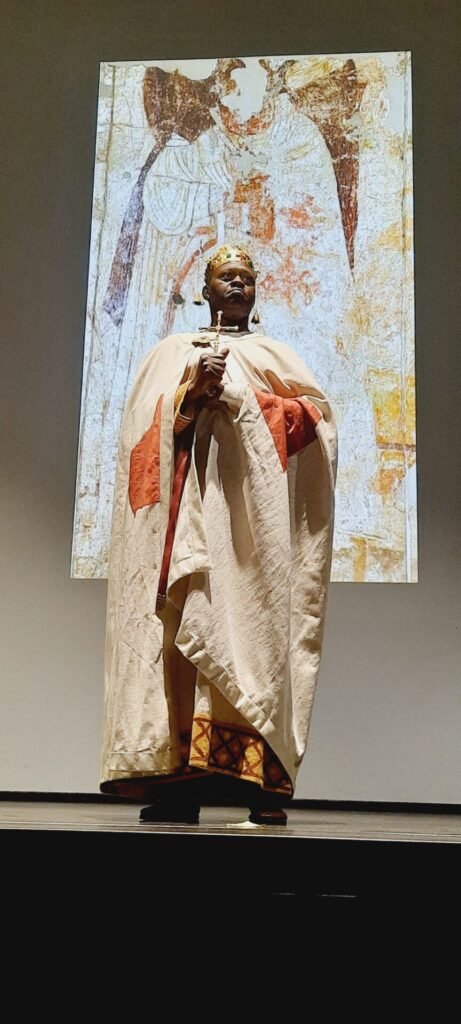
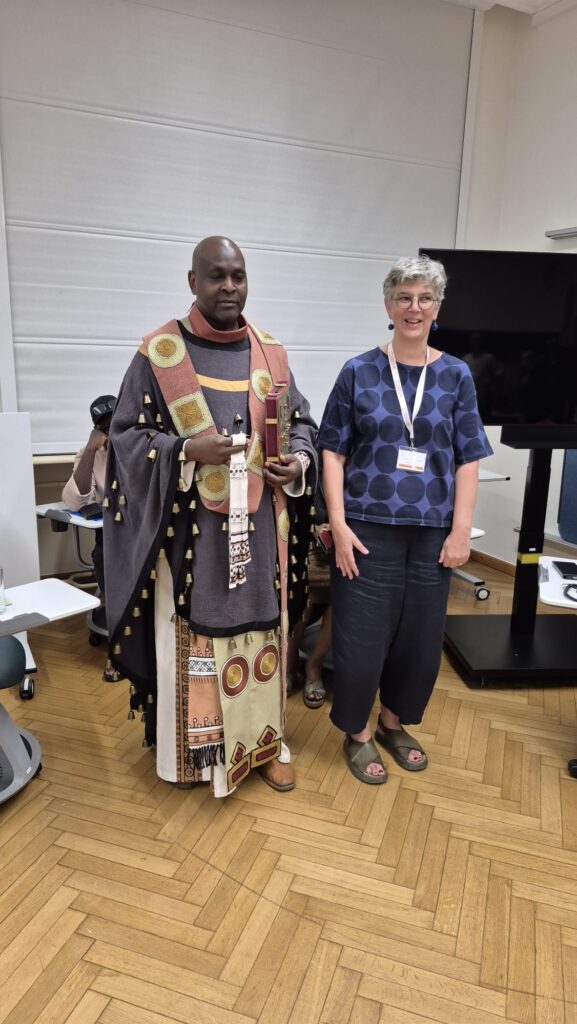
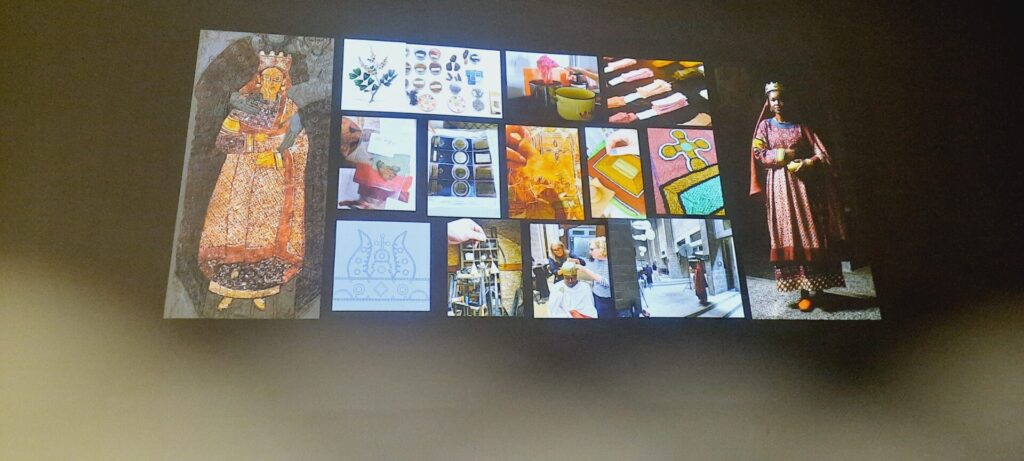
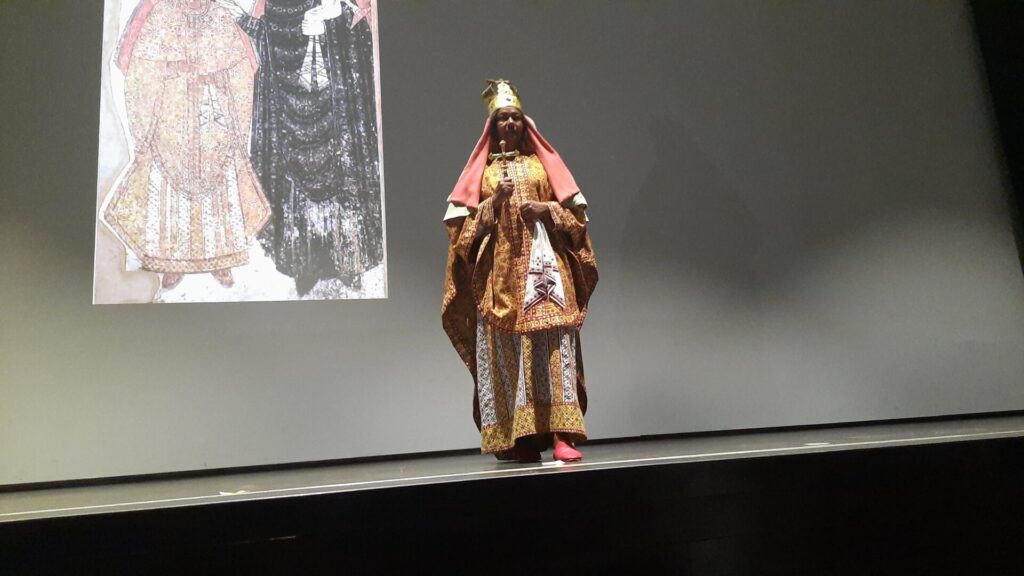
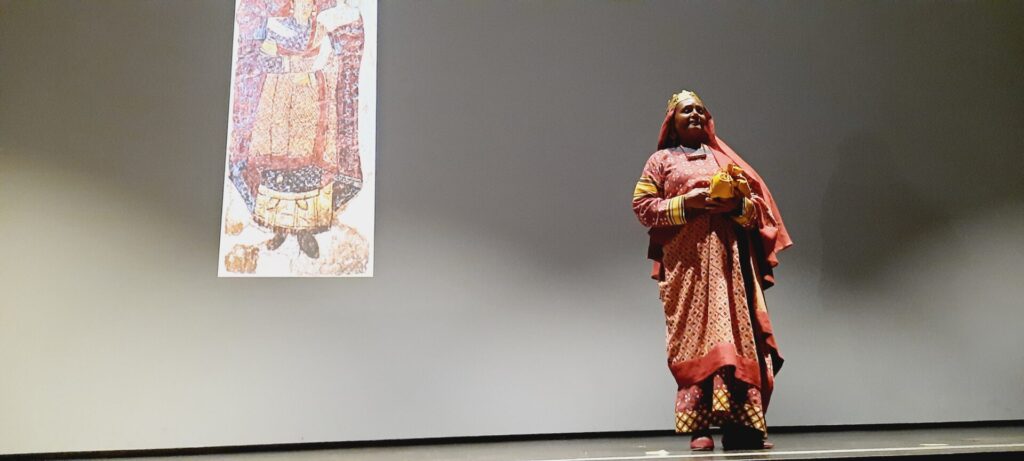
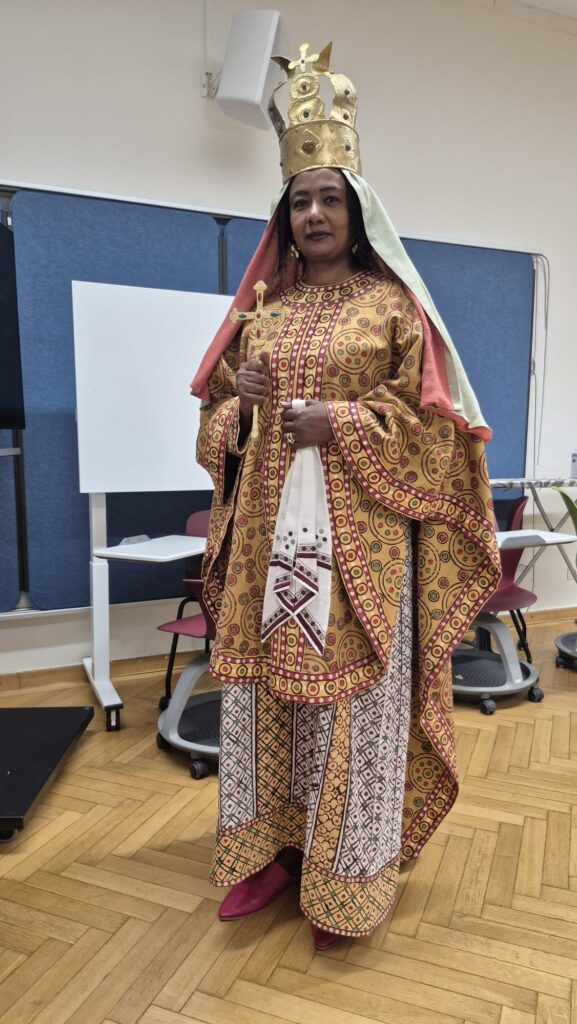
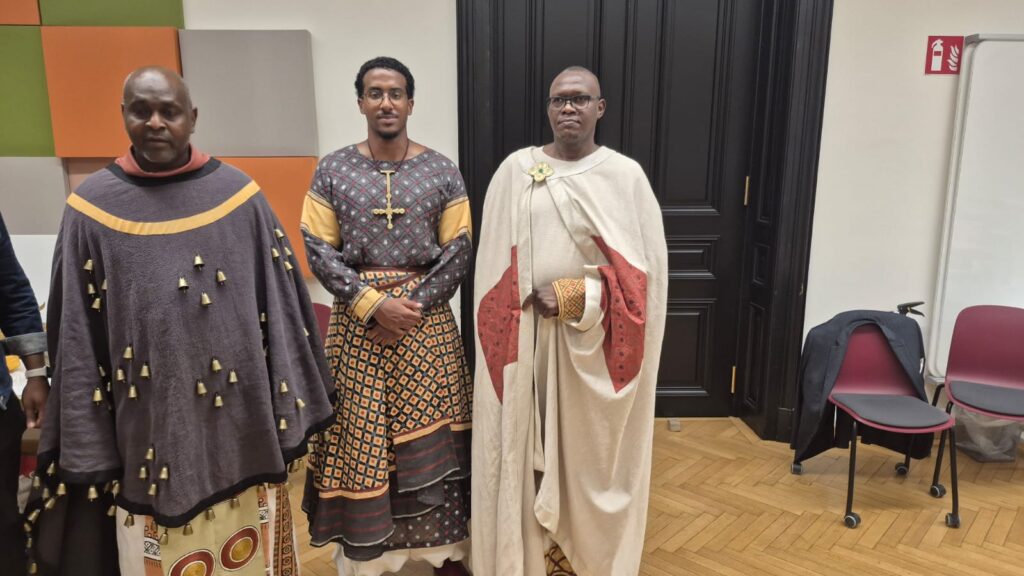
The recent Vienna lecture showcased groundbreaking research aimed at reconstructing royal and ecclesiastical costumes from medieval Nubia, a pivotal period in the region’s rich history. This innovative project draws heavily from a variety of sources, particularly the striking wall paintings of the Faras Cathedral. These artworks provide invaluable insights into the clothing styles and cultural symbols prevalent during this time, serving as a visual reference for researchers and designers alike.
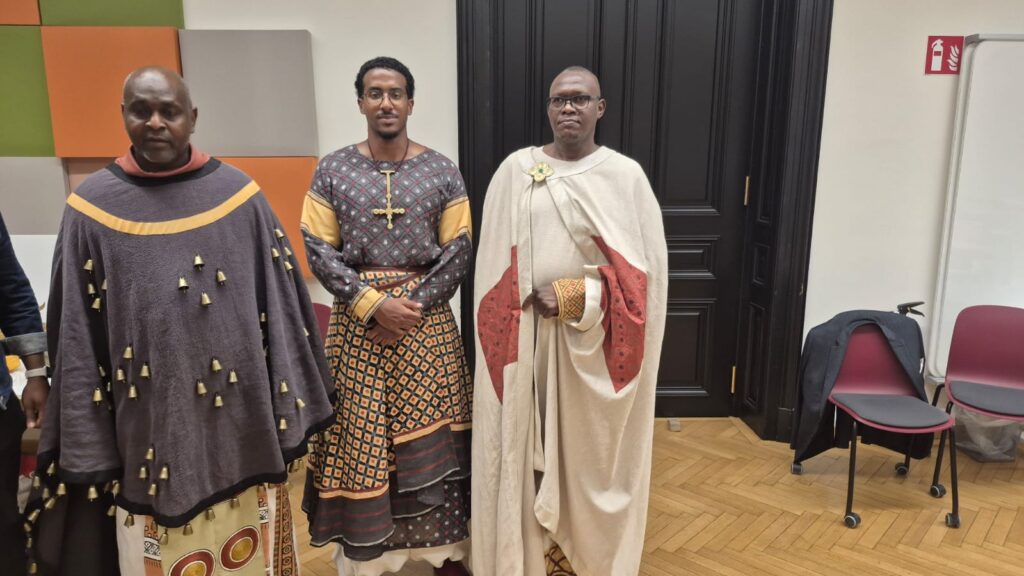
A diverse team of experts, including archaeologists, textile historians, and fashion designers, has been carefully assembled to contribute to this ambitious undertaking. Their collaborative effort ensures a multidisciplinary approach to understanding and recreating the costumes, allowing for a more nuanced interpretation of Nubian heritage. Each team member brings unique perspectives and skills, from excavating artifacts to experimenting with ancient textile techniques.
The costumes being reconstructed are informed not only by visual representation but also by meticulous research into the materials and methods used in their original creation. A primary focus has been on the textiles utilized during the medieval period, including linen, wool, and silk, which were often intricately woven or dyed in vibrant colors. Techniques documented in historical texts, combined with archaeological findings, provide the basis for recreating these garments authentically.
As these historically informed costumes take shape, they reveal much more than mere fabric and thread; they encapsulate the identities and expressions of the Nubian people during a time of cultural flourishing. The detail-oriented approach ensures that each costume resonates with the historical accuracy necessary for an immersive understanding of Nubian culture and heritage. This reconstruction project not only fosters a greater appreciation of Nubia’s past but also sets a precedent for future studies in the field of costume history.
Experimental Archaeology and Public Engagement
Experimental archaeology is an innovative approach that combines traditional archaeological methods with practical experimentation to better understand past cultures and societies. One significant application of this methodology is exemplified through costume reconstruction projects, particularly those focused on Nubian heritage. These projects allow researchers and artists to collaboratively explore the historical context and cultural significance of traditional Nubian clothing, providing insights into the lifestyle, social structures, and aesthetic values of the Nubian people.
The reconstruction of Nubian costumes involves meticulous research, including the study of artifacts, historical texts, and oral histories. By employing these methods, practitioners are able to create accurate representations that honor the aesthetic and functional aspects of historical garments. This intertwining of art and archaeology not only enhances the understanding of Nubian culture but also presents it in dynamic and engaging ways that resonate with a modern audience.
Moreover, community engagement is a critical aspect of these projects, notably through the involvement of the Sudanese diaspora. Members of the diaspora frequently participate in costume exhibitions, workshops, and educational programs, allowing for a comprehensive exchange of knowledge and experience. This engagement fosters a deeper connection to Nubian heritage within the community and provides an opportunity to celebrate cultural identity. The collaborative efforts between archaeologists, artists, and the diaspora contribute to a richer portrayal of Nubian history, allowing for diverse narratives to be showcased.
Through experimental archaeology and active public participation, the legacy of Nubian culture is not only preserved but also revitalized. This approach enables a broader audience to engage with historical narratives, offering new interpretations and fostering appreciation for the intricate tapestry of Nubian heritage. The costume reconstruction project serves as a prime example of how, by combining academic rigor with artistic expression, the past can be experienced and appreciated in meaningful and memorable ways.
Impact of Funding and Community Contribution
The successful execution of the research and reconstruction project on Nubian heritage owes a significant debt to the financial support provided by the Polish National Science Centre and the EU Horizon 2020 program. These organizations have played a vital role in facilitating academic collaboration across borders, enabling researchers, artists, and community members to come together with a shared vision of preserving and promoting Nubian culture. The funding has not only allowed for comprehensive studies but also for the integration of different perspectives from Sudan and Europe, enriching the project’s outcomes.
Furthermore, the backing from these prestigious institutions has led to the creation of various artistic endeavors that highlight the richness of Nubian heritage. Through exhibitions, workshops, and public lectures, artists and scholars have been able to showcase their work and findings, sparking interest and dialogue among diverse audiences. This engagement extends beyond academia, as local communities are invited to participate, thus reinforcing a sense of ownership and pride in their cultural identity.
Community involvement has emerged as a cornerstone of the project’s success. By engaging with local populations, the project has fostered a cultural exchange that enhances understanding and appreciation of Nubian heritage. As participants share their stories and traditions, it creates a vibrant tapestry of narratives that transcends geographical boundaries. The synergistic relationship between funding, academic collaboration, and active community participation ultimately serves to strengthen the cultural bridge between Sudan and Europe. This collaboration demonstrates how meaningful heritage preservation can thrive when financial resources are strategically employed to empower communities and enhance educational initiatives.