


A Historic Venue for Byzantine Exploration
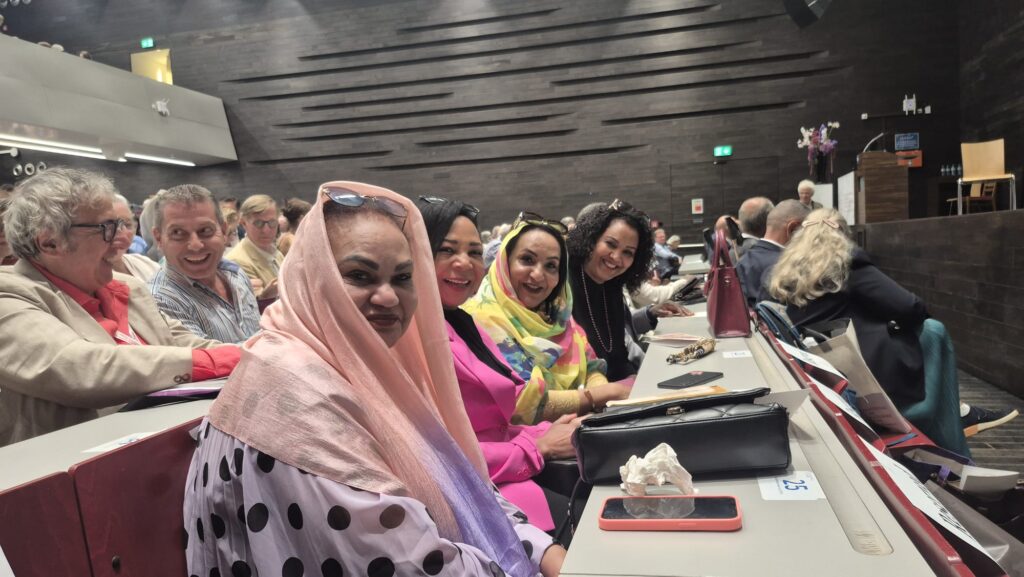
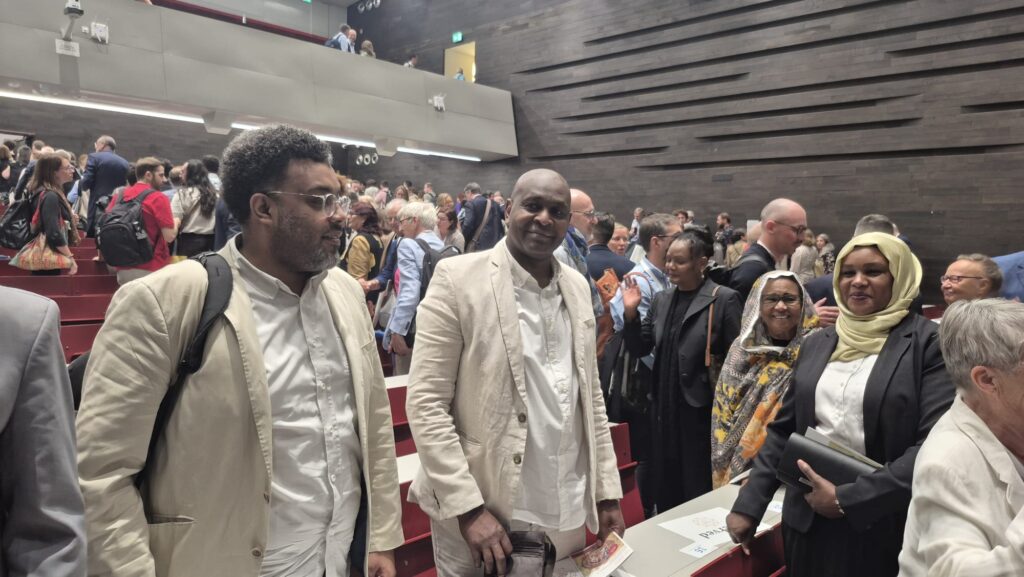
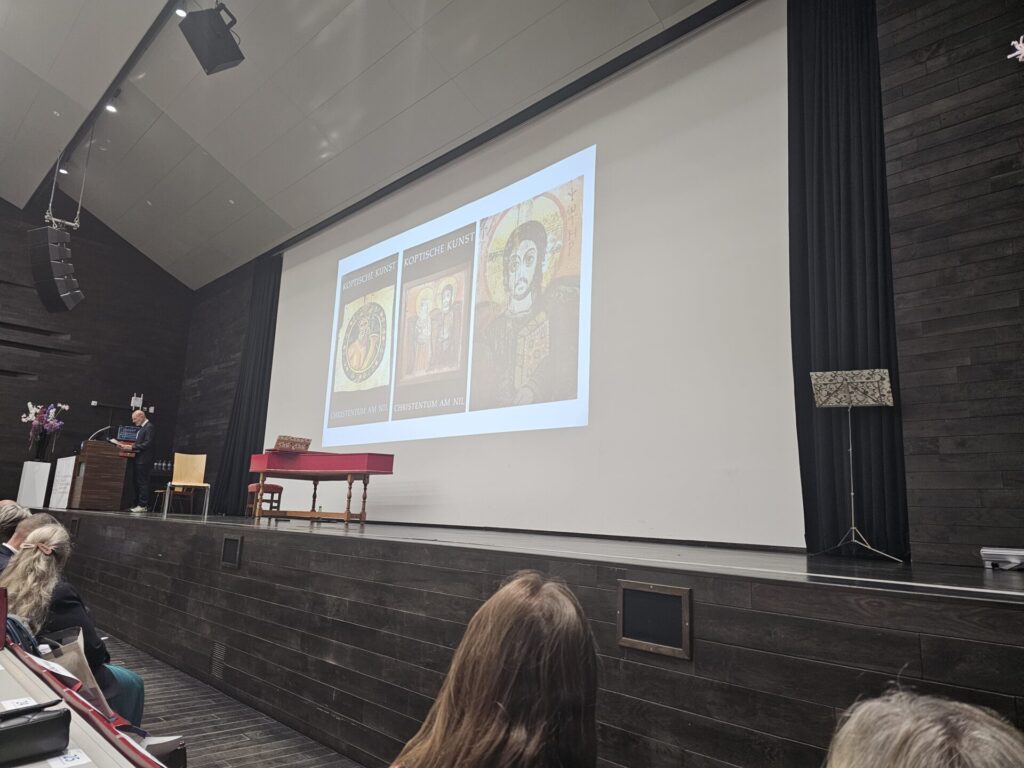
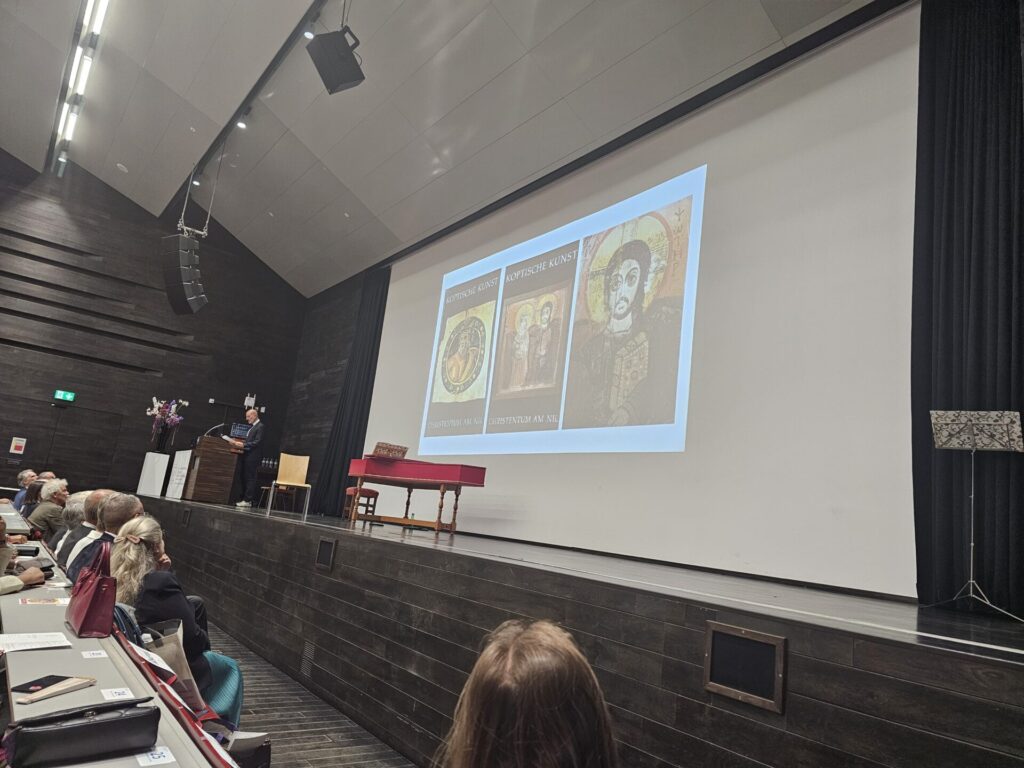
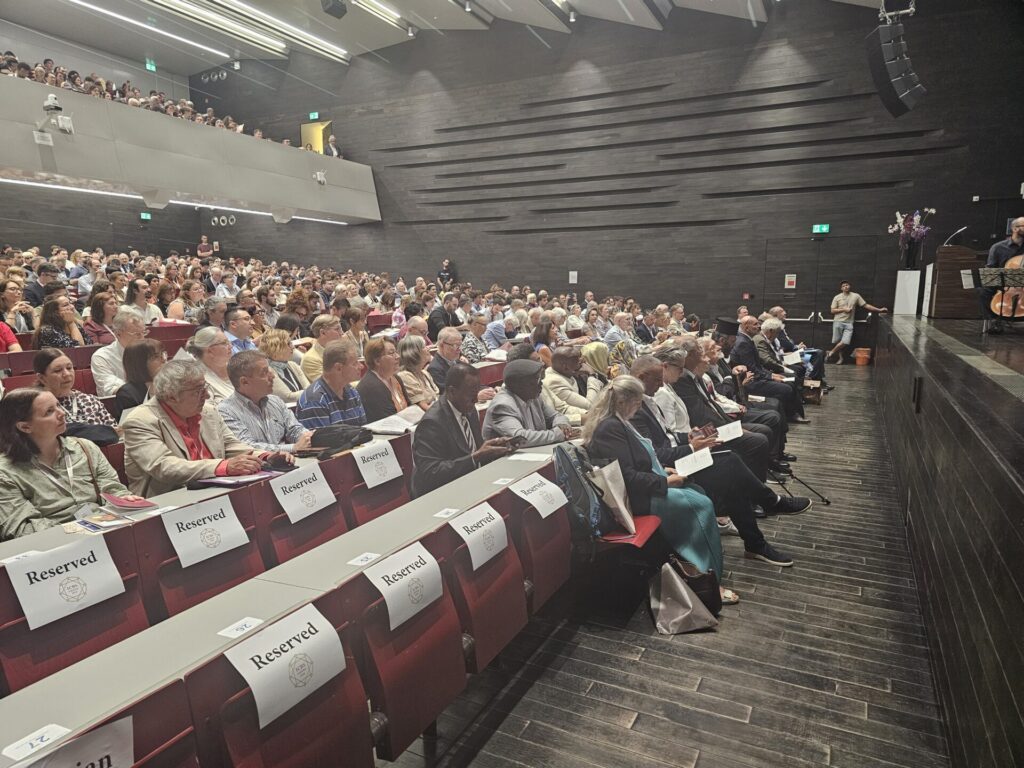
The 25th International Congress of Byzantine Studies was notably held at the University of Vienna’s auditorium maximum, a venue that boasts significant historical and cultural importance. Established in one of Europe’s most prestigious institutions of higher learning, the auditorium maximum is not only an architectural masterpiece but also a symbol of the long-standing tradition of academic excellence at the university. This setting provided an inspiring backdrop for scholars dedicated to the exploration of Byzantine culture, arts, and history.
The choice of venue is particularly pertinent given the university’s rich academic heritage. The University of Vienna, founded in 1365, is among the oldest universities in the German-speaking world and has long been a center for scholarly pursuits across various disciplines. Its extensive library, which houses numerous manuscripts and works related to Byzantine studies, serves as an invaluable resource for researchers and students alike. Hosting the congress in such a historically charged environment allowed attendees to immerse themselves not only in the discussions of the day but also in the echoes of the past that resonate within the university’s walls.
Moreover, the university’s dedication to fostering interdisciplinary dialogue enhances the overall experience of conferences like the International Congress of Byzantine Studies. The auditorium maximum, with its capacity to accommodate a large number of participants, facilitated engaging interactions between scholars from different fields. Sessions were enriched by the diverse perspectives presented by attendees, demonstrating how the study of Byzantine history can intersect with contemporary issues like art, identity, and politics. In this context, the venue underscored the commitment of the academic community to advancing knowledge through collaboration.
Overall, the auditorium maximum at the University of Vienna served as not just a functional space for the congress but as a catalyst for intellectual engagement and discovery, reinforcing the significance of historical context in enriching academic dialogues within the field of Byzantine studies.
Inspiring Musical Interludes
The 25th International Congress of Byzantine Studies was not only a gathering of scholars and enthusiasts of Byzantine history but also a venue that celebrated the rich cultural heritage of this influential era through music. As attendees engaged in discussions and presentations, the musical performances provided a dynamic backdrop, enhancing the overall experience and setting an inspiring tone for the entire event.
One of the standout performances came from Baroque Arabesque, a group renowned for their exceptional ability to blend historical music with contemporary interpretations. Their repertoire included a diverse selection of pieces that resonated with the themes of the congress, drawing attendees into the ambiance of the time period being studied. A particularly notable piece was “Dance from the Black Sea,” which exemplified the traditional rhythms and melodies that have persisted through the centuries, reminding listeners of the cultural exchanges that characterized Byzantine society.
Moreover, compositions such as “La Follia” showcased both the complexity and emotional depth of the music from the Baroque era, reflecting the intricacies of Byzantine artistic expression. This piece, with its variations and rich harmonies, served as a perfect representation of the interconnectivity between the music of the Byzantine period and subsequent developments in European musical traditions. The performance not only entertained but also educated the audience about the historical significance of these works.
Music plays a crucial role in cultural events like this congress. It serves to create an immersive experience, allowing participants to engage with the subject matter on a deeper level. The live performances by Baroque Arabesque, along with traditional pieces, contributed to a unique atmosphere that fosters dialogue and appreciation for the Byzantine legacy. Such musical interludes enrich the understanding of the past and highlight the importance of music as an essential element in the mosaic of Byzantine studies.
Opening Remarks and Keynote Address
The 25th International Congress of Byzantine Studies commenced with an engaging welcome address delivered by notable figures, including Eva-Maria Holzleitner and Sebastian Schütze. Their introductory remarks set a welcoming tone for the delegates and participants, reinforcing the importance of international collaboration in the exploration of Byzantine Studies. Holzleitner highlighted the profound impact of this scholarly gathering, which not only promotes academic dialogue but also fosters connections among researchers with diverse backgrounds and expertise.
In the opening remarks, the organizing committee underscored the significance of the congress as a pivotal moment for discussing contemporary challenges in Byzantine art and culture. They emphasized the congress’s role in presenting cutting-edge research and facilitating discussions that bridge historical scholarship with modern interpretative challenges. The committee expressed gratitude for the presence of scholars from various disciplines, thereby enriching the discourse surrounding Byzantine heritage.
One of the standout features of the opening session was the keynote lecture delivered by renowned scholar Maximilien Durand. His presentation focused on the scientific and museographic challenges that are currently faced in the field of Byzantine art. Durand’s insights illuminated the innovative techniques being employed to address these challenges, particularly in relation to preservation, exhibition, and public engagement with Byzantine artifacts. He addressed how technology is reshaping the ways we can study, exhibit, and interact with ancient art, stressing the need for a balance between scientific rigor and accessible engagement.
Overall, the opening remarks and the keynote address exemplified the commitment of the international Byzantine Studies community to confront contemporary issues while maintaining a connection to the rich historical tapestry of this influential period. This congress, marked by such innovative discussions, aims to inspire further research and collaboration in the years to come.
Conclusion and Future Directions in Byzantine Studies
The 25th International Congress of Byzantine Studies showcased a myriad of themes and impactful discussions, reflecting the ongoing evolution of this academic discipline. Scholars from around the globe converged to share their insights and foster collaboration, emphasizing collective efforts to deepen the understanding of Byzantine history, culture, and its wide-reaching influence on modern society. The diverse presentations and dialogues brought to light significant findings and historical interpretations that demand further inquiry.
Among the key themes discussed were the socio-political dynamics of the Byzantine Empire, the cultural exchanges facilitated through trade and diplomacy, and the intricate relationship between Byzantine Christianity and its surrounding environments. These discussions highlighted not only the complexities of Byzantine society but also spurred ideas on addressing gaps in existing research and methodologies.
Looking towards the future, the congress underscored the need for more interdisciplinary approaches to Byzantine studies. Scholars expressed interest in engaging with fields such as archaeology, anthropology, and digital humanities to enrich their analyses and widen the spectrum of inquiry within this domain. The advent of technology and digital resources has opened up new pathways for research, allowing for enhanced accessibility to historical documents and artifacts that were previously underutilized.
Furthermore, a recurring sentiment among participants was the importance of nurturing the next generation of Byzantine scholars. This could be achieved through mentorship programs, collaborative projects, and the utilization of online platforms that facilitate global engagement in research and discourse. As the field continues to develop, incorporating fresh perspectives and methodologies will be essential in unraveling the complexities of the Byzantine heritage.
In conclusion, the International Congress served as a pivotal platform for fostering dialogue and collaboration among Byzantine studies scholars. It laid a foundation for future developments that promise to enrich this vital field of study, ensuring that the legacies of the Byzantine Empire are comprehensively examined and appreciated in the years to come.