Overview of IAEA Director General’s Visit to Kazakhstan
The recent visit of Rafael Mariano Grossi, the Director General of the International Atomic Energy Agency (IAEA), to Kazakhstan marks a significant step forward in fostering nuclear cooperation between the agency and the nation. This visit, which took place amid growing global interest in the role of nuclear technology in energy production and healthcare, was aimed at enhancing Kazakhstan’s capacities in the field of nuclear energy while also promoting its peaceful applications.
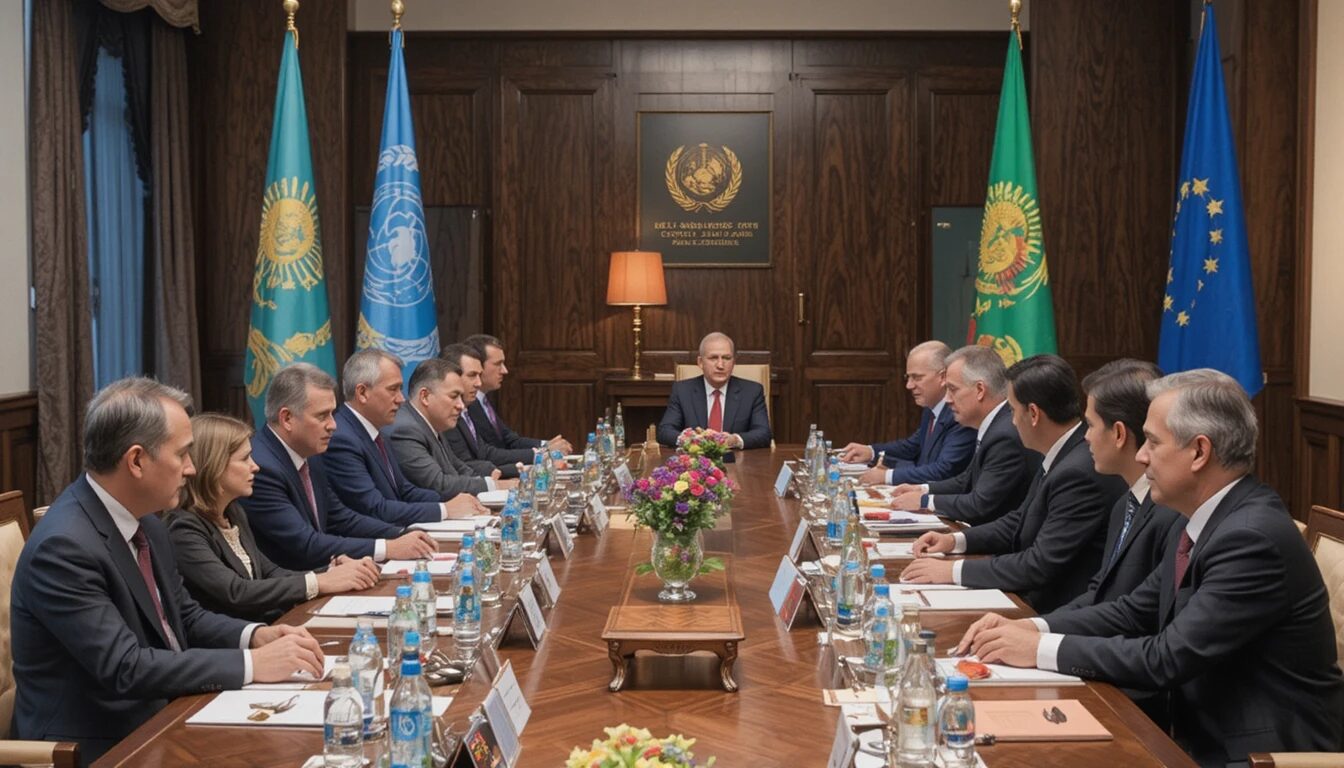
During his trip, Grossi engaged in high-level discussions with key officials, including Kazakhstan’s Minister of Energy and Minister of Foreign Affairs. These discussions were centered around the promotion of nuclear power capabilities, emphasizing the importance of a robust safety culture and regulatory frameworks. The dialogue also highlighted Kazakhstan’s potential in boosting its nuclear energy production, which is crucial for meeting the country’s growing energy demands in an environmentally sustainable manner.
In addition to discussions on energy production, Grossi’s visit underscored the relevance of nuclear technology in healthcare. The IAEA has been championing the integration of nuclear techniques for medical purposes, such as cancer treatment and diagnostic imaging. During his meetings, Grossi reaffirmed the agency’s commitment to supporting Kazakhstan in utilizing nuclear technology to improve public health outcomes, mirroring global efforts to harness nuclear applications for the betterment of society.
The significance of this visit cannot be overstated; it serves not only to strengthen Kazakhstan’s nuclear capabilities but also to position the nation as a leader in the responsible use of nuclear technology on the regional and global stage. It signals a clear message of commitment to peace and safety in nuclear development, aligning with the IAEA’s vision of promoting the safe and secure use of nuclear energy and technology for peaceful purposes worldwide.
Strengthening Nuclear Energy Collaboration
The recent visit of the IAEA Director General to Kazakhstan marked a pivotal moment in strengthening nuclear energy collaboration between the two parties. During this visit, several key agreements were signed, outlining a comprehensive cooperation roadmap that spans from 2026 to 2036. This roadmap is set to significantly enhance Kazakhstan’s nuclear capabilities and infrastructure, aligning them with international standards and best practices.
One of the primary areas of focus in the cooperation roadmap is the development of nuclear infrastructure. Kazakhstan aims to leverage its rich uranium resources effectively, and through collaboration with the IAEA, it seeks to enhance the safety and security of its nuclear facilities. This involves implementing advanced technologies and adhering to international nuclear safety protocols, ultimately positioning Kazakhstan as a regional leader in nuclear energy initiatives.
Moreover, technical capacity building is a critical aspect of the agreements established. The IAEA will provide support in training personnel and developing local expertise in various fields related to nuclear science and technology. This is essential not only for the operational efficiency of Kazakhstan’s nuclear sector but also for fostering innovation and research. Enhanced technical skills and knowledge will empower local experts to tackle complex challenges in nuclear energy management, contributing to a sustainable energy future.
Education and outreach are also integral to the collaboration roadmap. By promoting educational programs focused on nuclear science and safety, Kazakhstan is preparing the next generation of scientists and engineers to engage in the nuclear sector. This commitment to education reflects the nation’s strategic focus on harnessing the benefits of nuclear technology for economic growth while ensuring safety and security standards are met.
In conclusion, the agreements forged during the IAEA Director General’s visit to Kazakhstan are crucial not only for advancing nuclear energy collaboration but also for enhancing the country’s geopolitical strategy within the global nuclear framework. These efforts will support Kazakhstan’s ambitions to integrate more fully into the international nuclear community, fostering both scientific progress and reliable energy solutions.
Advancing Cancer Care through Nuclear Technology
The recent visit of the IAEA Director General, Rafael Grossi, to Kazakhstan highlights significant advancements in cancer care through nuclear technology. The collaboration between the IAEA and the National Research Oncology Centre (NROC) marks a pivotal moment in enhancing the diagnostic and treatment capabilities for cancer patients in the region. Given the alarming statistics surrounding cancer prevalence in Kazakhstan, such interventions are both timely and necessary.
During his visit, Grossi underscored the importance of nuclear medicine and radiation oncology in modern healthcare systems. The partnership aims to implement practical arrangements that will facilitate the sharing of knowledge, technology, and best practices in cancer care. By integrating advanced nuclear technology into clinical settings, NROC is poised to improve early detection and targeted treatment strategies for various types of cancer, allowing for a more personalized approach to patient care.
This collaboration will not only address the current needs of the oncological landscape in Kazakhstan but also aligns with international efforts to strengthen healthcare systems through scientific advancements. Through training and capacity-building initiatives, healthcare professionals at NROC will gain invaluable insights into the latest nuclear medicine techniques and radiation therapy methods, thereby enhancing the quality of care delivered to patients.
The integration of nuclear technology in oncology is not merely a technical upgrade but a transformative shift towards more effective cancer management protocols. As Kazakhstan continues to confront the rising cancer burden, the emphasis on nuclear medicine signifies a commitment to leveraging scientific innovation for public health benefits. This initiative supports the broader goal of improving overall healthcare outcomes in the region, fostering a future where advanced treatment options are accessible to all patients in need.
Engaging the Future: Education and Public Awareness
During his recent visit to Kazakhstan, IAEA Director General Rafael Grossi engaged with a group of students at Nazarbayev University, underscoring the critical importance of education and public awareness in the realm of nuclear science and technology. This engagement was not merely a symbolic gesture; it was an assertion of the role that nuclear technology plays in advancing peace and development. Grossi delivered a compelling lecture focusing on the IAEA’s mission to promote the peaceful uses of nuclear energy and the agency’s commitment to fostering a better understanding of nuclear technology among young minds.
The burgeoning interest in science and technology among the younger generation is a promising trend, particularly in a field as dynamic as nuclear science. Grossi’s interactions with the students highlighted that educating young individuals about nuclear technology is essential for building a future workforce equipped to handle the complexities associated with nuclear energy and healthcare applications. As Kazakhstan continues to develop its nuclear capabilities, fostering a knowledgeable base of professionals becomes paramount.
Moreover, Grossi emphasized the necessity of integrating knowledge about nuclear technology into educational curricula. By doing so, Kazakhstan can cultivate a generation that not only understands the science behind nuclear energy but also appreciates its potential benefits. Increasing public awareness about the safe and peaceful applications of nuclear technology can mitigate misconceptions and fears surrounding its use, ensuring that future policymakers and citizens are well-informed advocates of nuclear innovation.
Ultimately, the outreach efforts made by the IAEA and educators are pivotal in harnessing the potential of nuclear technology for healthcare advancements and energy sustainability. Such engagement with the youth of Kazakhstan signals a commitment to nurturing informed leaders who will guide the country towards a future where nuclear science is synonymous with progress and peace.