
Overview of the Conference Dates and Significance
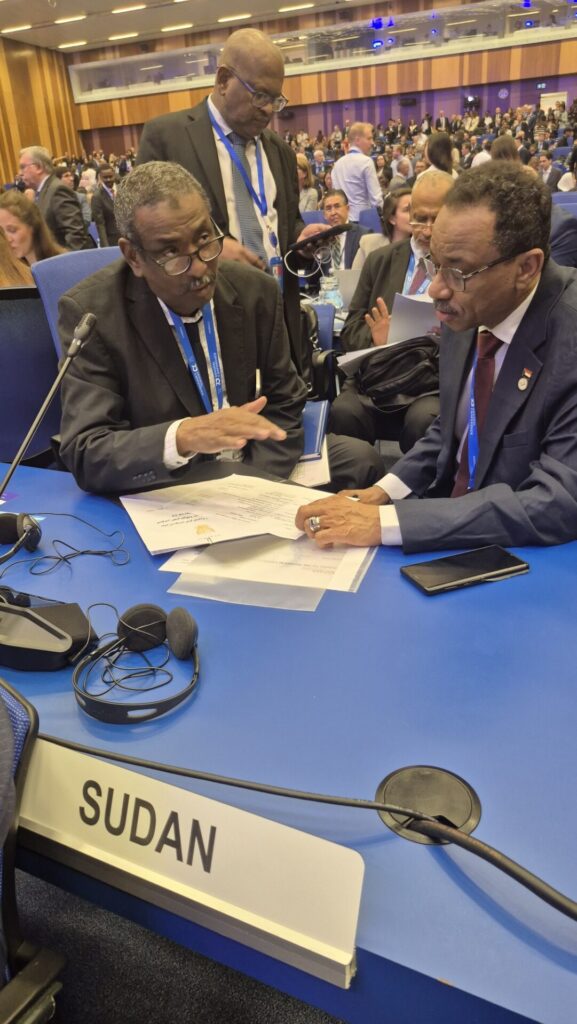
The 70th General Conference of the International Atomic Energy Agency (IAEA) took place from 14 to 18 September 2023. This annual event serves as a pivotal platform for member states to convene, discuss, and strategize on crucial matters concerning nuclear energy, with an emphasis on safety, security, and non-proliferation. The conference gathered representatives from over 170 countries, alongside numerous intergovernmental and non-governmental organizations, reflecting its global importance and outreach.
The IAEA General Conference is a cornerstone event in the nuclear sector, illustrating the agency’s commitment to fostering international collaboration on nuclear safety and promoting the peaceful use of atomic energy. In a world where atomic energy plays a critical role in various sectors, from power generation to medical applications, the significance of this gathering cannot be overstated. This year’s conference aimed not only to review the agency’s activities over the past year but also to set future priorities for enhancing the safe and sustainable use of nuclear technology.
During the five-day event, participants engaged in discussions centered around critical themes such as climate change, energy transition, and advancements in nuclear technology, all while reinforcing the framework of international nuclear law. The conference serves to highlight the IAEA’s ongoing initiatives in strengthening safety measures and regulatory frameworks to safeguard nuclear materials and facilities. Ultimately, the 70th General Conference offered a vital opportunity for member states to reiterate their commitment to the principles of the IAEA and to foster mutual understanding and cooperation in addressing global challenges associated with nuclear energy.
Key Themes and Agenda Items Discussed
The 70th IAEA General Conference served as a critical platform for member states to address several key themes that will shape the nuclear landscape in the upcoming year. Over the course of the event, a variety of discussions highlighted important topics including nuclear safety and security, advancements in technology, and the integral role of atomic energy in promoting sustainable development.
One of the primary agenda items was the emphasis on nuclear safety and security. Member states collaboratively underscored the need for rigorous safety measures and the continuous enhancement of security frameworks to protect nuclear materials from potential threats. This focus is particularly vital as global reliance on nuclear energy increases, as it necessitates sustained commitment to safe operational practices.
Technological advancements took center stage, with discussions centered around innovative nuclear technologies that could revolutionize energy production and improve efficiency. The integration of advanced nuclear reactors and novel fuel cycles demonstrates a collective aim to bolster energy sustainability while addressing environmental concerns. As countries strive to meet their energy demands responsibly, technology emerges as a crucial element in transitioning to a low-carbon future.
Additionally, the conference spotlighted the role of atomic energy in fostering sustainable development goals. It was acknowledged that nuclear energy can significantly contribute to decarbonizing electricity production and thus mitigate climate change. Member states expressed their commitment to leveraging nuclear power as a fundamental resource for achieving energy security while simultaneously encouraging economic growth and stability.
In conclusion, the key themes from the 70th IAEA General Conference illustrate a clear agenda focused on enhancing nuclear safety and security, embracing technological innovations, and emphasizing the pivotal role of nuclear energy in sustainable development. These discussions and the priorities set by member states will be instrumental in guiding future initiatives within the IAEA framework.
Notable Speeches and Presentations
The 70th IAEA General Conference showcased a series of impactful speeches and presentations delivered by key figures in the nuclear energy sector. These addresses provided a platform for sharing insights on the future of atomic energy, emphasizing both its advantages and the imperative for global safety measures. Among the speakers was the Director General of the IAEA, who outlined the organization’s commitment to promoting safe and secure nuclear technologies while addressing climate change challenges.
Various member states also took to the stage to share their progress and plans in the nuclear sector. Notably, representatives from countries with advanced nuclear programs discussed their innovative approaches to harnessing atomic energy responsibly. These presentations underscored the potential of nuclear energy in achieving sustainable development goals and reducing greenhouse gas emissions. Additionally, discussions highlighted the importance of international cooperation in advancing nuclear safety and security.
Another significant aspect of the conference was the dialogue surrounding advancements in nuclear technology. Experts presented research findings and developments in areas such as small modular reactors and nuclear fusion, elucidating how these innovations can contribute to a more resilient and sustainable energy future. The emphasis across presentations was clear: as the world faces pressing energy and environmental challenges, nuclear technology can play a critical role.
The insights shared during these speeches collectively reinforced the narrative that the future of atomic energy demands a balance between innovation and responsibility. By adhering to robust safety protocols and fostering collaboration among nations, the global community can leverage nuclear advancements while ensuring the highest standards of safety are met.
Conclusions and Future Directions
The 70th IAEA General Conference has concluded with a series of important outcomes that hold significant implications for the international community. The resolutions adopted during this conference reflect the collective commitment of member states to enhance global nuclear safety, promote peaceful uses of nuclear technology, and strengthen efforts on non-proliferation and disarmament.
Among the key agreements reached was a renewed emphasis on improving the safety and security frameworks governing nuclear facilities. This development is particularly vital in the context of emerging technologies and the need for robust standards that can adapt to changing environments. The conference participants recognized the essential role the International Atomic Energy Agency (IAEA) plays in providing a platform for dialogue and cooperation among nations.
Moreover, the conference underscored the importance of scientific advancements in the peaceful utilization of nuclear energy, which is crucial for addressing global challenges such as climate change and sustainable development. Collaborative projects and knowledge-sharing initiatives are expected to gain momentum in the coming years, reinforcing the IAEA’s role as a facilitator in this respect.
Looking ahead, the outcomes of the 70th General Conference indicate clear future directions for the IAEA. Member states will need to focus on implementing the adopted resolutions, ensuring that necessary resources and strategies are in place to support ongoing initiatives. This includes monitoring progress, fostering transparency, and maintaining dialogue among stakeholders to promote a unified approach towards nuclear governance.
In conclusion, the results of the conference signify a pivotal moment in shaping the future of the IAEA’s operations. By collectively addressing the challenges and opportunities within the nuclear domain, the international community is poised to advance security, safety, and the use of nuclear science for peaceful purposes. The next steps will require collaborative efforts to uphold the commitments made, ensuring that the IAEA continues to effectively navigate the complexities of global nuclear issues.