Overview of the IAEA’s Mission and Context of the Visit
The International Atomic Energy Agency (IAEA) serves as a pivotal global organization within the realm of nuclear safety and security. Established to promote the peaceful use of nuclear energy and to prevent the proliferation of nuclear weapons, the IAEA plays a significant role in fostering international cooperation. Its mission encompasses assisting member states in adhering to safety standards, thereby ensuring that nuclear energy is utilized in a manner that does not pose a risk to public health or the environment.
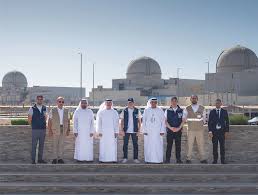
The geopolitical landscape of the Gulf region has recently been marked by escalating tensions, further underscoring the relevance of the IAEA’s mission. A notable incident that highlights these concerns is the drone attack on the Barakah Nuclear Power Plant, which serves as a reminder of the vulnerabilities faced by nuclear facilities in politically sensitive areas. Such incidents raise questions about the adequacy of existing safety protocols and the need for stringent international cooperation to safeguard nuclear installations.
Director General Rafael Mariano Grossi’s visit to the Gulf region is timely and significant, considering the recent security challenges. This diplomatic effort aims to enhance collaboration between the IAEA and Gulf states regarding the implementation of nuclear safety measures. Grossi’s dialogue with regional leaders is crucial not only for fostering trust but also for addressing the security challenges that threaten nuclear facilities. By promoting a cooperative framework, the IAEA seeks to fortify the safeguards essential for the sustainable development of nuclear energy within the region.
Key Meetings and Discussions in Kuwait
During his recent visit to Kuwait, IAEA Director General Rafael Grossi engaged in a series of pivotal meetings with high-ranking officials, including discussions with the Foreign Minister. The primary focus of these interactions was centered around enhancing regional cooperation and addressing vital developments in nuclear safety. The dialogue termed the significance of the IAEA’s role, particularly in fortifying nuclear safety protocols across the Gulf region. With the IAEA’s ongoing commitment to supporting member states, these discussions aimed to reinforce collaborative efforts for maintaining safety standards in nuclear operations.
Furthermore, the conversations underlined the importance of the peaceful applications of nuclear technology. Grossi emphasized how these technologies can facilitate advancements in various sectors, including energy, agriculture, and health. This insight aligns with the IAEA’s broader mission to promote the peaceful use of nuclear science while ensuring that safety measures are firmly in place. Grossi’s meetings are part of a concerted effort to construct safe and innovative pathways for nuclear advancements that adhere to international standards.
In addition to high-level meetings, Grossi visited the Kuwait Institute for Scientific Research (KISR), where he learned about ongoing projects utilizing nuclear technology to address climate change challenges and protect marine ecosystems. This visit highlighted the role of nuclear applications in environmental stewardship and conservation efforts. KISR’s initiatives underscore the potential of nuclear technology as a tool for research and development, particularly concerning sustainable practices that can help mitigate environmental impact.
The discussions and engagements during Grossi’s visit to Kuwait were significant, reflecting the IAEA’s ongoing commitment to promoting nuclear safety and cooperation in the Gulf region, while simultaneously fostering a collaborative spirit among member states focused on the peaceful use of nuclear technology.
Engagements in Qatar and the United Arab Emirates
The recent visit by IAEA Director General Rafael Grossi to the Gulf region included significant engagements in both Qatar and the United Arab Emirates (UAE). These interactions served as a platform to address pressing issues surrounding nuclear energy, safety, and regional security, particularly in light of Iran’s nuclear program. In Doha, Grossi met with Qatari leaders, focusing on the enhancement of nuclear safety protocols as well as the potential for nuclear technology to contribute to sustainable development within the region.
During discussions, Grossi emphasized the essential nature of international cooperation in maintaining nuclear safety standards and reiterated the IAEA’s role in facilitating this collaboration. The Qatari representatives expressed strong interest in elevating their nuclear safety capabilities and expressed a desire to engage more fully with the IAEA’s guidance and expertise. The discussions also touched upon the importance of transparency and communication in nuclear operations, particularly in a region marked by geopolitical tensions.
In Abu Dhabi, Grossi’s meeting with Emirati officials underscored the UAE’s commitment to nuclear safety following the recent drone attack that targeted its nuclear facilities. Grossi commended the UAE’s proactive measures in securing its nuclear infrastructure, highlighting the nation as a model for other countries pursuing similar energy strategies. The Emirati leadership reaffirmed its dedication to the peaceful use of nuclear energy while emphasizing the significance of safety in the broader context of energy security and economic development.
Through these engagements, Grossi effectively highlighted the mutual benefits of collaboration among Gulf nations in advancing nuclear safety and underscored the need for continued dialogue regarding regional stability in the face of external challenges, particularly with respect to Iran’s nuclear ambitions. These discussions are crucial in constructing a framework for future cooperation in harnessing nuclear technology for peaceful purposes while ensuring stringent safety measures are firmly in place.
Conversations with Saudi Arabian Officials and Conclusions on Cooperation
During the visit of IAEA Director General Rafael Grossi to the Gulf region, significant discussions unfolded with officials from Saudi Arabia, particularly with the country’s energy and foreign ministers. The focus of these conversations was centered on the Kingdom’s evolving civilian nuclear program, which aims at meeting its growing energy demands while ensuring compliance with international safety norms. Grossi’s engagements underscored the International Atomic Energy Agency’s (IAEA) crucial role in monitoring and facilitating the safe development of nuclear technology within Saudi Arabia, reinforcing the necessity for transparency and adherence to established guidelines.
The IAEA’s involvement is pivotal as Saudi Arabia charts its path in nuclear energy, a significant aspect of its Vision 2030 initiative. This plan not only strives to diversify the nation’s energy sources but also emphasizes the importance of developing a nuclear program that aligns with global safety protocols. In the discussions, the Saudi officials expressed their commitment to collaborating with the IAEA to ensure that safety remains at the forefront of the civilian nuclear ambitions.
Moreover, Grossi’s visit highlighted the broader implications of international nuclear cooperation beyond bilateral relations between nations. It was made clear that nuclear safety is not determined by borders; hence, global collaboration is essential in fostering a safe nuclear landscape. The shared responsibility among nations facilitates not only safety but also contributes to environmental protection and human health, thereby reinforcing the importance of the IAEA’s mission.
In conclusion, the conversations held with Saudi Arabian officials underscore a mutual understanding of the significance of safe nuclear practices and the importance of international cooperation. As the Kingdom moves forward, maintaining a transparent dialogue with international bodies like the IAEA will be crucial for achieving its goals in a secure manner.