Introduction to the Trilateral Summit
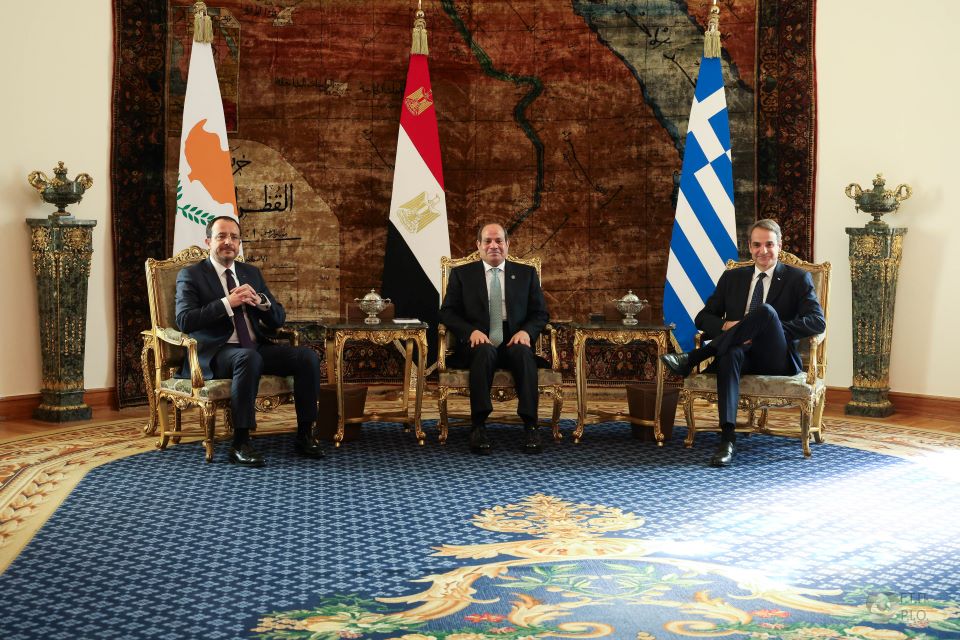
The recent trilateral summit held in El Alamein, which brought together leaders from Cyprus, Greece, and Egypt, marks a significant development in regional cooperation. This meeting is emblematic of the strengthening ties between these nations, particularly in the wake of growing geopolitical challenges and the necessity for collaborative action across various sectors. The summit facilitated a platform for the three countries to address essential issues related to energy, security, trade, and migration while emphasizing the overarching theme of regional stability.
During the event, the leaders reaffirmed their commitment to enhancing their strategic partnership, which has been evolving in response to changing dynamics in the Eastern Mediterranean. Energy security emerged as a key focus, reflecting the vital role that natural resources play in the political and economic stability of the region. The trilateral collaboration underscores a mutual recognition of the need to secure energy supplies, pursue joint energy projects, and ensure the sustainable development of these resources, particularly given the competitive interest of other regional and global actors.
Additionally, the summit’s discussions encapsulated the critical aspects of security cooperation, recognizing that shared security threats necessitate coordinated responses among nations. This cooperation not only aims to address immediate concerns but also serves to bolster long-term stability within the region. By fostering partnership in trade and migration, the three countries seek to promote mutual benefits, supporting economic growth while managing the complexities of migratory flows in a manner that respects human rights and regional agreements.
The El Alamein summit represents a pivotal moment in trilateral relations, establishing a framework for ongoing dialogue and action. As these nations navigate the multifaceted challenges ahead, their collaborations in energy, security, and beyond will be instrumental in shaping a stable and prosperous Eastern Mediterranean.
Strategic Energy Cooperation
The trilateral agreement on energy cooperation between the three nations marks a pivotal development in addressing shared strategic priorities, particularly in the realm of energy security. This collaborative framework underscores the necessity of sustainable energy access and the resilience of energy infrastructure, aiming to bolster the stability of energy supplies across the region.
Central to this energy cooperation is the commitment to advancing electricity interconnection projects, which are vital for enhancing energy trade among the nations. By establishing a robust electrical grid link, the countries can foster greater energy security, mitigate risks associated with supply disruptions, and enable an efficient exchange of renewable energy resources. Such interconnections not only serve to enhance grid reliability but also contribute to the region’s overall economic efficiency and environmental sustainability.
Additionally, the collaboration extends to the vital sphere of natural gas exploration and production, in which Cyprus plays a crucial role. The recent investment decision regarding the Kronos gas field signifies a major step toward realizing the full potential of natural gas exports from Cyprus to Europe via Egypt. This project not only promises to diversify the energy supply chain for Europe but also positions Cyprus as a key player in regional energy dynamics. The implications of this investment are profound, as they could lead to strengthened energy ties between the nations involved and robust export capabilities, thereby enhancing energy security for all parties.
Overall, the trilateral cooperation on energy encompasses a multifaceted approach designed to strengthen regional stability while fostering sustainable energy development. By focusing on interconnected energy initiatives and collaborations in natural gas, the three nations are not only addressing immediate energy concerns but also laying the groundwork for long-term strategic benefits that will enhance energy security throughout the region.
Regional Security Concerns and Resolutions
In recent discussions among the leaders of the trilateral partnership, significant attention has been directed towards the collective stance on various pressing regional issues, with a particular emphasis on the ongoing humanitarian crisis in Gaza. The situation remains dire, prompting these leaders to reaffirm their support for a two-state solution as the most viable path towards lasting peace. This commitment not only seeks to address the immediate humanitarian needs but also aims to establish a framework for peaceful coexistence between Israelis and Palestinians.
Moreover, humanitarian access has been a focal point of their dialogue. The leaders recognize the urgency of ensuring that aid reaches those in desperate need within Gaza, while also emphasizing the importance of safeguarding the rights and security of civilians. Such actions reflect their broader dedication to promoting human dignity and fostering an environment conducive to dialogue and reconciliation.
In addition to focusing on Gaza, the discussions have extended to regional dynamics involving Lebanon and Libya. The instability in these countries presents further challenges to security in the region. The leaders have articulated their intent to strengthen support for efforts aimed at stabilizing Lebanon, countering both sectarian tensions and external influences that threaten its sovereignty. Similarly, the situation in Libya requires a coherent international approach, with the leaders advocating for diplomatic solutions that facilitate political unity and curb the flow of arms contributing to ongoing conflict.
Ultimately, the trilateral partnership underscores the necessity for a concerted diplomatic effort to address and resolve conflicts throughout the region. Their shared vision encompasses not only the fundamental tenets of peace and security but also the long-term objective of establishing institutional mechanisms that promote stability and mitigate potential crises. This comprehensive approach reflects their commitment to fostering a more peaceful and secure future for the region.
Institutional Framework and Future Collaboration
The operational aspects of the trilateral partnership among the involved nations focus on establishing a robust institutional framework that will facilitate long-lasting cooperation in energy and security. A pivotal element in this framework is the series of upcoming meetings involving defense and foreign ministers, which are designed to streamline communication and foster unified strategies. These meetings will provide an essential platform to address immediate challenges and explore collaborative opportunities in bilateral and multilateral contexts.
Moreover, the establishment of a permanent secretariat is a critical step in institutionalizing this partnership. The secretariat will not only provide administrative support but also serve as a central hub for coordination and information sharing among the countries involved. This initiative aims to enhance the efficiency of collaborative efforts and ensure that all parties remain aligned on their objectives and commitments.
The principles that guide this trilateral collaboration include mutual respect, shared responsibilities, and a commitment to addressing common challenges. These foundational elements are key to establishing trust and facilitating effective dialogue between the nations. As each member works towards a cohesive policy approach, the potential for enhanced relations, particularly between the EU and Egypt, becomes increasingly viable. Strengthening these diplomatic ties is imperative, particularly in the context of energy security and geopolitical dynamics.
Looking ahead, the agenda for the next summit, scheduled to take place in Cyprus, will be crucial in defining the future trajectory of this collaboration. This meeting will not only address ongoing initiatives but also set a framework for future engagements, ensuring that the trilateral partnership evolves with changing global conditions. The outcomes of this summit are anticipated to reflect a deeper commitment to cooperation, cementing the trilateral relationship as instrumental in both energy and security domains.