Overview of the Visit
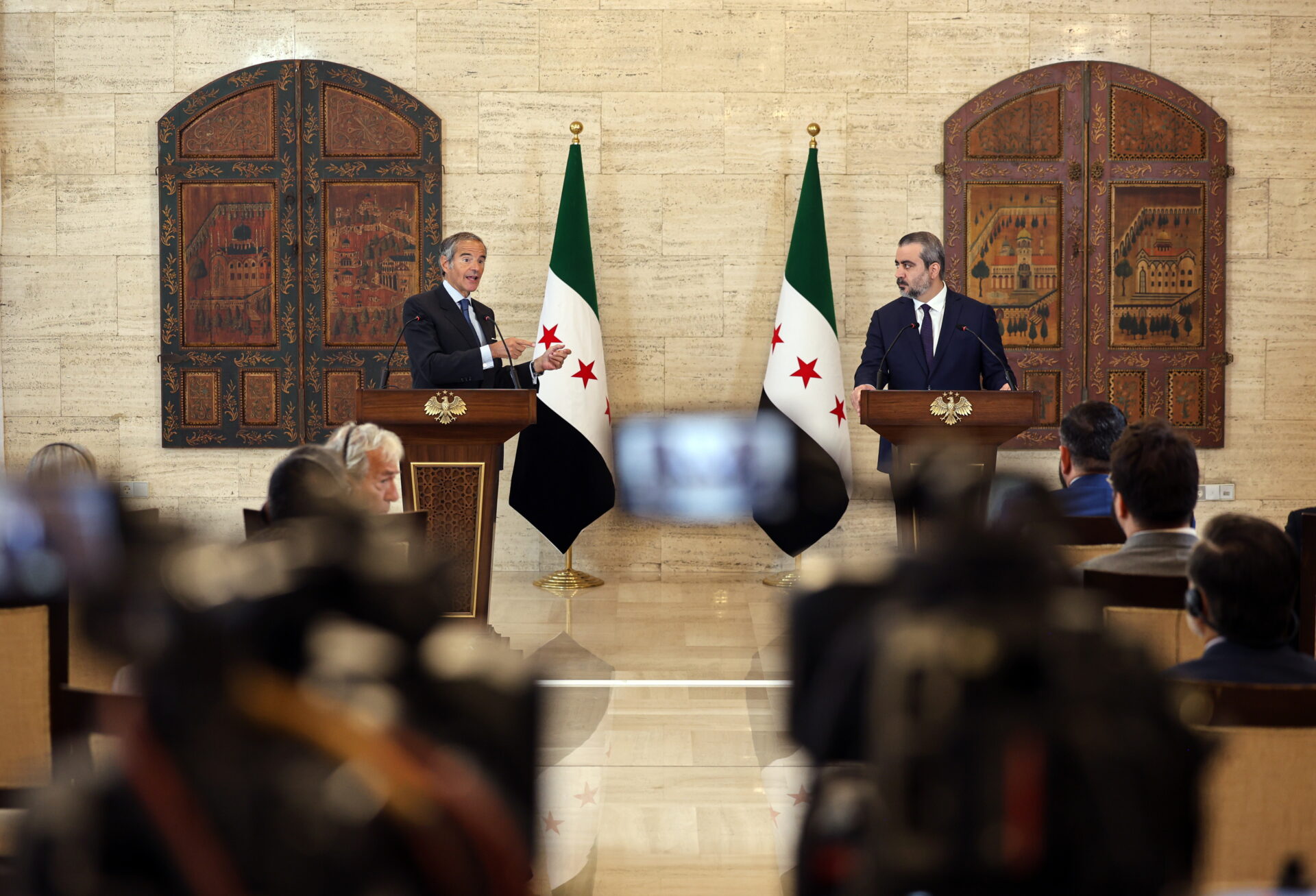
On August 17-18, 2026, Rafael Grossi, the Director General of the International Atomic Energy Agency (IAEA), conducted a pivotal visit to the Syrian Arab Republic. The primary goal of this visit was to engage in meaningful discussions surrounding nuclear safeguards, which are essential in promoting transparency and accountability in the use of nuclear material and technology. This visit came at a critical juncture in international relations concerning nuclear non-proliferation and served to reinforce the IAEA’s commitment to enhancing cooperation with its member states.
During the visit, Grossi met with significant figures in the Syrian government, including the Syrian Minister of Foreign Affairs, Asa’ad Hassan Al-Shaibani. These discussions were crucial in addressing both the current status of nuclear activities in Syria and the relevant safeguards that are necessary to ensure they remain peaceful and under control. The meetings provided an opportunity for the IAEA to reiterate its role in supporting Syria’s compliance with international nuclear safety and security standards.
The discussions held during Grossi’s visit underscored the importance of dialogue and collaboration between the IAEA and Syrian authorities. They focused on enhancing the effectiveness of nuclear safeguards and ensuring that nuclear technology is used solely for peaceful purposes. This engagement also aimed to clarify misconceptions surrounding Syria’s nuclear ambitions and foster a more cooperative relationship moving forward.
Moreover, the visit by Grossi highlighted the ongoing efforts of the IAEA to adapt and evolve its standards in response to the changing nuclear landscape in the region. By reinforcing trust and transparency, the IAEA aims to mitigate risks associated with nuclear proliferation and promote a culture of accountability among its member states.
Commitment to Transparency and Non-Proliferation
Syria has reaffirmed its commitment to the Non-Proliferation Treaty (NPT), demonstrating a significant step towards enhancing nuclear safety and security in the region. This commitment underscores the country’s recognition of the importance of nuclear non-proliferation as a cornerstone of international peace. By actively engaging in the full implementation of safeguards agreements, Syria aims to build trust and ensure compliance with international norms surrounding nuclear material and technology.
In the recent discussions, Syrian representatives highlighted their proactive measures in cooperating with the International Atomic Energy Agency (IAEA). This cooperation is aimed at addressing and clarifying previously undeclared nuclear materials. By bringing these materials to light, Syria not only contributes to a more comprehensive understanding of its nuclear activities but also aligns with global efforts to prevent nuclear proliferation. Such transparency is crucial for fostering confidence among nations and alleviating regional tensions.
The emphasis on transparency extends beyond mere compliance; it reflects Syria’s acknowledgment of the broader implications of nuclear governance in fostering regional stability. As countries in the Middle East navigate complex geopolitical dynamics, Syria’s transparent approach can serve as a model for others, showcasing that cooperation in nuclear safeguards is essential for maintaining security. Enhanced communication and information sharing between Syria, the IAEA, and other concerned parties may facilitate better outcomes in nuclear governance, contributing to a shared commitment to peace and security.
Thus, Syria’s reaffirmation and proactive stance illustrate a positive development in the collective endeavor towards nuclear non-proliferation. By addressing previously undeclared materials and enhancing transparency, Syria not only adheres to international expectations but also plays a pivotal role in promoting stability within the region.
Assessments and Findings at Key Locations
One of the prominent sites visited during the recent inspection trip was Deir Ez-Zor. This location has garnered significant attention due to its historical association with nuclear activities in Syria. The excavation work currently being undertaken is a critical aspect of ongoing investigations into the past nuclear initiatives within the country. The International Atomic Energy Agency (IAEA) has established a framework for assessing these historical activities to ensure compliance with international regulations and commitments.
During the examination of Deir Ez-Zor, the IAEA officials engaged with local teams to gather data on the excavation processes. The importance of these findings cannot be overstated, as they play a vital role in understanding the extent and implications of prior nuclear activities in the region. The excavation efforts are not merely a response to past activities, but they also aim to align with the global push for enhanced nuclear safeguards and transparency.
The IAEA’s assessment highlighted several key findings that underscore the necessity for ongoing monitoring and cooperation. Notably, the Agency emphasized the importance of robust verification measures to confirm that any remnants of past nuclear operations are being adequately addressed. By ensuring that these assessments are comprehensive, the IAEA is working towards reinforcing Syria’s obligations on nuclear non-proliferation. Moreover, engaging in such assessments is crucial to bolster international confidence in the stability and transparency of the nation’s nuclear program.
In conclusion, the ongoing excavation projects in Deir Ez-Zor, alongside the IAEA’s assessments, reflect a dedicated effort by Syria to comply with its international obligations. This cooperation is vital for the global community’s understanding and management of nuclear risks associated with the region and is a testament to the broader initiative aimed at enhancing nuclear safeguards.
Future Collaborations and Next Steps
Following Grossi’s recent visit, the emphasis now shifts towards actionable steps aimed at enhancing cooperation on nuclear safeguards between the International Atomic Energy Agency (IAEA) and Syria. This collaboration holds significant implications for both parties as they seek to address existing outstanding safeguards issues effectively. The meeting highlighted a commitment to implementing measures that ensure compliance with international nuclear standards.
The agreed-upon measures encompass a series of inspections and monitoring initiatives that will facilitate transparency in Syria’s nuclear capability. Such measures not only aim to alleviate international concerns but also bolster Syria’s own regulatory frameworks regarding nuclear technology. This proactive approach is crucial for fostering trust and ensuring that nuclear activities are directed strictly towards peaceful purposes.
In addition to resolving current concerns, the discussions laid the groundwork for an expansion of cooperation in the domain of peaceful nuclear technology. This phase involves sharing of technical expertise and best practices that can contribute to Syria’s national development goals. The anticipated exchange of knowledge and resources is expected to enhance the governance framework surrounding nuclear energy utilization.
Moreover, the implications of this strengthened partnership transcend technical cooperation. They suggest a potential shift in governance practices, prompting a review of national policies to align with international nuclear safety norms. This development not only enhances Syria’s global standing but also opens avenues for further collaboration with other nations and international bodies, enriching the discourse on nuclear governance.
As both parties work towards these goals, it is essential that they remain committed to transparency, accountability, and continual engagement. The path forward promises to be intricate yet rewarding, offering opportunities for growth and enhanced security through collaborative efforts in nuclear safeguards.