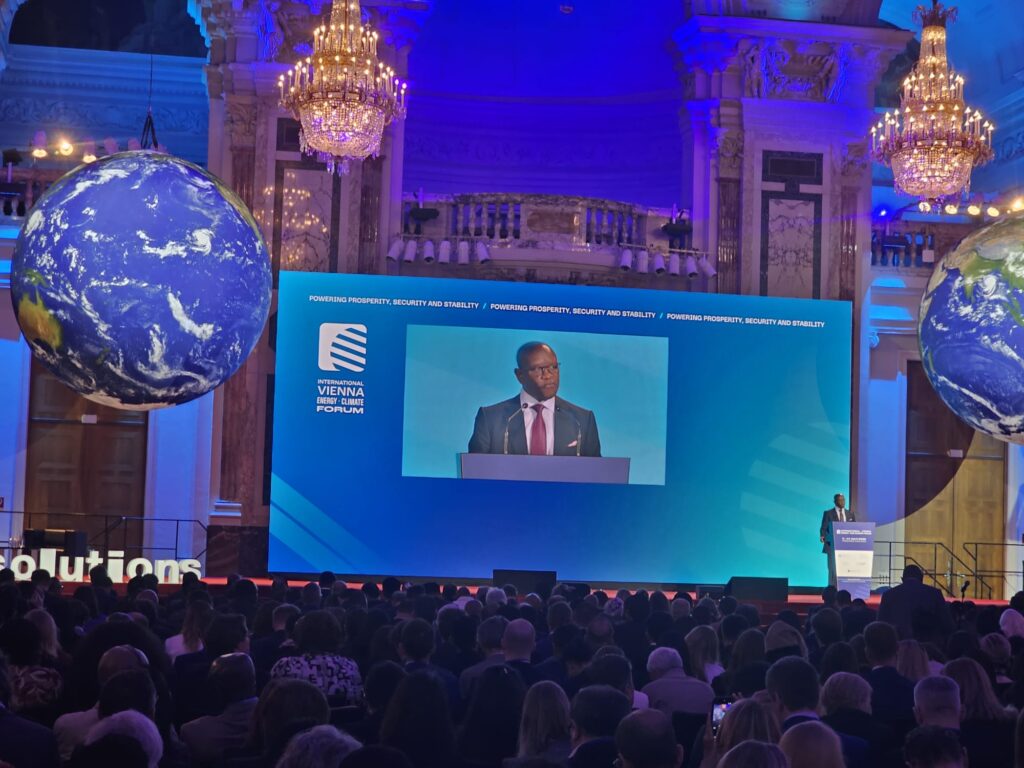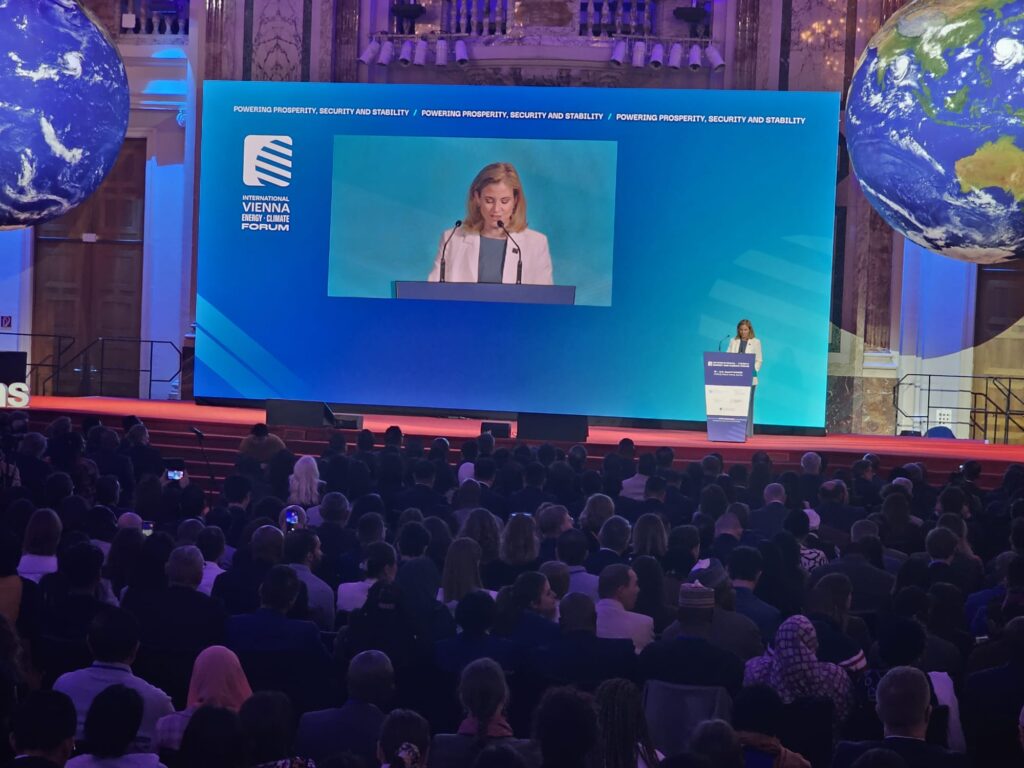



Overview of the International Vienna Energy and Climate Forum
The International Vienna Energy and Climate Forum (IVECF) serves as a pivotal event aimed at addressing the intertwined challenges of energy transition and climate change. This forum stands as a platform where policymakers, industry leaders, and experts come together to deliberate on promoting sustainable energy solutions and climate resilience, thereby outlining a collective path toward a low-carbon future. Central to its mission is the integration of energy policies with climate objectives, ensuring that efforts in energy development align closely with the imperatives of climate action.
IVECF is organized by a coalition of influential stakeholders including the United Nations Industrial Development Organization (UNIDO) and the Austrian Federal Ministry for Climate Action, Environment, Energy, Mobility, Innovation, and Technology. Their collaboration signifies a commitment to fostering partnerships that unite government apparatuses, private sector innovation, and civil society engagement. By aligning their goals, these organizations strive to create a conducive environment for discussing best practices, sharing technological advancements, and formulating strategic recommendations that will propel international efforts toward energy and climate resilience.
The forum’s overarching objective transcends mere discussions; it aims to catalyze integrated action across various sectors, promoting a holistic approach to energy and climate policy. Key themes addressed include renewable energy deployment, energy efficiency, and the transition of industries to sustainable practices. This multi-faceted approach recognizes that energy issues cannot be effectively tackled in isolation. Instead, collaboration and cross-sectoral strategies are necessary to achieve the UN Sustainable Development Goals (SDGs) and the targets established under the Paris Agreement.
Challenges and Opportunities in the Current Energy Landscape
The global energy landscape is currently grappling with a myriad of challenges, including geostrategic tensions which exacerbate supply chain disruptions, and price volatility that creates economic strain on both consumers and producers. These factors contribute to a complex environment where inequities are magnified, particularly in developing nations that often struggle with access to reliable and affordable energy. As energy prices fluctuate, the burden disproportionately falls on these nations, hindering their development and economic stability.
Furthermore, many developing countries find themselves at a crossroads. While they face significant hurdles in traditional energy sectors, they also possess unique opportunities to transition towards clean energy solutions. This transition not only has the potential to reduce their carbon footprints but can also lead to the development of robust industrial sectors. By investing in renewable energy technologies, developing nations can create jobs, stimulate local economies, and enhance energy security.
To facilitate this transition, international cooperation and investment are crucial. Global partnerships can provide the necessary technological expertise, financial support, and policy frameworks that empower developing countries to harness their renewable energy potential. Initiatives aimed at sharing best practices, fostering innovation, and aligning standards can serve as effective catalysts for growth in sustainable energy markets.
Moreover, opportunities abound for diversifying energy portfolios, which can lead to increased resilience against external economic shocks. Developing countries that successfully navigate this transitional period can not only achieve sustainability goals but can potentially emerge as leaders in the global clean energy market, thereby transforming their economies and contributing to the overall stabilization of the energy landscape.
Innovative Pathways for Green Industrialization
The International Vienna Energy and Climate Forum (IVECF) highlighted innovative pathways to achieve green industrialization, recognizing its pivotal role in addressing climate change while mitigating economic instability. Green industrialization encompasses a transformative approach that seeks to integrate sustainable practices and technologies within various industries. This necessitates robust enabling policies and investment frameworks that nurture not only the transition to renewable energy sources but also the reassessment of existing industrial practices.
One of the key aspects discussed at the forum is the importance of policy frameworks designed to incentivize businesses to adopt green technologies. Governments are encouraged to implement regulations and provide financial support that can facilitate this transition. By fostering an environment conducive to innovation, industries can explore sustainable options that minimize their environmental impact while enhancing economic viability.
In addition to policies and investments, the forum emphasized the critical need for inclusivity within the green sectors. Engaging women and youth as vital contributors is essential for realizing the potential of green industrialization. Empowering these groups can lead to the development of new skills and capacities, thereby ensuring that the transition to more sustainable economic practices is equitable and comprehensive. This focus on inclusivity not only helps diminish existing inequality but also enriches industries with diverse perspectives and ideas.
Moreover, discussions at the IVECF underscored the importance of creating green jobs as a part of this transition. By investing in new technologies and sustainable practices, there is an opportunity to generate employment that supports both environmental goals and economic development. These green jobs will be crucial for the workforce as industries evolve and adapt to new environmental standards and practices.
Transformative Actions and Future Directions
The International Vienna Energy and Climate Forum (IVECF) has served as a crucial platform for driving transformative actions across global efforts in energy efficiency and climate resilience. The discussions held during the forum have underscored the need for a profound operationalization of the Belém Declaration. This declaration aims to set a collaborative framework that ensures actions are aligned with imminent climate challenges.
An action-oriented approach was prominent throughout the deliberations, promoting a focus on practical solutions and shared commitments among countries. Recognizing the importance of fostering international cooperation, IVECF advocates for the establishment of multi-year plans that can outline specific goals, responsibilities, and timelines. Such plans are vital for enhancing collaboration among vulnerable nations, particularly those that are most susceptible to the adverse impacts of climate change.
Future directions stemming from the IVECF discussions emphasize the need for ongoing investment in climate resilience initiatives. The forum seeks to contribute to the post-2030 development agenda by laying foundational strategies that address energy poverty and climate vulnerabilities simultaneously. Furthermore, the commitment to integrating climate resilience into national development plans aligns with global aspirations for sustainable development.
It is essential to recognize the role of knowledge sharing and capacity building, which can empower local communities to engage in climate action effectively. The IVECF seeks to catalyze advancements in technology transfer and green energy solutions that are tailored to the unique needs of developing nations. This multifaceted approach aims to create a resilient framework that addresses energy and climate challenges comprehensively, ensuring all nations can navigate the complexities of future climate impacts effectively.