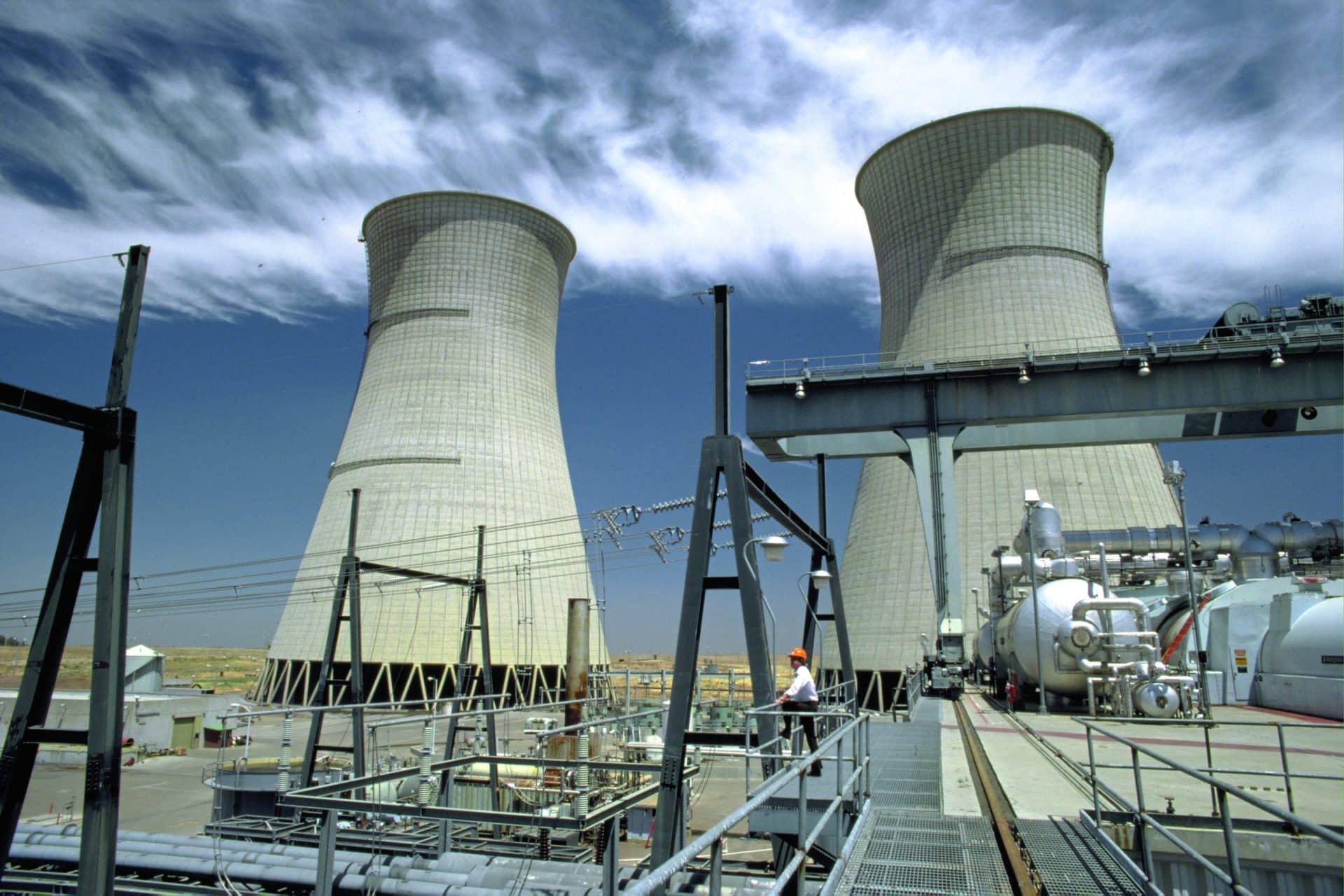
At the request of the Government of Jordan, an expert team from the International Atomic Energy Agency (IAEA) conducted an Integrated Regulatory Review Service (IRRS) mission to examine the country’s arrangements for nuclear and radiation safety. The Energy and Minerals Regulatory Commission (EMRC), Jordan’s independent regulatory authority, hosted the review. The mission assessed how the national regulatory system is organized and implemented, including the laws, institutional responsibilities and regulatory processes that support the safe use of radiation and nuclear technology.
The team reported that Jordan has established a comprehensive and well-developed framework for nuclear and radiation safety. Its review also identified areas where arrangements could be strengthened further. These findings are intended to support continued improvement, rather than replace the country’s own decision-making or responsibilities. The IAEA’s review provides an external perspective, drawing on international expertise and the experience of regulators in other countries.
This mission was Jordan’s second IRRS cycle. It followed the country’s first IRRS mission in 2014 and a follow-up mission in 2017, which considered progress in addressing earlier findings. A repeat review enables experts to consider developments over time and assess the regulatory system against current expectations and practice. It also gives national authorities an opportunity to examine changes made since previous reviews and identify remaining priorities.
The IRRS is designed to assess a country’s governmental, legal and regulatory arrangements against IAEA safety standards and relevant international practice. Its scope can include the effectiveness of the regulatory body, the national framework for safety, and the regulation of facilities and activities involving radiation sources. The service is based on peer review: specialists with regulatory experience examine evidence, exchange information with national counterparts and formulate observations and recommendations. The findings can help inform future planning, but implementation rests with the country. Under the international framework for nuclear and radiation safety, each state retains primary responsibility for protecting people and the environment. Accordingly, the IRRS supports national authorities by offering an independent assessment and practical insights, while Jordan remains responsible for its regulatory decisions and for ensuring safety within its jurisdiction.
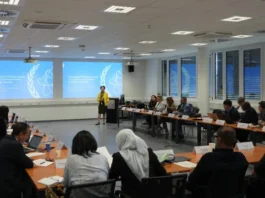
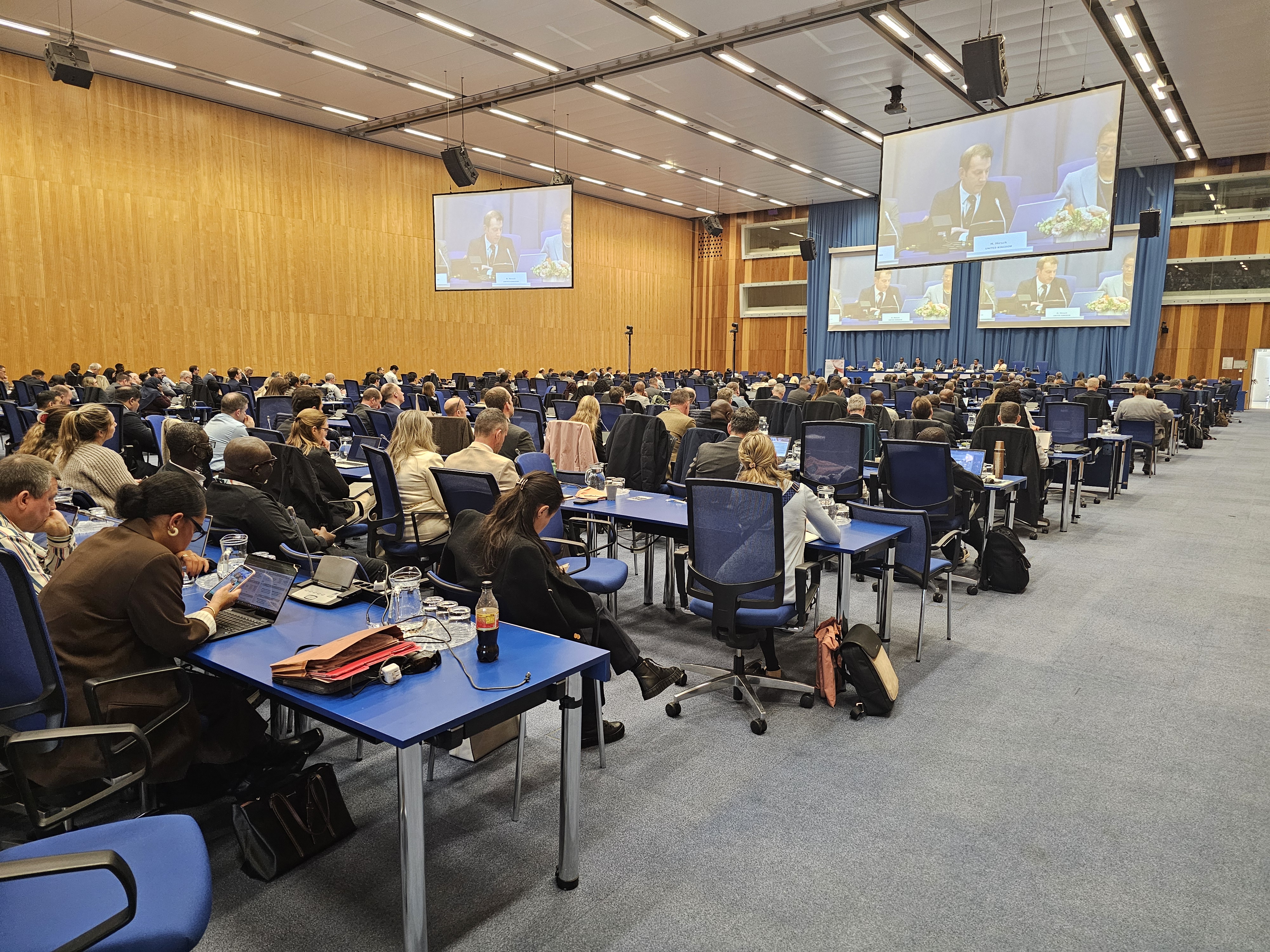
From 2 to 10 November 2026, a 12-member international expert team conducted a nine-day review of Jordan’s radiation and nuclear safety framework. The experts came from Brazil, Canada, Croatia, Egypt, Finland, Lithuania, Pakistan, Poland, Portugal, Romania, Sweden and Switzerland, with support from three staff members of the International Atomic Energy Agency (IAEA). The mission examined how responsibilities are allocated between the government and regulatory bodies, and how Jordan participates in the international nuclear safety regime.
The review covered the legal and regulatory foundations for safety, including relevant laws and regulations, management systems and supporting guidance. Experts also considered how the regulator authorizes activities involving radiation and nuclear technology, carries out reviews and safety assessments, conducts inspections, and applies enforcement measures where needed. Emergency preparedness and response formed another part of the assessment. Together, these areas provided a broad view of the arrangements intended to protect people and the environment across facilities and activities, rather than focusing on a single installation or technology.
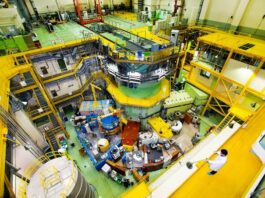
To understand how the framework operates in practice, the team interviewed government officials and regulatory staff and visited a range of facilities. These included the Jordan Research and Training Reactor; radiotherapy and nuclear medicine facilities at Al Basheer Hospital; the radioactive waste treatment facility; and a gamma irradiation facility used to sterilize medical products. The visits enabled experts to observe safety practices and discuss regulatory oversight in settings with different purposes and risk profiles.
The breadth of the mission reflects Jordan’s varied use of radiation in medicine, industry and research, as well as its operation of a research reactor. It also matters as the country considers nuclear power as part of its energy strategy. A robust safety and regulatory system is essential for managing existing applications responsibly and for making informed decisions about future nuclear activities. The review therefore offered an opportunity to assess established arrangements, identify areas for further attention and exchange experience with international peers, while considering the regulatory capabilities required as Jordan’s needs and plans evolve.
The review team identified seven areas of good performance in Jordan’s radiation and nuclear safety system. These findings point to established practices that support oversight and public protection; they do not mean that every challenge has been resolved. The team noted Jordan’s sustained participation in international peer review, alongside a commitment to transparency and continual improvement. Returning to external review allows regulators to compare arrangements with international standards, consider recommendations and track progress over time.
Communication was another strength. Information about radiation safety was made more accessible, including through sign-language interpretation, helping people with different communication needs engage with safety information. The team also recognized outreach to the public and to children. Building awareness from an early age can help people understand radiation risks and the measures used to manage them, while public engagement supports informed discussion.
In workplaces, Jordan’s radiation protection activities addressed industries that use materials containing naturally occurring radioactive substances. Such work is significant because radiation exposure can arise in sectors not traditionally associated with nuclear technology, and practical protection measures help employers and workers identify and manage potential risks. The team also noted the recognition of good performance among licensees. Acknowledging effective safety practices can encourage continued attention to compliance and reinforce positive examples across regulated organizations.
Other recognized practices included radon mapping in locations that are difficult to access. Mapping can improve understanding of where exposure may occur and help guide decisions about monitoring and protection. For transport emergencies, the team highlighted a graded approach: preparedness and response arrangements are matched to the nature and potential consequences of an event, rather than applied uniformly in every situation.
Mission leader Ramzi Jammal emphasized that effective oversight depends on sound institutions and processes, as well as an ongoing willingness to learn and improve. The recognized practices therefore offer both evidence of Jordan’s existing capabilities and a basis for continued development of its safety framework.
The IAEA review identified four areas where Jordan can further strengthen its radiation and nuclear safety regulatory framework. These priorities build on the positive findings of the review team; they are opportunities to develop existing arrangements rather than a rejection of the progress already made. The recommendations focus on improving consistency, effectiveness and the long-term capacity of the regulatory system.
One priority is to continue developing the integrated management system of the Energy and Minerals Regulatory Commission (EMRC), supporting a coordinated approach to its responsibilities. Reviewers also called for core regulatory functions to become more consistent and effective. This includes authorization, review and assessment, inspection, and enforcement, which together underpin the regulator’s oversight of activities involving radiation and nuclear safety.
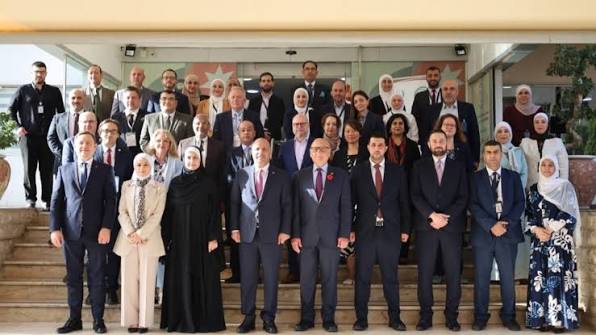
The review further highlighted the need to strengthen specific safety requirements and related regulatory arrangements. In particular, authorization provisions should address the full lifecycle of facilities using radiation sources, helping ensure that relevant safety considerations are covered from the start of an activity through its operation and eventual closure. Modernizing regulatory records and record keeping was identified as a separate priority, with improved systems supporting the management and accessibility of information needed for effective oversight.
EMRC Chairman Zeyad Al-Saaydeh said the review reflects Jordan’s commitment to maintaining an independent and effective regulator. He also emphasized the value of access to international expertise through the review process. Hilaire Mansoux, head of the IAEA section involved in the review, highlighted Jordan’s dedication to strengthening its regulatory infrastructure. Together, the comments underscore the role of external assessment in identifying practical ways to advance the country’s established framework.
The review team’s findings will be set out in a final report, which is expected to be delivered to Jordan’s government in about three months. The report will provide a basis for considering the recommended improvements and for continuing work to reinforce regulatory capacity, safety requirements and oversight arrangements.