Overview of the Sanctions and Monitoring Team
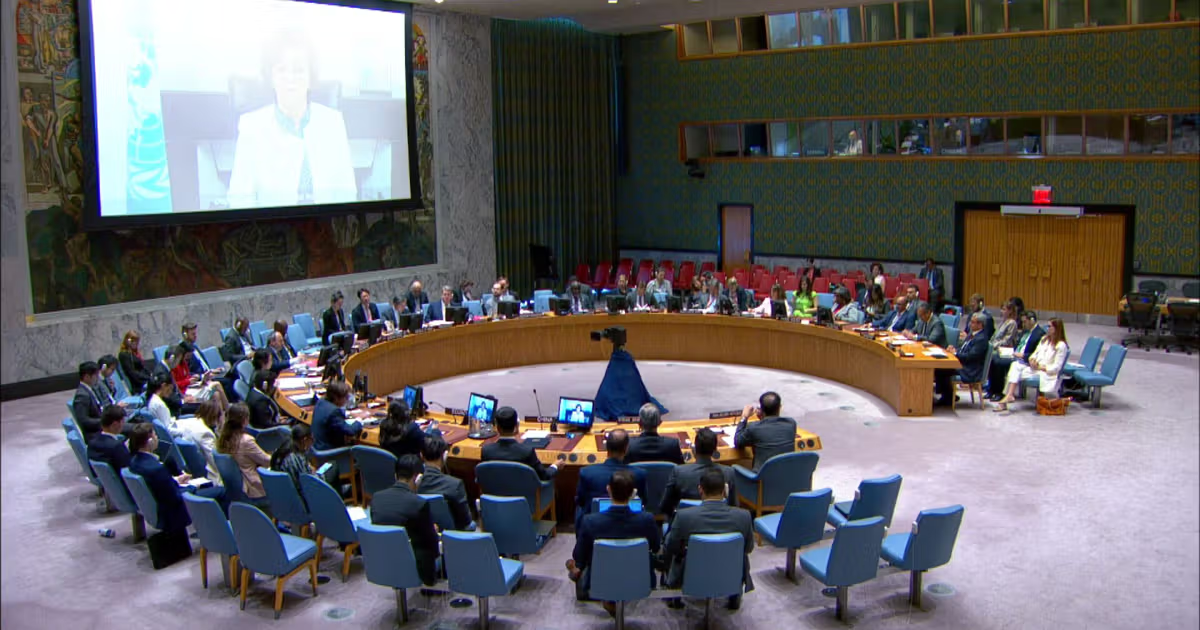
The sanctions against the Taliban and associated entities represent a critical component of the international community’s efforts to foster peace and stability in Afghanistan. These measures were put in place following the Taliban’s takeover of power in Afghanistan in August 2021, where they re-established their rule after a two-decade-long conflict. The United Nations Security Council (UNSC), recognizing the potential for a resurgence in violence, have reacted by imposing a series of sanctions aimed at restricting the movements and economic capabilities of Taliban leaders and their affiliates.
Resolution 2816 (2026) is a pivotal element of these measures, formalizing the sanctions regime and establishing a robust framework for monitoring compliance. This resolution underscores the necessity of holding the Taliban accountable for its commitments to the international community, particularly concerning human rights and counter-terrorism. It highlights priority areas such as the protection of civilians, the rights of women and children, and the prevention of Afghanistan as a breeding ground for terrorism. The resolution delineates the specifics of asset freezes, travel bans, and arms embargoes aimed at Taliban leaders and those assisting them.
The role of the monitoring team is fundamental in this context. Tasked with investigating and reporting on compliance with the sanctions, the monitoring team plays a vital role in assessing the Taliban’s actions and conformity with international standards. Their findings provide invaluable insights into the effectiveness of sanctions and inform future decisions by the UNSC. This team acts as the eyes and ears of the global community and facilitates a cohesive response to any breaches of the sanctions imposed on this political entity. Therefore, the extension of the monitoring team’s mandate is essential for sustaining international scrutiny and promoting accountability as Afghanistan navigates its tumultuous political landscape.
Diverse Perspectives on the Taliban’s Governance
The governance of the Taliban has elicited a wide range of responses from different member states, demonstrating the multifaceted nature of international diplomacy in the current geopolitical climate. The United States has been particularly vocal regarding its concerns about the human rights violations occurring under Taliban rule, with a specific emphasis on the treatment of women and girls. Reports indicate that the Taliban has implemented restrictive measures on the rights of women, forbidding them from accessing education and limiting their participation in public life. The U.S. government has condemned these actions, signaling that adherence to human rights standards is a critical component of any future engagement with the Taliban.
On the other hand, China and Russia have expressed their apprehensions primarily regarding security issues, particularly the threat of terrorism emanating from Afghanistan. Both nations have been cautious in their approach, urging the Taliban to ensure that their governance does not facilitate terrorist activities that could destabilize the region. While acknowledging the reality of the current political situation in Afghanistan, China and Russia are more focused on the implications of a potential resurgence in terrorism, which could affect their own national security interests.
The differing perspectives on the Taliban’s governance illustrate the complexities within the international community as it grapples with the challenge of responding effectively to a regime that has radically altered the political landscape of Afghanistan. While the United States prioritizes human rights and gender equality, China and Russia emphasize regional stability and security. This divergence not only complicates diplomatic relations but also poses questions about the effectiveness of sanctions and ongoing monitoring efforts in holding the Taliban accountable for its actions.
Challenges Faced by the Afghan People and Regional Stability
The Afghan populace presently endures a multitude of challenges, particularly in the wake of Taliban control. A primary concern is the resurgence of terrorism, which has seen a rise in violence and targeted attacks. The Taliban’s return to power has provided a fertile ground for extremist groups to operate with relative impunity, exacerbating fears among the civilian population. This heightened security threat not only impacts the lives of Afghan citizens but also unsettles neighboring nations, creating a volatile security climate throughout the region.
Drug trafficking represents another significant challenge, deeply intertwined with the socio-economic fabric of Afghanistan. The production of opium remains rampant, with Afghanistan accounting for a large share of the world’s opium supply. This illicit trade fuels both local violence and international drug-related issues, which put strain on regional partners such as Pakistan. The cascading effects of drug trafficking contribute to further instability, undermining efforts for sustainable governance and development initiatives.
Humanitarian crises are starkly visible across Afghanistan, where millions face acute food insecurity and limited access to essential services. Reports indicate that a substantial portion of the population suffers from malnutrition, particularly vulnerable groups such as children and women. The plight of women and girls remains particularly dire; under Taliban rule, restrictions on their freedoms have been imposed, severely curtailing their access to education and healthcare. These setbacks not only affect current generations but also jeopardize the future societal development of the nation.
The implications of such challenges extend beyond Afghanistan’s borders, impacting regional stability and security. Countries like Pakistan, Iran, and even Central Asian states are concerned about the spillover effects of Taliban policies, including the aforementioned humanitarian crisis and potential civil unrest. The interplay of these issues highlights the urgent need for a coordinated international response to stabilize Afghanistan and alleviate the suffering of its people.
The Path Forward: Engagement or Isolation?
The current position of the Taliban presents a complex challenge for the international community, with distinct pathways emerging for the future of governance in Afghanistan. A critical examination of the various perspectives articulated by UN member states indicates a clear call for the Taliban to adopt strategies that prioritize constructive governance and uphold their international obligations. Failure to do so could result in further isolation, further complicating the nation’s socio-economic recovery.
Member states have emphasized the importance of fulfilling promises regarding human rights, particularly those related to women and minority groups. Ensuring inclusive governance is not merely a moral obligation but a strategic necessity that could pave the way for engagement with various international actors. Enhancing accountability and transparency within the Taliban’s administration will be pivotal if they aspire to foster diplomatic relations and reduce the negative sentiment caused by ongoing sanctions. The burdens of these sanctions weigh heavily on the Afghan populace, affecting humanitarian aid and economic stability.
Moreover, potential peacebuilding measures, supported by the international community, could play a significant role in averting prolonged isolation. Initiatives focusing on dialogue and collaboration are essential in promoting a more stable environment in Afghanistan. For instance, sustained discussions with regional powers and global stakeholders may help address security concerns while encouraging the Taliban to embrace effective governance principles.
In essence, the decision facing the Taliban is clear: to benefit from international partnerships, they must cultivate a governance approach that aligns with global standards. A proactive stance on issues like human rights and economic development can create opportunities for cooperation rather than conflict. This pivotal juncture calls for a reevaluation of responsibilities by the Taliban and a concerted effort by the international community to guide them towards a more constructive path.”