Understanding the Current Crisis in Yemen
The ongoing crisis in Yemen represents one of the most severe humanitarian disasters in recent history, characterized by a complex interplay of political instability, violent conflict, and widespread humanitarian need. The situation has escalated dramatically since 2014, when Houthi rebels seized the capital, Sana’a, leading to a protracted war that has drawn in regional and international powers, complicating the dynamics of the conflict. As violence has surged, civilian casualties have escalated, with countless families forced to flee their homes, exacerbating an already dire humanitarian situation.
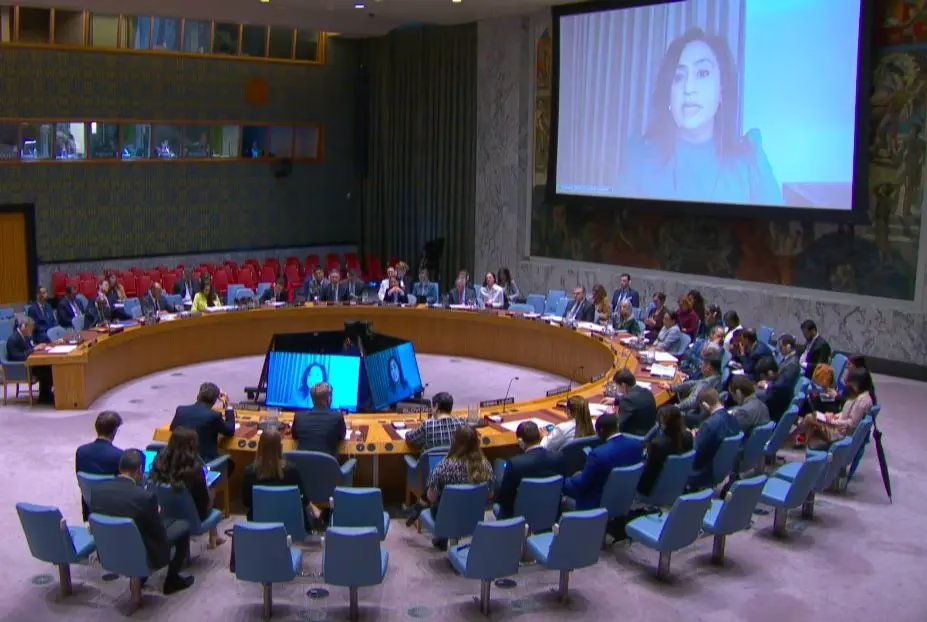
The United Nations remains a crucial actor in attempts to mediate the conflict and address humanitarian needs. Special Envoy Hans Grundberg’s recent insights have underscored the importance of establishing an inclusive political process that encompasses various stakeholders in Yemen. His advocacy for diplomacy highlights the necessity of fostering dialogue among conflicting parties to pursue a long-lasting resolution. The absence of such cooperation has perpetuated a cycle of violence, contributing to a situation where access to basic necessities like food, clean water, and healthcare has become critically constrained.
Several factors contribute to the protracted nature of the conflict. These include deep-seated historical grievances, an array of external influences from regional actors, and the proliferation of armed groups. Economically, Yemen has suffered immensely, with its infrastructure crumbling, leading to widespread poverty and malnutrition. According to the UN, millions are at risk of starvation, and the international community has been called upon to expand its humanitarian assistance. The combination of these challenges underscores the urgency for collaborative political efforts to reinvigorate the peace process in Yemen and provide a sustainable framework to end the suffering of the Yemeni people.
The Dire Humanitarian Situation
The humanitarian crisis in Yemen has reached alarming levels, with millions of individuals in need of immediate assistance. According to the United Nations, approximately 24 million people, which constitutes nearly 80% of the Yemenite population, are desperately relying on some form of humanitarian aid. This staggering statistic underscores the urgent need for collective action to address the dire circumstances faced by the Yemeni populace.
The crisis is particularly severe among children, where rates of hunger and malnutrition are rising exponentially. Reports indicate that nearly 2.2 million children under the age of five are acutely malnourished, a situation that poses significant risks to their health and development. This crisis is compounded by ongoing conflict, which hampers the distribution of vital resources and creates barriers to access for humanitarian organizations.
However, aid organizations are currently confronting numerous challenges, including severe funding shortfalls that limit their capacity to provide essential services. While international relief efforts have made strides in delivering food, healthcare, and education, the financial resources allocated for aid in Yemen remain insufficient to meet the overwhelming demand. The continual needs of the affected communities highlight the gap between the available support and what is actually required to alleviate the ongoing suffering.
Moreover, logistical constraints, such as deteriorating infrastructure and insecurity in various regions, complicate the ability of humanitarian workers to reach those in need. Despite these hurdles, aid organizations are committed to offering life-saving support and services, making it imperative that collaborative political efforts address both the humanitarian needs and the broader conflict. A comprehensive approach is essential in making strides to improve the living conditions of Yemenis while contributing to a sustainable resolution of the crisis.
Yemen’s Government Efforts and Challenges
In the ongoing conflict, Yemen’s government has made notable strides in the realm of military unification and resource management, all aided by external support from various international partners. The government’s primary objective has been to restore order within the state and establish a framework for governance that is effective and far-reaching. The military unification efforts have seen various factions join forces under a centralized command, which is an essential step towards minimizing fragmentation and enhancing operational efficiency. This collaboration is crucial in the fight against Houthi forces, who continue to maintain significant influence across various provinces.
However, the advancements made by Yemen’s government remain fragile due to numerous challenges. The persistent control the Houthis exert over key state institutions undermines the government’s authority. Furthermore, the ongoing humanitarian crisis exacerbates the difficulties faced by the ruling body, as resources are scarce and demand for government services remains high. Securing a stable and functioning government in such an environment poses a complex challenge, as competing interests both domestically and abroad further complicate the landscape.
To counter these challenges, the Yemeni government is exploring various strategies aimed at extending its authority while improving governance. One potential approach is to foster genuine dialogue with local actors to bolster community support and enhance trust in governmental processes. Additionally, efforts to engage international organizations and regional allies could help streamline resource distribution to areas most affected by the conflict. Ultimately, successful implementation of these strategies could provide a pathway towards a more unified and effective governance structure that is vital for Yemen’s future stability.
International Perspectives and the Path Forward
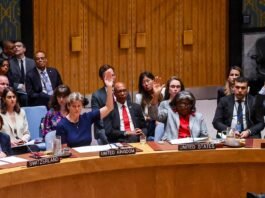
The Yemeni conflict has drawn significant interest from the international community, with varied responses reflecting national interests and concerns surrounding the humanitarian crisis. Nations across the globe have taken distinct stances, reflecting different levels of engagement and concerns regarding governmental stability and the imperative to end hostilities. The United Nations Security Council has maintained a predominant voice, with member nations advocating for a multi-faceted diplomatic approach aimed at ceasefire and subsequent peace negotiations.
In recent discussions, significant emphasis has been placed on the actions of the Houthi movement, with several countries raising alarms about their military actions and mandates that exacerbate the ongoing conflict. The United States has consistently voiced strong support for the internationally recognized Yemeni government, while simultaneously critiquing Houthi attacks that threaten regional stability. This dual approach highlights America’s commitment to both humanitarian efforts and political stability within Yemen, underscoring its strategic interests in the region.
Meanwhile, Saudi Arabia has played a crucial role, as it seeks to curb Iranian influence in Yemen, equating the Houthi insurgency with broader geopolitical tensions. Riyadh’s involvement is often viewed through the lens of its ongoing military campaign, yet it also pursues diplomatic channels, seeking a resolution that restores order and security. On the other hand, China has emerged as a proponent for dialogue, advocating for negotiations while emphasizing its non-interference policy, reflecting an increasing interest in mediating roles on the international stage.
The collective positions of these nations point to a path forward that emphasizes collaborative efforts. By fostering dialogue among all stakeholders—including the Houthi representatives and the Yemeni government—there lies potential for achieving a durable resolution. Steps toward reconciliation must prioritize humanitarian considerations while addressing the political framework necessary for lasting peace. This necessitates a sustained commitment from the international community to actively engage and support the peace process in Yemen.