
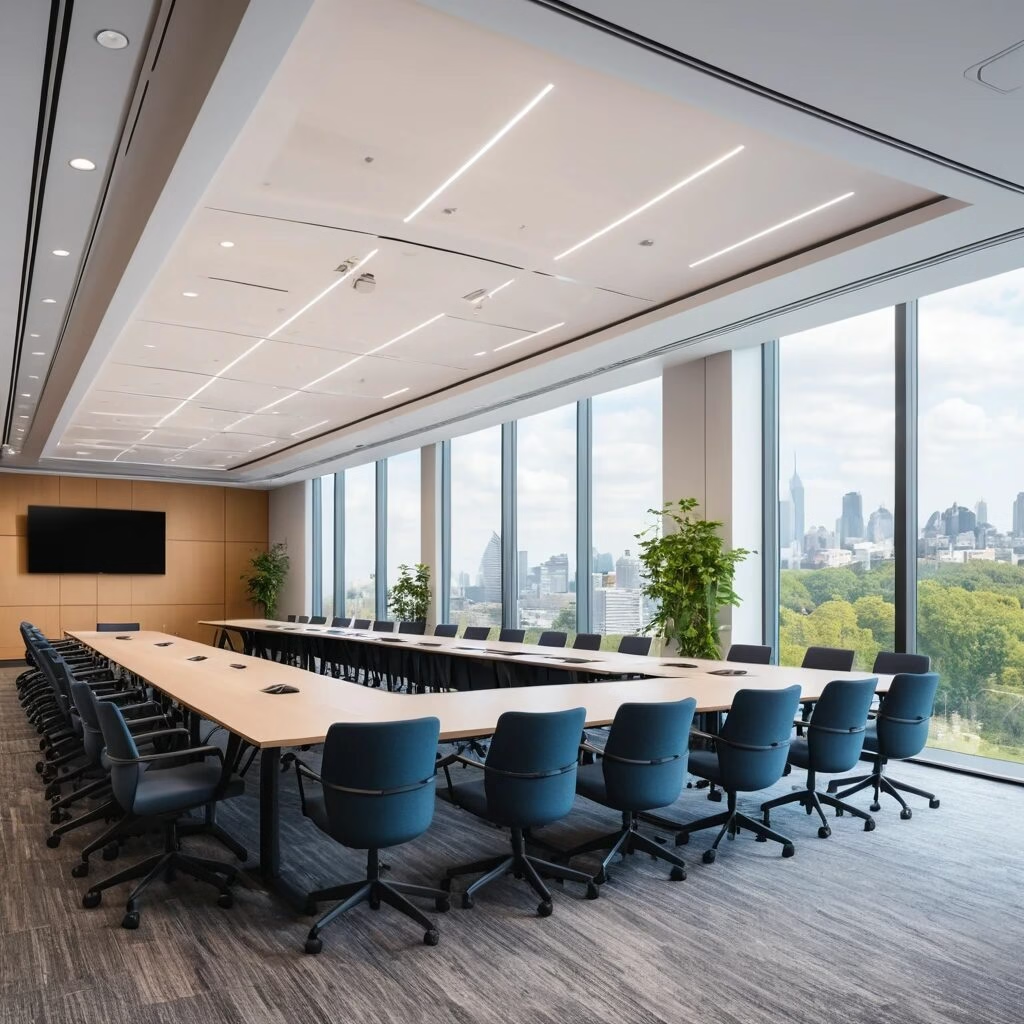
Current Trends in the Meetings and Events Industry
The meetings and events industry is undergoing significant transformations as it adapts to rapidly evolving attendee preferences and technological advancements. Insights gathered from 2025 shed light on several key trends that are shaping the landscape for planners, venues, and destinations alike. One major trend is the increasing demand for hybrid events, where virtual and in-person experiences are seamlessly integrated. According to industry research, over 60% of event planners reported that hybrid formats will become a standard offering, allowing for greater accessibility and engagement from diverse audiences.
Furthermore, sustainability is a pressing concern, with a growing number of event organizers striving for eco-friendly practices. Data indicates that approximately 75% of attendees are more likely to select events that prioritize sustainability initiatives, such as reducing waste and opting for green venues. Notably, case studies from 2025 showcase successful implementations of sustainable practices, such as zero-waste policies and local sourcing, resulting in both positive environmental impact and enhanced attendee satisfaction.
Another noteworthy trend is the rise of personalization in event planning. Attendees increasingly expect bespoke experiences tailored to their individual preferences. Planners are leveraging data analytics to create customized agendas, enhancing engagement through targeted content and interactions. Events that incorporate personalized elements have reported a boost in satisfaction rates, demonstrating the effectiveness of this approach.
The landscape of meetings and events continues to evolve, influenced by technological innovations like virtual reality and artificial intelligence, which are being integrated to enrich participant experiences and streamline logistics. As we approach 2026, it is evident that understanding these trends is crucial for industry stakeholders looking to remain competitive and meet the changing demands of their audiences. The future of meetings and events promises to be dynamic, and proactive adaptations will be essential for success.
Adapting to Attendee Expectations
As the landscape of meetings and events continues to evolve, understanding and adapting to attendee expectations has become increasingly important for event planners and venues. Attendees today seek not only informative content but also memorable experiences that resonate on a personal level. Recent industry reports indicate that the demand for more interactive and engaging elements in events is on the rise, prompting planners to rethink traditional formats.
One significant change is the integration of technology into events, which plays a critical role in meeting the expectations of modern attendees. Tools such as event apps, live polling, and virtual reality experiences have been utilized to enhance engagement and foster connection among participants. These technologies allow attendees to interact with presenters and each other in real time, creating a more dynamic environment. Furthermore, hybrid formats, which combine in-person and virtual participation, have become essential. This approach caters to diverse preferences, making it accessible to those unable to attend physically.
Another aspect that has shifted is the focus on personalization. Event planners are now using data analytics to tailor experiences based on individual attendee preferences. Customization extends to networking opportunities, catering options, and interactive activities, ensuring that each participant feels valued and engaged. According to various industry experts, this level of personalization not only enhances satisfaction but also encourages greater attendance and participation rates.
Additionally, sustainability has emerged as a key expectation among attendees. Many participants now prioritize events that practice eco-conscious methodologies, making it imperative for planners to incorporate sustainable practices into their strategies. This includes sourcing local materials, reducing waste, and creating hybrid options that minimize the carbon footprint. Overall, as event dynamics continue to shift, staying attuned to attendee expectations will be crucial for successful meeting and event planning in the years ahead.
Strategic Insights for Event Planners in 2026
As the events industry prepares for 2026, event planners must consider evolving dynamics shaping their landscape. Insightful strategies become essential for achieving successful outcomes amid changing market conditions. Historic data illuminates emerging trends, indicating a critical shift to hybrid and fully virtual events and a resurgence of in-person gatherings. Planners should prioritize flexibility in their offerings, accommodating varied preferences that groups exhibit in meeting formats.
Moreover, sourcing momentum often hinges on understanding regional market dynamics. Major urban centers like New York, San Francisco, and London are expected to see increased demand. Planners should delve into demographic trends and engagement metrics, ensuring that their offerings are tailored to localities’ needs. This granularity not only helps in effectively forecasting demand but enhances overall client satisfaction.
Networking opportunities are vital for event planners seeking to benchmark performance against peers. Developing relationships within the industry encourages knowledge sharing, allowing planners to leverage insights from others’ successes or challenges faced. Participating in industry conferences or joining associations can offer valuable platforms for collaboration, innovation, and access to exclusive data reports that track industry advancements.
Furthermore, embracing technology will be critical in optimizing event experiences. Innovative event management tools, including real-time analytics and attendee engagement platforms, can be leveraged to provide data-driven insights that enhance overall effectiveness. These technologies can help assess attendee feedback and improve future program design, leading to higher retention rates and repeat business.
Ultimately, as the landscape of meetings and events evolves, planners must remain proactive in adapting their strategies. By understanding market shifts, focusing on technology, and building industry networks, they can position themselves effectively for growth in 2026.
Future Challenges and Opportunities in the Industry
As the meetings and events industry progresses towards 2026, it faces a dynamic landscape filled with both challenges and opportunities. A significant challenge will be the adaptation to shifting market trends. With the rapid evolution of technology and the rise of virtual and hybrid events, planners must adapt their strategies to cater to diverse client needs. Understanding the audience’s preferences will be crucial for success, necessitating a steadfast commitment to innovation and flexibility.
Moreover, budget considerations will pose a persistent challenge. Economic fluctuations and varying client priorities may lead to tighter budgets for many organizations. Event planners will need to be resourceful in optimizing their offerings while maintaining quality. Strategic partnerships, creative sponsorship opportunities, and the use of technology can help streamline budgets without compromising on the attendee experience.
Sustainability will emerge as a vital consideration as well. As environmental awareness increases, stakeholders will expect planners and venues to adopt sustainable practices. This shift will require industry professionals to rethink traditional event planning approaches, focusing on eco-friendly materials, reducing waste, and utilizing green technologies. Embracing sustainable practices not only addresses societal expectations but can also be an attractive selling point for potential clients.
Simultaneously, new opportunities abound for those willing to embrace change. The growing demand for personalized experiences opens avenues for planners to create unique, tailored events. Leveraging data analytics and attendee feedback can enhance the customization process, leading to improved engagement and satisfaction.
Further, technology in event management and delivery continues to evolve rapidly. Planners can harness advancements in virtual and augmented reality to create unforgettable experiences, as well as utilize event management software for streamlined operations.
In conclusion, the landscape for meetings and events in 2026 will undoubtedly challenge traditional practices but will also provide strategic opportunities for innovation and growth. By addressing potential hurdles while leveraging new trends, industry professionals can navigate this transformation successfully.