Overview of the Visit
The visit of Ashwini K.P., the UN Special Rapporteur on contemporary forms of racism, racial discrimination, xenophobia, and related intolerance, to Austria is a pivotal moment in addressing critical socio-political challenges within the nation. Scheduled to take place from [insert dates], this visit marks an essential initiative aimed at engaging with various stakeholders to discuss and assess the state of racism and discrimination in Austria today. In her role, the Special Rapporteur is tasked with analyzing not only direct manifestations of racism but also systemic issues that perpetuate these forms of discrimination within society.
Ashwini K.P. brings a wealth of experience to her role, emphasizing the need for comprehensive strategies to combat racism and xenophobia. Her mission is to foster dialogue between communities, governmental entities, and non-governmental organizations to better understand the experiences of marginalized groups. During her visit, she will conduct meetings with various organizations, local communities, and other key stakeholders to gather insights into the challenges faced by individuals subjected to racial discrimination. This cross-sectional approach enables her to gather a diverse range of perspectives, which is crucial in developing effective recommendations.
The purpose of her visit extends beyond mere observation; it is aimed at identifying potential actions to promote racial equality and inclusivity. Key goals include raising awareness about discrimination issues, understanding the impact of policies on racial minorities, and advocating for the implementation of effective measures to combat persistent discrimination. Ashwini K.P. aims to ensure that voices of affected communities are heard, and to provide the Austrian government with constructive observations that could help shape future policies. This engagement not only highlights Austria’s commitment to addressing these pressing issues, but also aligns with global mandates to combat racism and discrimination.
Assessment of Racial Equality Efforts
The recent visit of the UN Special Rapporteur to Austria was focused on a critical evaluation of the nation’s progress in combating racial discrimination and promoting racial equality. Austria has seen positive developments, yet there remain systemic and structural challenges that hinder complete equality for all ethnic groups. The Special Rapporteur aimed to assess these challenges, identify shortcomings, and suggest pathways for improvement.
Austria has implemented various legislative and policy frameworks aimed at addressing racial discrimination. Key regulations include the Equal Treatment Act and the Anti-Discrimination Act, which provide legal measures to combat unequal treatment on grounds of ethnicity and race. Despite these efforts, the evaluation revealed that the effective enforcement of these laws remains a significant obstacle. Various minority groups continue to encounter barriers, particularly in accessing employment, housing, and education, indicating a gap between policy and practice.
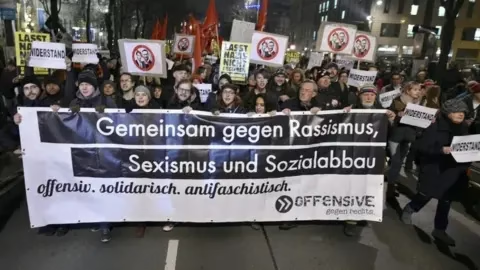
Moreover, the Special Rapporteur’s assessment highlighted significant trends and issues surrounding racial equality. Reports indicate a growing sentiment of xenophobia that has permeated various sectors of society, fueled by economic and political factors. This climate can impede the progress made towards inclusivity and further exacerbate discrimination. The visit also underscored the need for continuous monitoring and effective implementation of existing policies to ensure accountability in addressing instances of racism and discrimination.
In the context of public perception, there is a collective need for greater awareness and understanding of racial equality issues among the populace. Engaging civil society and fostering collaboration between governmental bodies and non-governmental organizations can enhance advocacy efforts. Overall, the assessment conducted during the Special Rapporteur’s visit is critical for charting a comprehensive strategy to overcome challenges to racial equality in Austria.
Engagement with Local Stakeholders
The visit of the UN Special Rapporteur to Austria signifies a crucial step in addressing the pressing issues of racism and discrimination within the country. Central to this engagement are the various interactions and meetings planned with a diverse array of local stakeholders. These crucial discussions aim to illuminate the nuanced experiences of targeted communities and the systemic challenges they face.
The Special Rapporteur intends to collaborate with federal and state authorities, providing a platform to discuss the implementation of existing policies and the potential for reform. Engaging with these governmental bodies is essential for understanding the legislative framework surrounding issues of racism and discrimination in Austria, as well as for identifying gaps that require urgent attention. Moreover, the Rapporteur plans to meet with representatives from racial and ethnic minority groups, enabling a direct dialogue about their lived experiences and the particular challenges they encounter in daily life.
Additionally, the engagement with civil society organizations plays a pivotal role in this visit. These organizations often serve as advocates for marginalized voices, working tirelessly to combat discrimination and promote inclusivity. By incorporating their insights, the Rapporteur can gather vital information on the effectiveness of current initiatives aimed at reducing racism and discrimination. Service providers, including educators and healthcare professionals, will also be included in the discussions to gain a broader understanding of how systemic racism manifests in various sectors of society.
Overall, these planned meetings are instrumental in fostering a comprehensive understanding of the local landscape, allowing the UN Special Rapporteur to appreciate the perspectives of those most deeply affected by racism and discrimination in Austria. This engagement is expected to inform recommendations and strategies that can lead to meaningful change.
Press Briefing and Expected Outcomes
Following the UN Special Rapporteur’s visit to Austria, a press briefing is scheduled to take place, providing a platform for the dissemination of crucial findings and insights obtained during the assessments. This press briefing will occur in the days immediately following the visit, ensuring timely communication with the public and stakeholders interested in the outcome of the engagement. The session aims to foster transparency, a critical element in maintaining public trust, as it will allow media representatives, civil society organizations, and interested parties to inquire about specific issues related to racism and discrimination encountered in Austria.
During this briefing, the Special Rapporteur will outline the primary observations made throughout the visit, highlighting systemic concerns and recommendations for addressing identified gaps in the country’s approach to combating racial issues. This will include an overview of discussions with various stakeholders, such as government officials, NGOs, and marginalized community members. The information presented will serve as a foundation for promoting accountability and catalyzing change at both the policy and grassroots levels.
Moreover, one of the anticipated outcomes from this visit is the submission of a comprehensive report to the UN Human Rights Council in June 2026. This report will encapsulate the findings from the visit and the implications for Austria’s social policies, guiding future actions aimed at dismantling discriminatory practices. The engagement seeks to influence not only national policy but also inspire broader discussions on racism at an international level. The ongoing dialogue encouraged by these findings is essential for the development of effective initiatives that promote equality and justice for all individuals, irrespective of their racial or ethnic backgrounds.