The Era of Fragmentation: A New Global Landscape
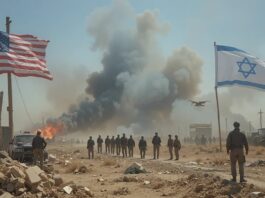
In recent years, the concept of fragmentation has emerged as a significant feature of the global geopolitical and economic landscape. This phenomenon is characterized by the shifting relationships between states, the rise of regionalism, and a proliferation of non-state actors influencing international affairs. Unlike temporary fluctuations in global dynamics, fragmentation appears to be a permanent condition that shapes how nations interact and collaborate—or fail to do so.
Fragmentation can be observed clearly within the Gulf region, where historical rivalries and sectarian divisions have intensified. The traditional alliances that once shaped power dynamics in this area are now increasingly challenged by new, often unpredictable, alignments. This has resulted in a complex web of tensions involving not just local states but also external powers that have vested interests in the region’s geopolitics, particularly in terms of energy resources. The interplay of these elements contributes to an environment where consensus is hard to reach and cooperation frequently breaks down.
Furthermore, the global economy has not escaped the impact of this fragmentation. Trade routes, investment flows, and economic partnerships increasingly reflect these geopolitical realities. As nations become more inward-looking and protective, globalization faces challenges in the form of increased tariffs, sanctions, and trade wars. These economic actions serve as manifestations of the broader geopolitical rifts characterized by fragmentation.
In this complex environment, understanding the implications of fragmentation is crucial. It may lead to a multipolar world where power is decentralized, forcing countries to navigate an intricate landscape of bilateral and regional engagements. This will require a rethinking of traditional diplomatic strategies, as actors must adapt to a world marked by uncertainty and shifting allegiances.
Global Energy Vulnerabilities and Regional Responses
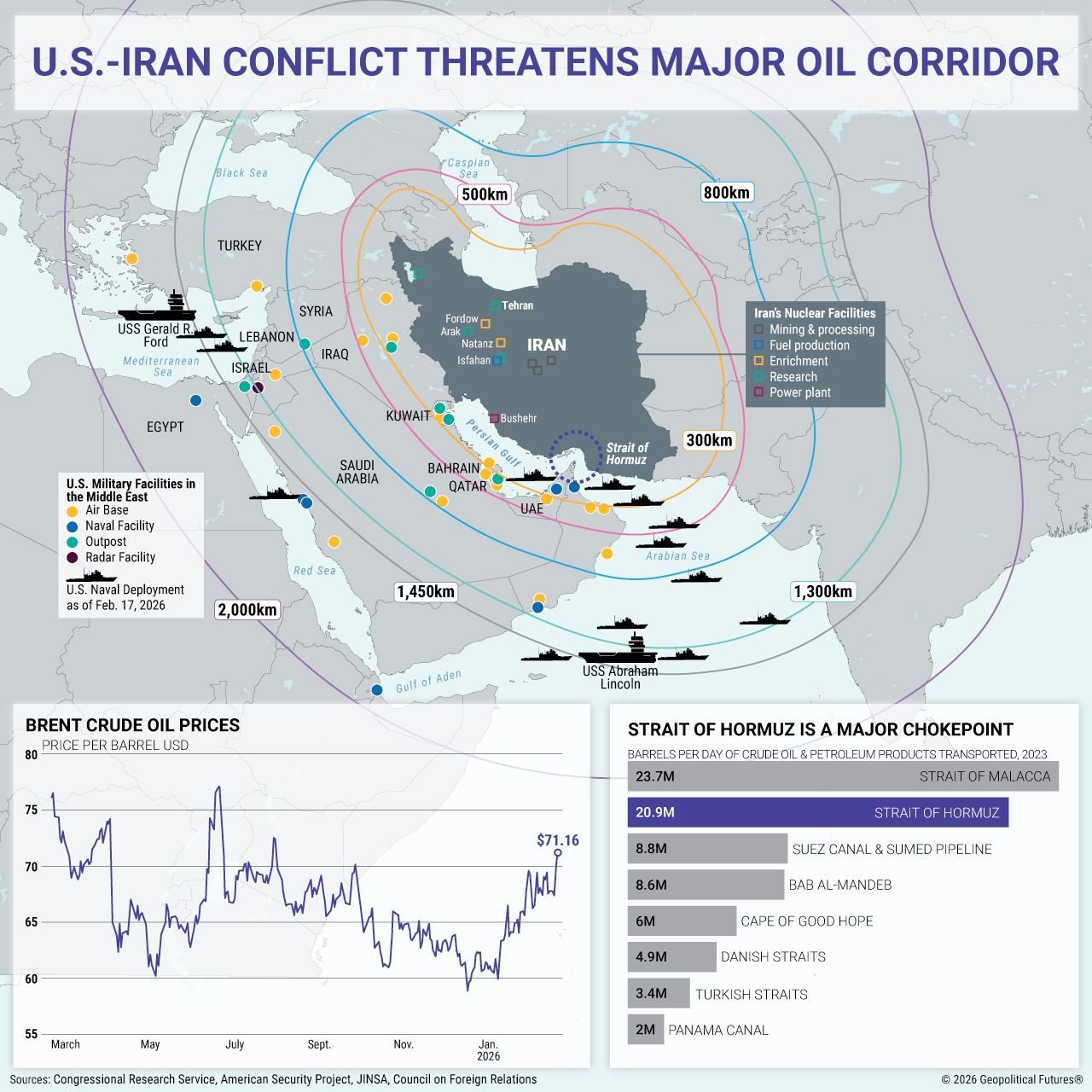
The global energy landscape is intricately connected, and its vulnerabilities are particularly evident in the context of the Strait of Hormuz. This narrow passage is crucial as it facilitates approximately one-fifth of the world’s oil supply, making it a focal point for energy security. Any disruption in this region, whether due to geopolitical tensions, military confrontations, or natural disasters, poses significant risks not only to the nations involved but also to global economic stability.
Recent geopolitical developments have highlighted the susceptibility of the energy supply chain to shocks. For instance, attempts to block or hinder maritime traffic in the Strait of Hormuz can lead to immediate spikes in oil prices and consequently affect global markets. In this regard, countries heavily reliant on oil imports, such as those in Asia and Europe, face the potential for economic destabilization through increased fuel costs and energy insecurity.
Moreover, the repercussions of energy supply disruptions are not limited to direct economic impacts. Nations could also find themselves forced to reevaluate their foreign policies and energy strategies in response to these vulnerabilities. For example, the U.S. has increasingly explored energy independence while forging strategic partnerships with alternative suppliers. Similarly, Europe has pursued diversification strategies to lessen its dependence on Middle Eastern oil.
In Africa, the implications of energy vulnerabilities often play out on a different scale, underscoring the need for regional cooperation to build resilience against energy shocks. Initiatives to enhance intra-African energy trade could alleviate some of the negative impacts stemming from disruptions in global energy supply, reflecting a proactive approach to addressing regional energy demands.
Ultimately, understanding these interconnections is imperative, as regions with distinct vulnerabilities may require tailored responses that can mitigate risks, protect economies, and ensure continued access to energy resources amid evolving geopolitical dynamics.
Economic Scenarios: Potential Futures in the Iran Conflict
The Iran conflict presents three distinct scenarios that could significantly influence the geopolitical landscape and economic conditions in both the region and the world at large. The first scenario involves escalation, where hostilities intensify leading to disruptions in oil supply. Should this occur, global energy prices may rise dramatically, impacting economies reliant on Iranian oil exports, particularly in Asia and Europe. The increased oil prices would raise costs for consumers and businesses alike, dampening economic growth across the globe. The GCC nations, while potentially benefiting in the short term from higher oil prices, would face long-term uncertainties if conflict leads to regional instability.
The second scenario envisions a ceasefire or resolution of tensions between Iran and other global powers. In this situation, stability might return to the region, allowing for the resumption of trade and energy exports. The implications for global markets would be significant, as increased Iranian oil production could help stabilize energy prices. This scenario could also encourage foreign investment in Iran, contributing to economic growth and development, which may expand the potential for new partnerships between Iran and Gulf Cooperation Council (GCC) nations, as well as European countries seeking energy diversification.
The third scenario is characterized by prolonged volatility, where tensions persist without outright conflict or resolution. This environment of uncertainty often leads to fluctuating energy prices and cautious investment strategies, negatively affecting economic growth. In this case, both Asia and Europe may experience economic challenges as they navigate the risks associated with Iranian exports and the potential ripple effects of sanctions and political posturing. U.S. interests may continue to focus on curtailing Iranian influence in the region, which could further exacerbate tensions.
Reflections on Energy Security and Future Trajectories
The Iran conflict has profound implications for energy security, particularly given the country’s substantial position in the global oil markets. As geopolitical tensions persist in this region, various energy-dependent economies face heightened risks including supply disruptions and price volatility. This dynamic has placed an emphasis on the need for policies that strengthen energy security while promoting a transition towards more sustainable energy systems.
In analyzing energy markets, it becomes clear that adaptability is critical. Regions that rely heavily on oil imports from conflict-prone areas like Iran experience distinct vulnerabilities. For instance, European nations, which are significant consumers of oil, may find themselves in precarious situations if stability cannot be established. Conversely, countries actively working on alternative energy sources and diversifying their energy portfolios exhibit a higher degree of resilience. These distinctions among global regions highlight the necessity for a balanced approach to energy security.
Moreover, as nations transition towards low-carbon energy solutions driven by climate change imperatives, it is imperative to recognize that the approach must be multifaceted. Simplistic energy models that disregard geopolitical realities will likely fail. Instead, integrated strategies that encompass both immediate energy security needs and long-term sustainable development goals must be crafted. This includes investing in renewable energy infrastructure, enhancing energy efficiency, and fostering international cooperation.
Ultimately, the future trajectories of energy security are contingent on a careful synthesis of geopolitical insights and sustainable practices. As global economies grapple with these challenges, a comprehensive strategy that considers both fragmentation risks and collaborative pathways can facilitate a more stable energy landscape, fostering resilience against the disruptive forces of conflict in regions like Iran.