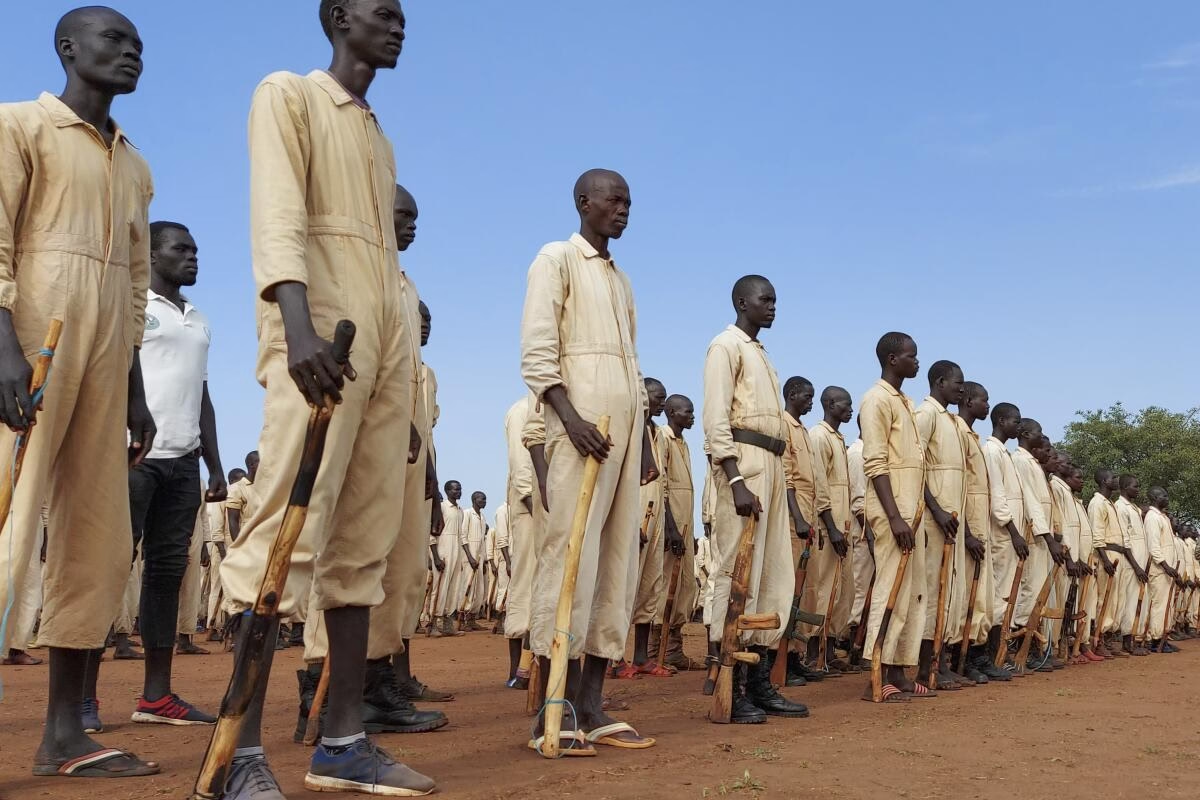
Rising Violence in South Sudan
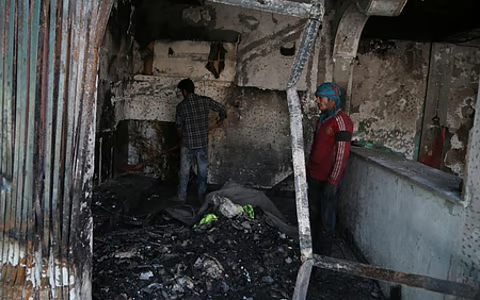
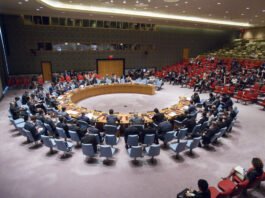
The ongoing conflict in South Sudan has seen a dramatic increase in violence, particularly in the regions of Jonglei and Eastern Equatoria. This deterioration of the security situation is alarming, especially given the country’s fragile state post-independence. Reports from various humanitarian organizations and news agencies have highlighted a sharp uptick in armed clashes, ambushes, and ethnically motivated violence. The United Nations Security Council has directly observed the implications of this escalating violence on the civilian population, which suffers immensely from insecurity and displacement.
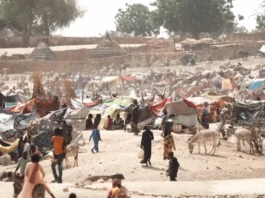
In Jonglei, recent incidents have included inter-communal fighting that has resulted in numerous fatalities and significant property damage. This cycle of violence not only destabilizes the immediate environment but also hinders humanitarian efforts aimed at providing relief to those affected by the conflict. Similarly, in Eastern Equatoria, armed groups continue to engage in hostilities which further exacerbate the plight of the local populace, leading to a deterioration in health services, education, and market access. As these areas become increasingly volatile, the potential for widespread humanitarian crises looms ever larger.
The latest observations from the Security Council indicate a pressing need for an international response to address this turmoil. As outlined by international law, accountability for war crimes and crimes against humanity must be prioritized to ensure justice for the victims. Failure to uphold these legal standards could result in further entrenched cycles of violence and impunity, undermining the prospects for lasting peace in South Sudan. The situation demands immediate attention to foster stability, rebuild trust within communities, and re-establish a framework for dialogue among conflicting parties. The international community is urged to intervene decisively to alleviate the suffering faced by civilians and to hold perpetrators of violence accountable.
Call for De-Escalation and Peaceful Dialogue
The United Nations Security Council has made a decisive call for all parties involved in the ongoing conflict in South Sudan to immediately cease hostilities and engage in constructive dialogue. This appeal underscores the pressing need for all factions to prioritize peaceful conflict resolution in order to address the multifaceted challenges facing the nation. The Security Council emphasizes that a commitment to de-escalation is not merely a political necessity but a fundamental human imperative, essential for the survival and development of communities affected by violence.
Engaging in dialogue presents an opportunity for conflicting parties to explore common ground and work towards comprehensive solutions that acknowledge the grievances of all involved. The potential pathways to negotiations could include facilitated discussions led by neutral entities that promote transparency and trust among factions. This approach is vital, as it seeks to bridge the gaps that have historically fueled tensions in the region.
Furthermore, the importance of dialogue in preserving the existing peace agreement cannot be overstated. A renewed commitment to engagement can assist in reinforcing the framework established by the peace agreement, which is critical for restoring stability in South Sudan. By creating an environment conducive to understanding and cooperation, it is possible to transition from a cycle of violence to sustainable peace.
In this context, the Security Council urges stakeholders to adopt an inclusive approach, ensuring that all voices, particularly those of marginalized groups and civil society, are heard and valued. Such measures are integral to fostering a sense of belonging and commitment among communities, transforming a culture of conflict into one of collaboration and mutual respect.
Support for UNMISS and Humanitarian Access
The ongoing conflict in South Sudan has drawn significant international attention, especially concerning the role of the United Nations Mission in South Sudan (UNMISS). Established to protect civilians and support the peace process, UNMISS operates under a challenging political landscape, necessitating robust support for its initiatives. The mission’s objectives, which include facilitating humanitarian access, are paramount as they intersect with the lives of countless South Sudanese civilians caught in conflict.
Successful cooperation between UNMISS and the South Sudanese government is critical in ensuring that humanitarian aid reaches those in need. However, there have been increasing demands from certain factions within the government to close UNMISS bases located in strategic regions. These bases play an essential role in providing a secure environment for humanitarian operations. Closing them could lead to intensified insecurity, thereby threatening the ability of humanitarian organizations to deliver lifesaving assistance to vulnerable populations. The implications of such actions extend beyond immediate logistical challenges to encompass broader issues related to human rights and civilian protection.
Moreover, the completion of UNMISS’s contingency plans is vital. These plans are designed to respond effectively to emerging crises, ensuring that the mission can adapt to the evolving security landscape while continuing to protect civilians. Increased urgency in the implementation of these plans is essential to mitigate risks associated with potential escalations in violence and displacement. The continued support for UNMISS must remain a priority for the international community, as its efforts are crucial for safeguarding humanitarian access and ensuring the safety of civilians in South Sudan. The successful execution of its mandate will ultimately depend on the sustained collaboration of all stakeholders involved, particularly the South Sudanese government and the international oversight bodies.
Commitment to Lasting Peace and Inclusivity in Governance
The ongoing conflict in South Sudan has drawn significant attention from the international community, particularly the UN Security Council, which reaffirms its commitment to supporting peace and stability in the nation. In light of these developments, it is crucial for the South Sudanese government to engage in inclusive and meaningful inter-party discussions regarding the peace agreement. This approach is vital not only for ending the immediate humanitarian crisis but also for fostering a durable framework for governance that respects the sovereignty and aspirations of the South Sudanese populace.
The Security Council’s endorsement of efforts led by regional organizations, such as the African Union and IGAD, highlights the importance of collaboration in achieving political solutions. These entities have shown dedication to peacebuilding and facilitating dialogue, which are necessary to lay the groundwork for national unity. The role of international partners cannot be understated; their involvement must complement the local stakeholders’ efforts, ensuring that the process is genuinely representative and participatory.
Furthermore, the political landscape in South Sudan necessitates an examination of the existing power dynamics, which have often impeded progress towards peace. By fostering an inclusive governance structure that encourages dialogue among diverse political factions and civil society, the potential for sustainable peace increases significantly. Genuine engagement not only addresses grievances but also cultivates a sense of shared ownership over the future of the country.
Finally, it is imperative for the South Sudanese leadership to embrace a comprehensive and inclusive approach to governance as the country moves towards recovery. This commitment to dialogue and collaboration among factions can lay the foundation for a more cohesive South Sudan, capable of overcoming its past conflicts and fostering a brighter future for all its citizens.