The Current State of Myanmar
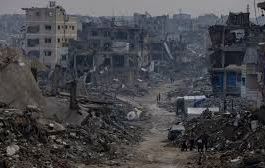
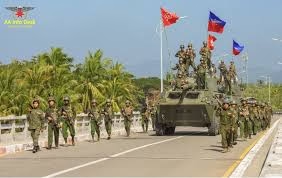
Five years have elapsed since the military coup in Myanmar, and the ramifications of this power shift continue to reverberate throughout the nation. The takeover, which occurred on February 1, 2021, was a significant turning point, as it dismantled a decade-long experiment in democratic governance. Leading up to this event, the country had gradually opened up after decades of military rule, fostering hope for political reform and economic advancement. However, the military’s return to power has exacted a heavy toll, plunging Myanmar into a deepening crisis marked by violence, repression, and humanitarian challenges.
In the immediate aftermath of the coup, widespread protests erupted across the country, spearheaded by citizens, civil society organizations, and various ethnic groups demanding a return to democracy. The military’s response was swift and brutal, resulting in thousands of civilian deaths and numerous arrests. The consequences of these actions continue to impact daily life, with many citizens living in fear of retribution. Critical areas such as freedom of expression, association, and assembly have all been severely curtailed as the military seeks to consolidate its power.
Today, the struggles faced by the people of Myanmar are multifaceted. Economic instability persists, exacerbated by international sanctions and the COVID-19 pandemic, causing widespread poverty and displacement. Access to essential services such as healthcare and education has drastically declined, particularly in conflict-affected regions. Moreover, various ethnic armed groups have resumed fighting against the military, further entrenching a cycle of violence that threatens to destabilize the entire region. The international community has been hesitant to intervene effectively, often limiting its responses to denunciations and sanctions, yet the dire situation necessitates urgent attention.
Humanitarian Crisis: Worsening Conditions and Human Rights Violations
The humanitarian crisis in Myanmar has dramatically escalated since the military takeover five years ago, leading to severe implications for human rights and civilian safety. The military regime’s actions have resulted in widespread arbitrary detentions, with thousands of political prisoners currently incarcerated under harsh conditions. Reports indicate reports of torture, inhumane treatment, and a generalized climate of fear, stifling any form of dissent.
Furthermore, violence against civilians has reached alarming proportions. Armed confrontations between the military and various resistance groups have resulted in civilian casualties and injuries, exacerbating the already dire humanitarian situation. Such violence is not limited to armed conflict zones; numerous reports document acts of indiscriminate violence perpetrated against unarmed civilians, amplifying a pervasive sense of insecurity.
The economic instability in Myanmar adds to the humanitarian crisis, leading to a heightened level of food insecurity among the population. According to the World Food Programme, nearly 14 million people face hunger, with a significant portion experiencing severe acute food insecurity. This condition is compounded by rising inflation and supply chain disruptions, further jeopardizing access to affordable food and basic necessities.
Displacement is another critical factor illustrating the extent of human suffering in Myanmar. The United Nations estimates that over 1.5 million people have been forcibly displaced since the coup, forced to flee their homes due to ongoing violence and intimidation. These individuals often live in precarious conditions, lacking access to essential services such as healthcare, clean water, and sanitation, resulting in a deteriorating health crisis within displaced populations.
As the situation continues to unfold, it remains imperative to recognize the growing humanitarian needs and to advocate for the protection of human rights in Myanmar. The combination of arbitrary detentions, violence against civilians, economic instability, and displacement underscores the urgency of addressing this multifaceted humanitarian crisis.
Call for Action: Urging Restraint and Inclusive Dialogue
In the wake of the turmoil initiated by the military takeover in Myanmar, stakeholders worldwide, including the United Nations Secretary-General, have emphasized the urgent need for actions aimed at stabilizing the situation. The call for restraint by the international community highlights a critical imperative: the cessation of violence. It is essential for all parties involved to prioritize peace, safeguarding the lives and rights of civilians who continue to bear the brunt of the conflict.
To cultivate a conducive atmosphere for dialogue, various segments of society must be engaged in the peace process. Particularly, the inclusion of women, youth, and ethnic minorities is vital for achieving not only a sustainable resolution but also equitable democratic governance. Their perspectives and experiences are invaluable in crafting solutions that are representative of Myanmar’s diverse population. It is increasingly recognized that any path toward lasting peace must embrace this inclusivity to effectively address the underlying grievances that have contributed to the protracted crisis.
The international community’s support for such an inclusive dialogue process is paramount. This support can take various forms, from diplomatic engagement to facilitating platforms where all voices can be expressed. Encouragingly, global actors are beginning to realize that solutions imposed externally without the involvement of local stakeholders tend to result in limited success. Therefore, a collaborative approach that genuinely integrates the input of various communities is essential in order to pave the way toward a more just and peaceful Myanmar.
Moreover, nations and organizations must continue advocating for accountability regarding human rights violations committed during this tumultuous period. As the call for action reverberates throughout the international sphere, it is clear that coordinated efforts are necessary to redirect the course of the conflict towards a more hopeful future.
Toward a Viable Future: Regional and International Responses
The political crisis in Myanmar following the military takeover in February 2021 has evoked varied responses from both regional actors and the international community. The Association of Southeast Asian Nations (ASEAN) has played a pivotal role in seeking a resolution to the crisis. Despite initial challenges in addressing the gravity of the situation, ASEAN has taken steps toward facilitating dialogue among the conflicting parties and promoting a peaceful resolution. In particular, the 0-point consensus established in April 2021 sought to end violence, provide humanitarian assistance, and promote dialogue between the military and opposition groups. However, the effectiveness of ASEAN’s initiatives has been hampered by the lack of cooperation from the Myanmar military and a fragmented opposition movement.
Simultaneously, the international community, led by the United Nations (UN), continues to advocate for a peaceful restoration of democracy in Myanmar. The UN’s special envoy for Myanmar has been actively engaged in diplomatic efforts to address the humanitarian and political crises resulting from the takeover. The envoy has emphasized the need for accountability regarding the ongoing human rights violations and urged member states to impose targeted sanctions against individuals associated with the military’s actions.
Despite these ongoing efforts, the situation remains precarious, with reports of escalating violence and human rights abuses continuing to emerge. A viable path forward is contingent upon sustained engagement and regional unity. Continued dialogue amongst ASEAN member states is essential to foster a consensus that promotes stability and peace. Furthermore, any potential resolution must prioritize the agency of the Myanmar people, ensuring that they are central to the peace process. By maintaining pressure on the military and supporting grassroots movements for democracy, both regional and international actors can help chart a course towards a more stable future for Myanmar.